Teaching least common multiple methods can feel like you’re juggling three balls at once. This is especially true when you’re trying to help your students understand which strategy to use and when. If you’ve ever wondered how to walk through LCM with your students clearly, or if you just want a fresh approach, this post is for you. I’m sharing two short videos that walk you through the core concepts behind the least common multiple methods. I also show how to apply them to real-world word problems. Whether you’re brand-new to teaching LCM or just looking to sharpen your explanations, you’ll walk away feeling more prepared, and your students will too.
Watch These Least Common Multiple Methods Videos
If you’re teaching least common multiple methods and want your students to really get it, these two quick videos walk through everything you need. The first one breaks down three different ways to find the least common multiple. We go over how to list multiples, use prime factorization, and the ladder method. I explain how each one works and show you where your students typically get stuck. Then, I help you think through which method might click the best depending on the problem at hand.
The second video zooms in on a real-world LCM word problem. You’ll see how I model problem-solving by drawing visuals, listing out steps, and using different methods to get the same answer. It’s the kind of flexible thinking we want to build in our students. It’s a great refresher if you’re prepping to teach this skill or want a new way to explain it. Both videos give you practical examples, teaching tips, and clarity. This way, you can walk into your next LCM lesson with confidence.
Extra Tip: Let Students Choose Their Method
Here’s a tip I’ve learned from teaching least common multiple methods over the years. After modeling all three, encourage your students to try each one a few times, then reflect on which method feels most natural to them. When your students take ownership of their problem-solving strategies, they’re more likely to stay engaged and get the answer right!

Also, revisiting LCM is a must when working with fractions. This concept pops up again and again, especially when adding or comparing fractions with unlike denominators. Having that solid foundation early on makes everything easier later in the year.
Resources to Reinforce Least Common Multiple Methods
Once you’ve taught the different methods, it’s time for your students to get some hands-on practice. That’s where your resource choices really matter. In my TPT store, you’ll find engaging LCM activities that provide excellent notes and practice.
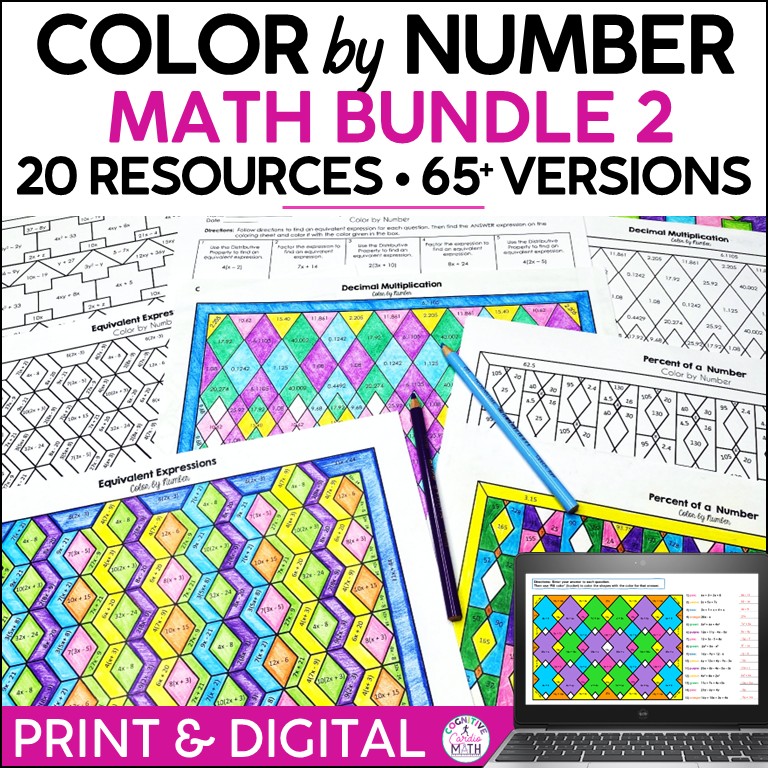
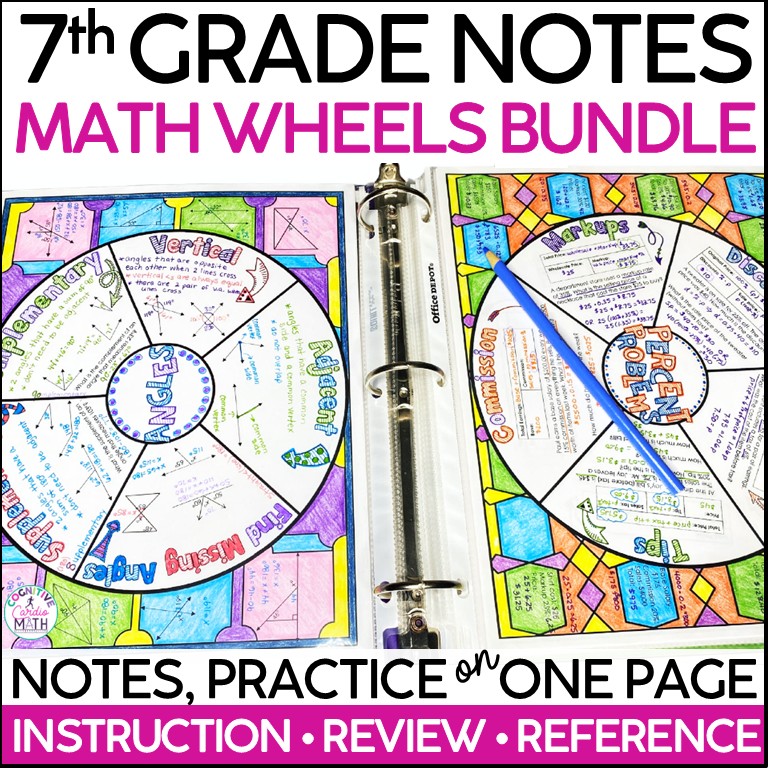
There’s a math doodle wheel that helps your students visualize and organize their steps, a color-by-number activity that makes practice more engaging, and a set of doodle notes on the ladder method. These are great for classwork, stations, early finisher bins, or even small group instruction.
Save for Later
Want to come back to this post when you’re prepping your LCM lessons? Be sure to pin this so you’ll have all your least common multiple methods and strategies in one place when you need them!