You know that moment when one student quietly raises their hand and whispers, “I’m done,” while half your class is still deep in testing? You nod, collect their test, or have them log off. Immediately, you feel that small wave of panic because now you have to keep that student engaged without disrupting everyone else. Then another student finishes and another. Before you know it, you have a handful of early finishers looking to you for direction while the rest of your class still needs a calm, focused environment. That is exactly why having a plan for after testing activities is so important. When you have a few go-to options ready, you can keep your early finishers engaged, quiet, and productive without adding any extra stress to your day.
Why After Testing Activities Matter for Early Finishers

When your students finish testing at different times, the classroom dynamic can shift quickly. Without a plan, early finishers may start talking, fidgeting, or looking for ways to entertain themselves. This can all easily distract your other students who are still working. I always found that this was one of the trickiest parts of testing days because you are trying to manage two completely different needs at the same time. Having structured after testing activities in place helps you stay in control of the room while still supporting every student.
This is also a moment where independence really matters. You need activities that your students can start immediately without asking a lot of questions or needing constant support. If an activity requires multiple directions, materials, or clarification, it can quickly turn into interruptions while you are trying to monitor testing. The goal is to have options that feel familiar, predictable, and easy to manage so your students can transition smoothly from testing to their next task.
If you are planning ahead, it helps to introduce these types of activities before testing begins. Take a few minutes on a regular day to show your students what these options look like and how they should be completed. That way, when testing day comes, there is no confusion. Your students will already know the expectations, which allows everything to run more smoothly when you need it most.
Prepare Ahead of Time
During testing days, the last thing you want is to scramble for materials or explain directions while half your class is still working. This is why preparing your after testing activities ahead of time makes such a big difference. When everything is ready to go, you can stay focused on monitoring testing instead of managing constant interruptions.

One of the easiest ways to stay organized is to create a simple testing day bin or folder. Inside, include a variety of quiet, independent options for your students to choose from after testing. Having all of your after testing activities in one place allows you to quickly direct students without stopping to gather materials or answer questions.
For this to run smoothly, your students need to know exactly what to do before testing even begins. Take a few minutes ahead of time to explain the process step by step. Show them where materials are located, what their options are, and what they should do when they finish. A simple routine like “turn in your test, go to the bin, and begin working quietly” removes confusion. It prevents your students from raising their hands while others are still testing.
It also helps to prepare more than you think you will need. Some of your students will move quickly from one activity to the next. Having additional options ready keeps them engaged without downtime. You may also want to organize activities by type or difficulty. This way, your students can choose something that fits their needs without needing your guidance.
Activities You Can Use Immediately
Sometimes you just need after testing activities that require absolutely nothing extra. No copies, no prep, no explaining directions while your other students are still working. The typical silent reading or head on your desk are always available. But often, we want a more intentional use of the time our students are in class with us. These are the moments when having a few simple, reliable options can make your life so much easier. I always made sure to have a short list of go-to activities that my students could start independently the second they finished their test.
1. Quiet Coloring Activities That Keep Early Finishers Focused

Coloring activities are one of the easiest after testing activities to implement because they are naturally quiet, require no explanation, and help your students transition out of testing mode without disrupting others. When your students finish at different times, having something calm and structured like this prevents wandering, talking, or unnecessary interruptions.
My coloring pages include a variety of unique designs, which helps keep your students engaged longer instead of rushing through one page and asking what to do next. Since your students can choose a design that interests them, they are more likely to stay focused and work quietly. This makes it an easy, reliable option when you need something that works immediately.
2. Color by Number Activities for Meaningful Math Review

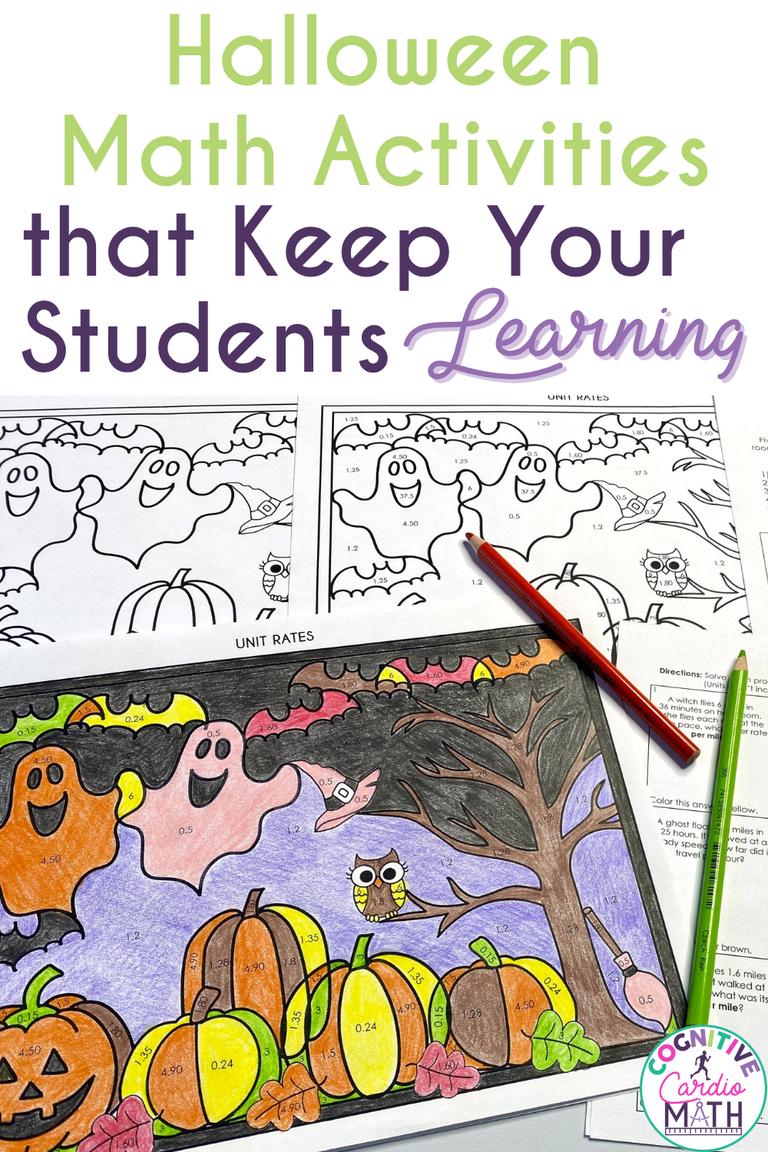
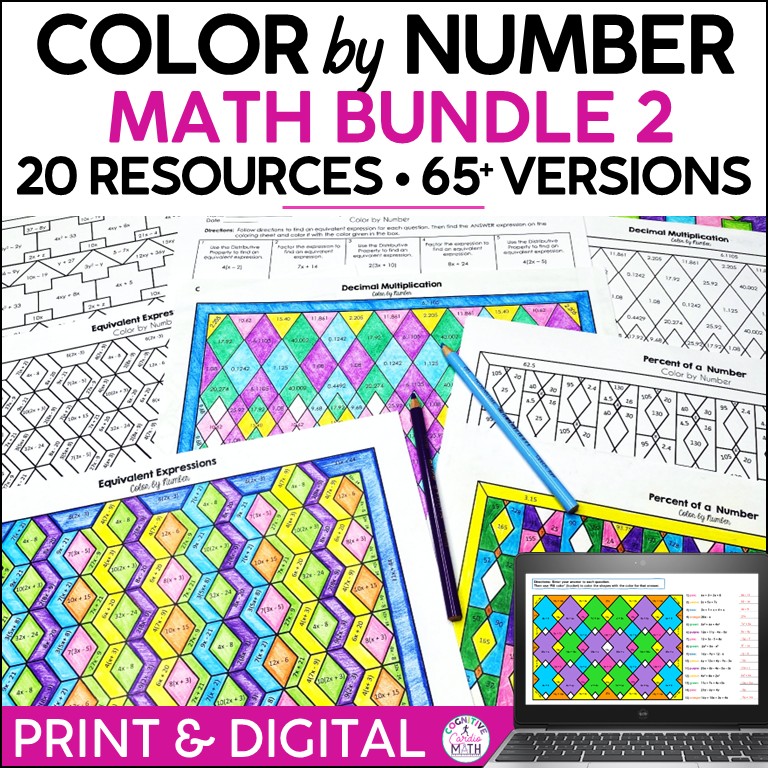
Color by number activities are effective because they are engaging without feeling like they are continuing to test. Instead of completing a traditional worksheet, your students solve problems and use their answers to color a design. This is a great way to use the time after a test to review or practice key skills.
I recommend having a few different color by number pages ready that review previously taught skills. When your students finish testing, they can take a page and begin working immediately without needing directions. The format is consistent across skills, so your students will know the routine. If you want to build this into your routine long term, having a collection of color by number activities across different math topics is incredibly helpful. You can rotate through skills like fractions, decimals, order of operations, and more, depending on what your students need to review.
3. Math Journaling That Supports Math Thinking
Math journaling is often overlooked for after testing activities, but can be impactful when done intentionally. Instead of giving your students more problems to solve, you are asking them to think about math by analyzing. This keeps them engaged while respecting the other classmates taking their tests.

A simple way to use math journaling is by having your students analyze mistakes in solved problems. I like to call this activity Prove It! You provide a completed problem with or without an error. Then, ask your students to prove whether the problem was solved correctly or incorrectly. They will need to explain what went wrong and how to fix it. This works well because your students are going further than just solving the problem. They have to think critically about the process to find the correct answer.
You can write your own math problems, or take them from student answers in previous assignments. There’s something about the challenge to prove it right or wrong that makes this activity feel very different from solving a problem. Students love it and their self-confidence soars when they find and explain errors.
4. Sudoku to Practice Independent Problem Solving
Sudoku is a strong option for after testing activities. It keeps your students thinking and stretching their problem-solving abilities. This is an activity that, when your students understand the structure, they can work through puzzles without needing to talk, ask questions, or rely on you for help. This makes it a perfect fit for those staggered finish times among your students.

If you plan to use Sudoku, it is important to introduce it before testing days so your students are familiar with how it works. Start with simple puzzles and model how to use the numbers 1 through 9 without repeating them in a row, column, or box. Giving your students a few chances to practice ahead of time builds confidence so they can work independently later.
To make this successful during testing, it helps to provide mastery examples and guiding directions along with the puzzles. This might include a completed example, a partially filled-in puzzle, or a short reminder of the rules at the top of the page. Having these supports available prevents your students from raising their hands or coming to you for help while others are still testing. It gives them something to reference so they can keep working through challenges on their own.
You can easily find Sudoku puzzles in a few different places. Many dollar stores or similar stores carry inexpensive puzzle books that you can keep in your classroom for repeated use. You can also print puzzles from online generators like Sudokuweb.org, which allows you to choose different difficulty levels depending on your students’ needs. Having a mix of levels available helps you differentiate for different familiarity levels of this kind of puzzle.
5. Logic Puzzles That Build Critical Thinking Skills
Logic puzzles are one of the most engaging after testing activities because they challenge your students to think deeply. Unlike traditional math problems, these puzzles require students to use clues, eliminate options, and make connections to figure out a final answer.

In logic puzzles like the ones shown in my holiday resource, your students are given a set of clues and must determine how different pieces of information match together. Your students work through a scenario where they match people with activities, drinks, and items using clues, while tracking their thinking in a grid. They mark correct matches and eliminate incorrect options as they go.
Even though this example uses a holiday theme, logic puzzles can be used year-round with a wide variety of topics. You can find puzzles that focus on numbers, patterns, real-world scenarios, or purely logical reasoning. The key is that your students are actively thinking through a problem step by step, which keeps them engaged.
Just like with Sudoku, it is important to introduce logic puzzles ahead of time and model how to use the grid. You need to show your students how to mark matches and eliminate choices so they understand the process. When you practice beforehand, give them tips on how to read through each of the clues and how to choose which one to start with. It’s not always the first clue!
Check Out More After Testing Activities for Your Classroom

If you are looking to build a collection of after testing activities that you can rely on throughout the year, I highly recommend checking out my full collection of resources. You will find coloring pages, color by number activities, and task card review activities. These are perfect for testing days, early finishers, and those moments when you need something ready to go.
Having a variety of activities on hand makes it so much easier to manage your classroom during testing. Instead of reacting in the moment, you will already have a plan in place that keeps your students engaged and your classroom running smoothly.
Finalizing Your After Testing Activities Plan
Testing days can feel unpredictable, especially when your students finish at different times. The key is having a set of after testing activities that are quiet, independent, and easy to implement. When you plan ahead and give your students clear expectations, those tricky in-between moments become much more manageable. With the right activities in place, you can keep your early finishers engaged without disrupting the rest of your class. It creates a calm, structured environment where every student knows what to do next.
Save for Later
Make sure to save this post to your favorite teaching Pinterest board, so you have a list of activities to try after testing, ready to go when testing season arrives. Having these ideas in your back pocket will make those early finisher moments so much easier to manage.