Managing a middle school classroom can feel like a whirlwind, especially when your class periods are only 40 minutes long. There’s barely time to teach, much less handle transitions, questions, early finishers, and classroom routines. The good news is that with just a few simple strategies, you can create a smooth, efficient, and engaging classroom environment that works with your tight schedule, not against it. Whether you’re setting up routines for the first time, refreshing your systems for a new school year, or tweaking things mid-year, these tips will make middle school classroom management feel a whole lot easier.
Build Routines That Stick in Your Middle School Classroom Management

Strong routines are the backbone of effective middle school classroom management. They take the guesswork out of everyday tasks, helping your students know exactly what’s expected of them from the moment they walk through the door. When routines are clear and practiced regularly, they reduce behavior issues, save time, and allow you to focus more on instruction and less on reminders.
Start with the basics that include arrival routines, how your students turn in work, transitions, partner and group expectations, and how class ends. Even something as small as sharpening pencils or asking to use the restroom should have a predictable system. Take time to model each routine early in the year and revisit them as needed, especially after breaks or when things start to slide.
The real magic of middle school classroom management comes when routines are so ingrained that the class practically runs itself. Your students feel more confident when they understand the structure. You’ll notice fewer interruptions and less chaos during lessons. Routines create space for learning to thrive and give you peace of mind during even the busiest class periods.
Set and Reinforce Expectations Consistently
Clear expectations are the secret of successful middle school classroom management. Middle schoolers thrive when they know the boundaries and feel like those boundaries are fair and consistently upheld. When you’re proactive about setting expectations and take the time to explain the “why” behind them, your students are more likely to meet them.

During the first week of school and throughout the year, it’s helpful to co-create classroom expectations with your students. This builds buy-in and ownership. Talk through what respectful, responsible behavior looks like in different situations: working independently, participating in a group, or using technology. Write it down, post it in the room, and refer to it often.
Reinforcement is where middle school classroom management really shows its strength. Praise your students when they meet expectations and gently redirect when they don’t. Use consistent language so your students recognize patterns and understand the behavior you’re encouraging. Over time, your classroom culture will reflect the expectations you’ve set. It becomes easier to maintain a respectful and productive learning space because of this consistency.
Maximize Every Minute With Smooth Transitions
One of the easiest ways to lose instructional time is during transitions. Even just two or three extra minutes between activities each day adds up fast over the course of a week. In fact, over a month with 20 instructional days, 2 minutes a day equals an entire class period! That’s why setting clear expectations for transitions is essential to effective middle school classroom management. Whether you’re moving from a warm-up to group work or rotating through math stations, having a plan in place saves time and keeps the flow of learning uninterrupted.

Start by practicing transitions just like you would practice a procedure. Show your students what it looks like, model it, and rehearse it together. Use simple, repeatable signals like a bell, hand clap, or short call-and-response to let them know it’s time to shift gears. The more consistent you are, the more automatic transitions become and the fewer reminders you’ll need.
You can also assign specific roles to your students during transitions to help keep things on track. Maybe one student resets the board while another passes out materials. When everyone knows their job, there’s less confusion and more momentum. That steady rhythm keeps your students focused and frees you up to jump into instruction without delay.
Make Material Distribution Practically Automatic
Passing out and collecting materials can either be a breeze or a time-consuming hassle, depending on how you structure it. With solid middle school classroom management routines in place, distributing materials can happen quickly and quietly. Start by organizing your materials so they’re easy to access, label everything clearly, and set up a system that your students can follow without help.

Consider setting up stations or table baskets with everything your students need for the day’s activities. You can also assign classroom jobs, like “supply manager,” to help distribute and collect items efficiently. These roles give your students a sense of responsibility and make transitions smoother without you needing to do it all. You’ll be amazed at how much time this saves in a short class period.
Most importantly, teach the procedure and stick with it. Go over how materials should be passed out, handled, and returned. Practice it just like any other part of your classroom routine. When your students know exactly what to expect, you avoid that awkward shuffle time, and your momentum can stay strong throughout the whole lesson.
Plan for Early Finishers Without Losing Focus
You’ll always have students who will finish way before others. When this happens, things can get off track fast. That’s why planning for early finishers is a smart move when it comes to middle school classroom management. If you don’t have a plan, your students may wander, chat, or even disrupt others who are still working. With a little structure in place, those extra minutes become an opportunity for meaningful extension.

One of the easiest ways to manage early finishers is by offering a menu of ongoing activities. These include task cards, math puzzles, independent reading, digital review games, and logic challenges, reinforcing key concepts. Keep them in a designated area or posted on the board so your students know exactly what’s available. The key is giving them choices that are engaging but still aligned with your instructional goals.
It’s also important to explain the “why” behind early finisher tasks. When your students understand that these activities aren’t just busy work but a way to challenge themselves, they’ll take them more seriously. Plus, having an early finisher plan takes the pressure off you to constantly redirect or reassign students. You can focus on helping those who need more support while the rest stay on task.
Reclaim Lost Time Without Rushing
In any classroom, time can slip away. Announcements, tech issues, late starts, or behavior redirection can all chip into your lesson. Reclaiming that time without rushing is key to any successful middle school classroom management system. Instead of cramming everything in, look for ways to build flexibility and flow back into your day.

Start strong by using arrival routines that are automatic and efficient. Bell ringers, daily warm-ups, or short review problems give your students something to do the moment they walk in. This helps settle the room and signals that learning starts right away. Use quick exit tickets to wrap things up at the end of class. They can double as informal assessment and reflection.
You can also build small “reset” moments into your routine. If a class starts feeling off or time gets hijacked by an unexpected disruption, a one-minute brain break, stretch, or quick check-in can get everyone back on track. Instead of trying to rush through content, these little strategies help you slow down just enough to make the rest of the period more productive.
Use Positive Reinforcement In Your Classroom Management
Positive reinforcement is a powerful tool in middle school classroom management. Instead of only focusing on what your students shouldn’t do, it shifts attention to what they’re doing right. Recognizing and celebrating those positive choices helps build a culture of encouragement, motivation, and accountability.

You don’t need to hand out rewards constantly for this to work. Verbal praise, positive notes, class shout-outs, and point systems are all effective ways to reinforce good behavior. The key is to be specific. Point out exactly what your student did well, whether it was helping a classmate, staying focused during a tough task, or transitioning quickly without reminders.
Over time, your students start to seek that positive feedback more than negative attention. When they know their good behavior is being noticed, they’re more likely to repeat it. Building a classroom climate where effort and respect are valued makes middle school classroom management feel more supportive than strict.
What to Do When Things Go Off Track
Even with strong routines and clear expectations, there will be days when things just don’t go as planned. That’s normal, and having a plan for those moments is a huge part of successful middle school classroom management. Instead of reacting with frustration, you can respond calmly and confidently to help the class get back on track.

The first step is to stay consistent. If a student breaks a rule, follow through with whatever consequence or redirection you’ve already established. Avoid getting into power struggles or making threats you can’t enforce. Keep your tone neutral, your response quick, and your focus on restoring order so learning can continue.
Sometimes, the entire class may need a reset. Use that opportunity to pause, reflect, and reteach expectations if necessary. You can say something like, “Let’s rewind and try that transition again the way we practiced.” These moments aren’t failures. They’re teaching opportunities. When handled with clarity and calm, they actually strengthen your classroom culture over time.
Ready to Strengthen Your Middle School Classroom Management?
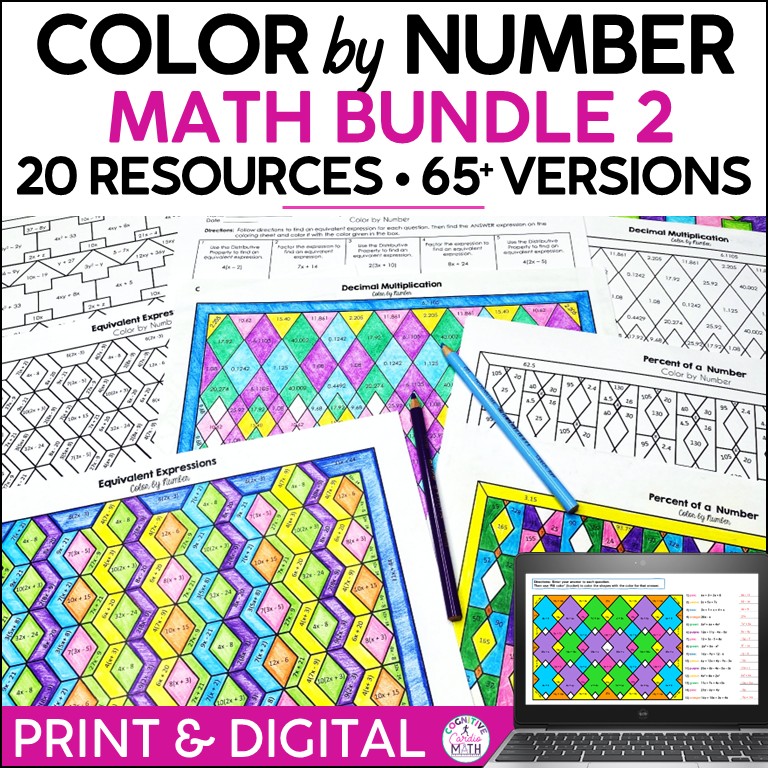
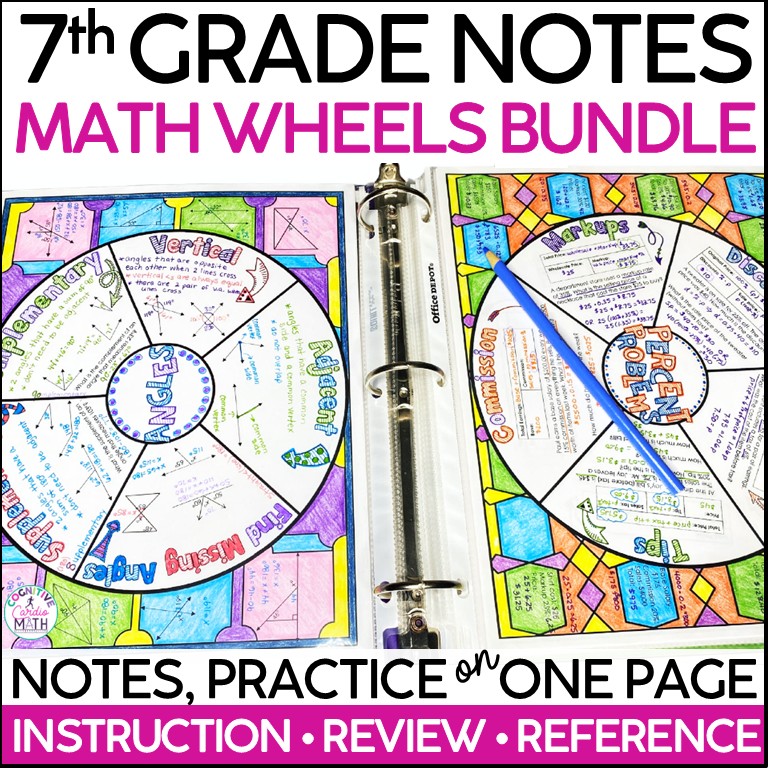
Now that you’ve got a solid plan for middle school classroom management, it’s time to put it into action. Head over to my TPT store to grab helpful resources that will support you in setting up strong math routines from day one. Whether you’re looking to streamline transitions, structure your math centers, or make the most of every one of those 40 minutes, you’ll find tools designed to help you build a classroom that runs smoothly and supports real learning.
With the right resources and systems in place, middle school classroom management becomes less about “putting out fires” and more about fostering confidence, structure, and success for both you and your students.
Confident Middle School Classroom Management Starts With You

Middle school classroom management doesn’t have to be complicated or overwhelming. With the right systems in place, your class can run like a well-oiled machine, even in short class periods. It’s all about setting routines, reinforcing expectations, and staying consistent with your approach. These strategies help you create a positive learning environment where your students know what to do, when to do it, and why it matters.
Your classroom can be a space where your students feel safe, supported, and ready to learn every day. Once these strategies are in motion, you’ll spend less time managing behavior and more time doing what really matters, which is helping your students grow. It’s all about working smarter, not harder, and creating a middle school classroom management plan that works for you.
Save for Later
There’s a lot to juggle when planning for the school year. Sometimes, the best ideas hit when you’re not quite ready to use them. Be sure to save this post so you can come back to it whenever you’re prepping your routines, tweaking your transitions, or just need a quick refresh on middle school classroom management strategies that work.
Pin it or share it with a fellow teacher. You’ll be glad to have it in your back pocket when you’re planning those 40-minute class periods.