Teaching quadrilaterals in 5th grade doesn’t have to feel overwhelming or dry. With the right mix of strategies, you can help your students confidently recognize, classify, and compare quadrilaterals. You can even do all of that while keeping them engaged and excited. By focusing on the properties of quadrilaterals and showing how the different types of quadrilaterals connect, you’ll help them build a strong foundation in geometry that really sticks.
Start With Clear Definitions of Quadrilaterals
Before jumping into activities, it’s key to make sure your students know what quadrilaterals are. They are four-sided polygons with four angles. Once that’s clear, you can dive into the different types of quadrilaterals they’ll encounter. Show them examples of parallelograms, rectangles, rhombuses, squares, and trapezoids.
When you introduce the types of quadrilaterals, guide your students to notice what these shapes have in common and what makes each unique. For example, they’ll love the “aha” moment when they realize that all squares are rectangles, but not all rectangles are squares. This is the perfect chance to spark conversations about how shapes fit into a hierarchy and why it matters.

One simple but effective move is to use anchor charts or classroom posters. Label each type of quadrilateral and highlight its key properties. Then, place it right there on the wall or a bulletin board for easy reference. This visual support helps your students feel confident, especially when they’re working independently or in small groups.
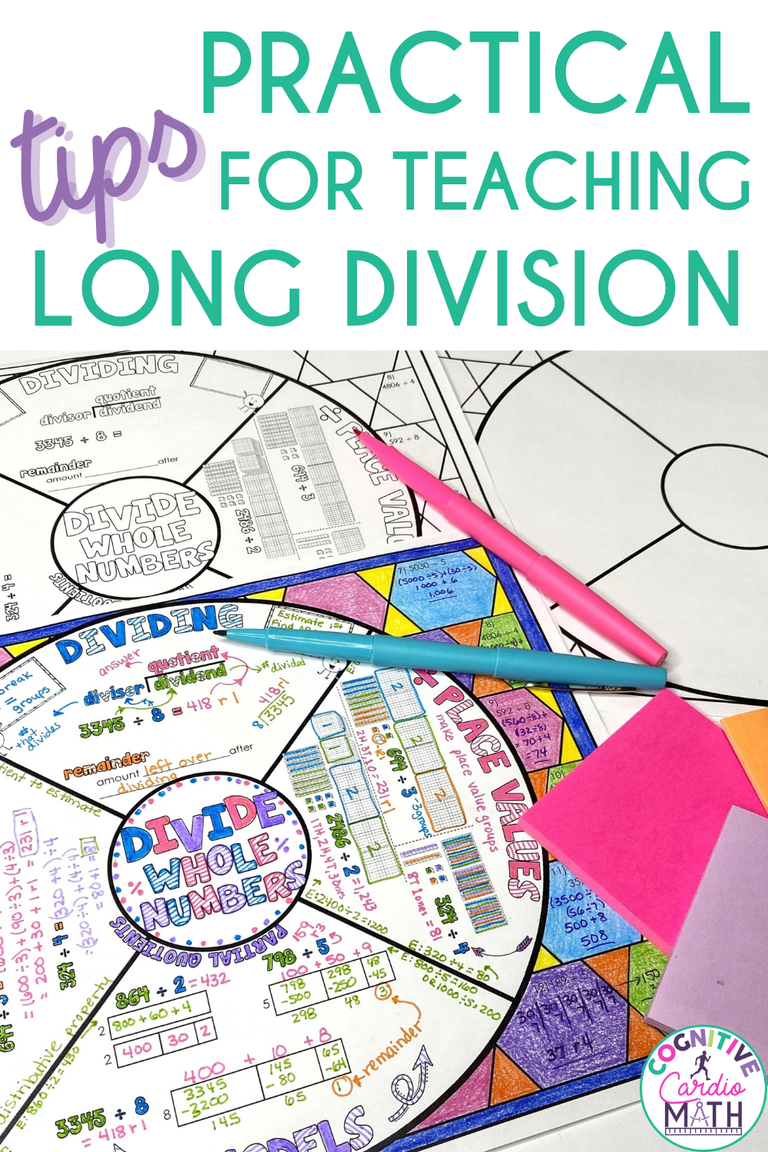
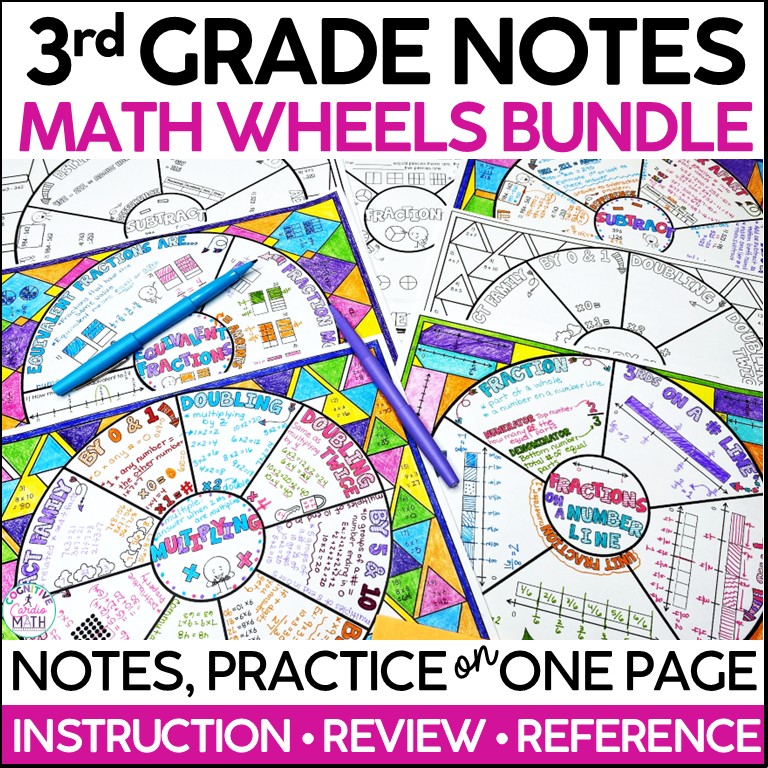
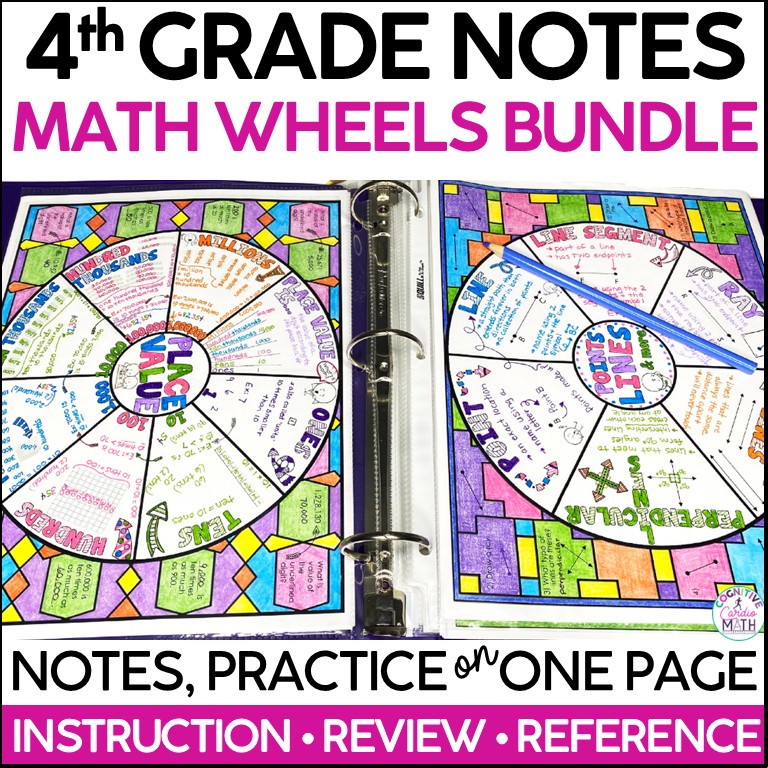
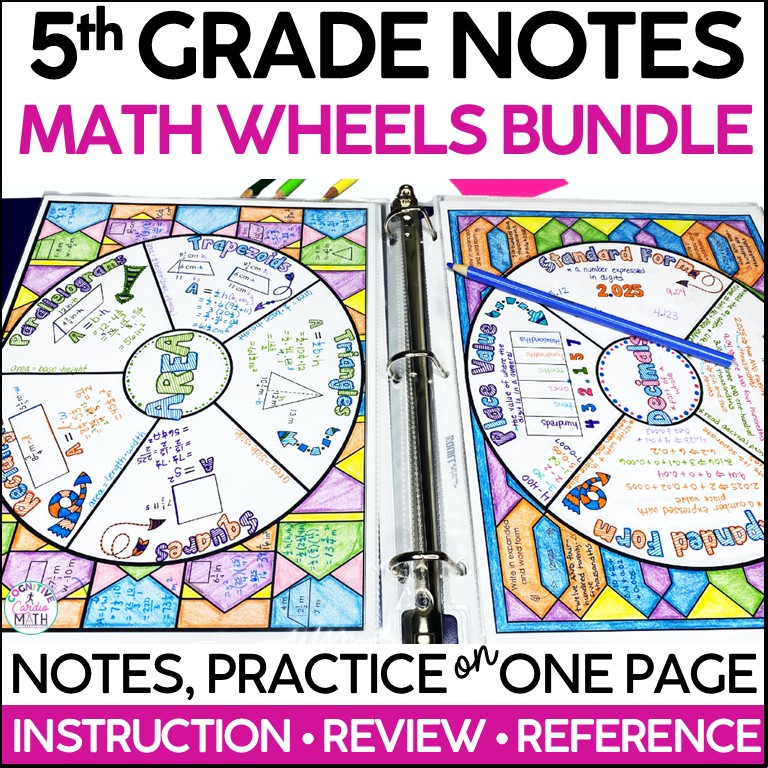
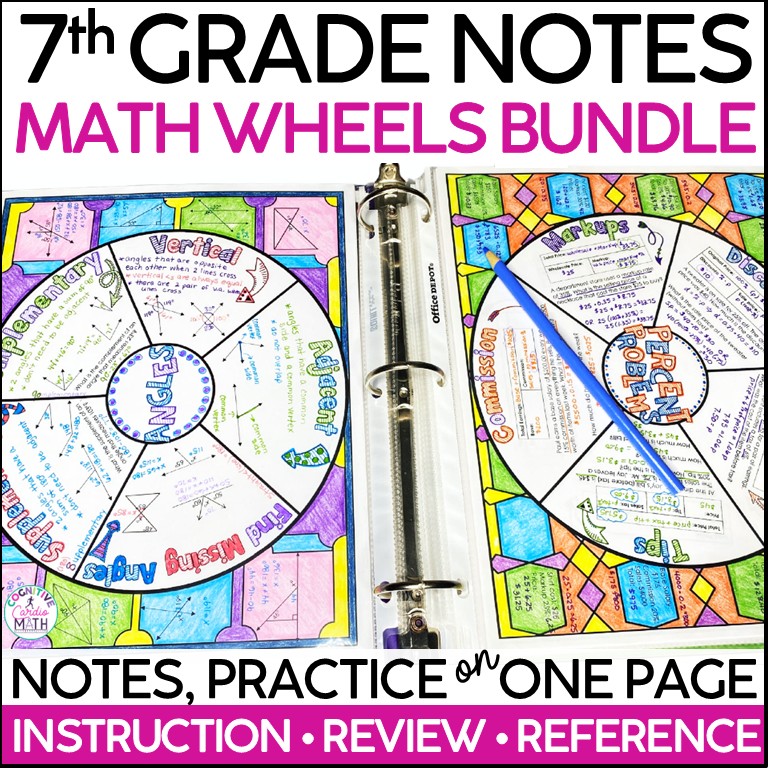
In my room, my absolute favorite type of anchor chart is a math wheel. These helpful reference tools can be blown up to poster size or used on a regular-sized sheet of paper for student note-taking. When you display them up on a wall, you’ll have a vibrant and colorful visual record of everything you’re covering. More on math wheels for teaching quadrilaterals to come, so stay tuned!
Connect Quadrilaterals to Math Vocabulary Practice
Teaching quadrilaterals isn’t just about recognizing shapes. It’s also a great chance to strengthen your students’ math vocabulary. Words like “parallel”, “perpendicular”, “right angles”, “congruent”, and “diagonal” are all part of the conversation when exploring the properties of quadrilaterals. Making space to teach these terms can help your students better describe, compare, and explain the shapes they’re working with.

If your students struggle with grasping math vocabulary, I highly suggest creating a focus wall in your classroom. You can type up some definitions for each term and display them on the wall. This will serve as a helpful reminder to your students throughout your lessons.
Another simple way to build vocabulary practice is through matching games. For example, have your students match shape names to their definitions or match pictures of shapes to key properties like “two pairs of parallel sides” or “four right angles.” You can also create simple card games or partner activities where your students quiz each other on terms and give clues until their partner guesses the word.
Another fun idea is to have your students create their own illustrated math dictionaries. Ask them to draw each type of quadrilateral, label it, and write a quick description of its properties. Not only does this help reinforce new vocabulary, but it also gives your students a personal reference they can use during lessons and review time. By weaving in vocabulary practice, you’re setting your students up to communicate their thinking clearly and confidently. This is a skill that pays off across all areas of math.
Explore With Hands-On Activities

This is where the fun really begins! Giving your students the chance to cut, sort, draw, or build quadrilaterals brings the learning to life. Try handing out shape cutouts and asking your students to group them by properties. Think along the lines of how many pairs of parallel sides they have or whether they include right angles. As they sort, they’re naturally reinforcing what they’ve learned.
Geoboards or virtual drawing tools are another awesome option. Challenge your students to create different types of quadrilaterals and explain how they know which is which. For example, they might stretch a rubber band to make a parallelogram. After they do, they need to describe how they can tell it’s not just a random four-sided figure. It’s a great way to get them using precise math language in a low-pressure, creative way.
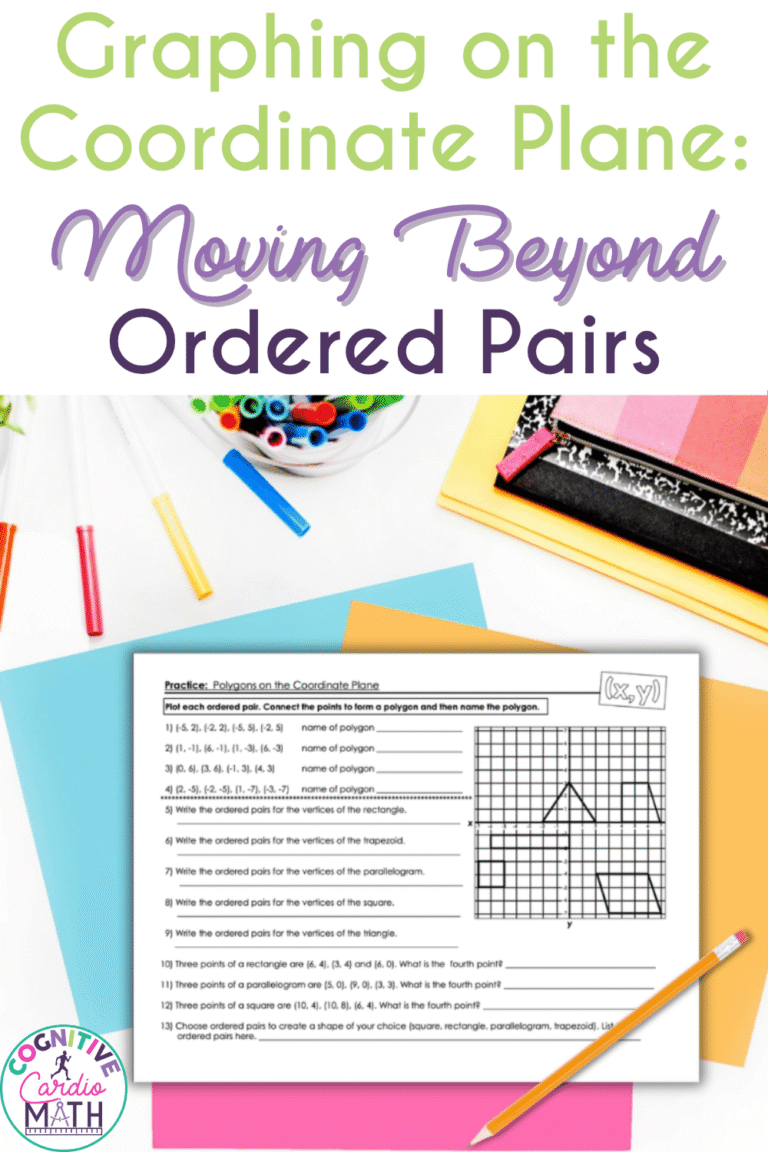
Remember to share some real-world connections, too! Send your students on a “quadrilateral hunt” around the classroom or school. Let them snap pictures or sketch examples of quadrilaterals they spot in floor tiles, windows, books, or bulletin boards. Suddenly, geometry isn’t just something from a textbook. It’s everywhere they look.
Break Down Quadrilaterals With the Math Wheel

If you’re looking for a tool to pull all this learning together, my Quadrilaterals Math Wheel is a total game-changer. This interactive resource walks your students through the types and properties of quadrilaterals in a way that’s both structured and fun.
Each section of the wheel focuses on a specific shape, such as a trapezoid, a parallelogram, a rectangle, a square, or a rhombus. It also includes a general section for quadrilaterals. As you work around the circle, your students jot down key characteristics, like parallel sides, equal-length sides, or right angles. You can choose how much support they get with open notes, fill-in-the-blank notes, or pre-filled notes for your students who need a little extra help.
Around the edge, there’s a set of true/false statements to challenge students’ thinking. They’ll get to test their understanding of tricky concepts like “A rectangle is a square” or “A rhombus is a parallelogram.” These are perfect for sparking class discussions or partner check-ins. There’s also built-in doodle space, so your students can color and personalize their wheels while they work, adding a creative twist to help them retain this math concept.
Why the Math Wheel Helps Master Quadrilaterals

What makes the Quadrilaterals Math Wheel so effective is how it blends note-taking, visual organization, and active practice. Instead of just memorizing definitions, your students are building a hands-on reference tool they can keep coming back to. Plus, you get to decide how to use it – for the whole group, a small group, or an independent review. And don’t forget about the option to make a large anchor-chart style math wheel, too!
Your students will love that the wheel feels interactive and creative. They’re not just sitting and listening. They’re engaging with the material, coloring, labeling, and making sense of the relationships between different shapes. The true/false section is especially useful for clearing up common misunderstandings. This helps your students feel more confident tackling practice problems and assessments.
For you, teachers, the math wheel is a huge time-saver. It’s ready to go, easy to adapt, and flexible enough to fit into any lesson plan. Whether you’re introducing quadrilaterals for the first time or reviewing them before a test, this tool helps make sure the properties and types of quadrilaterals really stick.
Review Quadrilaterals With Games and Movement

Take your quadrilateral lessons up a notch by bringing in some games and movement! Adding active review activities helps keep your students engaged and gives them a fun way to practice what they’ve learned. It’s a great strategy for kinesthetic learners, but honestly, all students benefit from getting out of their seats and playfully applying their knowledge.
One favorite is Quadrilateral Bingo. Create Bingo cards with the names or pictures of different types of quadrilaterals. Then, call out properties like “four congruent sides” or “only one pair of parallel sides.” Your students have to think carefully about which shape matches and mark it on their card. It’s fast-paced, interactive, and perfect for small groups or whole-class review.
You can also set up a “Four Corners” game by labeling each corner of the room with a quadrilateral type, such as square, rectangle, parallelogram, rhombus, or trapezoid. Read out clues or properties, and have students move to the corner that matches. It gets them moving, but it also gives you a quick check on how well they’re grasping the concepts. By mixing in games and movement, you make practicing quadrilaterals something your students will actually look forward to!
Find Even More Math Ideas and Resources
Looking for even more ways to make math instruction fun and engaging? Be sure to check out the resources in my TPT store for ready-to-use activities that will save you time and keep your students excited to learn. If you’re in the mood for fresh ideas and inspiration, tune in to a few episodes of The Teaching Toolbox podcast on your next walk or drive! You’ll find plenty of tips, strategies, and creative approaches to help make your math lessons a hit with your students.
Confidently Teach Quadrilaterals With Fun and Purpose
Confidently teaching quadrilaterals doesn’t have to mean sticking to dry definitions or endless practice problems. By combining clear explanations, hands-on activities, and interactive tools like the Quadrilaterals Math Wheel, you can turn this topic into something your students truly understand and enjoy. With the right mix of creativity and purpose, you’re helping your kiddos see connections, think critically, and build math confidence that lasts well beyond the geometry unit.
Save for Later
Want to come back to these easy and effective ways to teach quadrilaterals? Be sure to save this post to your favorite Pinterest board so you’ll have it handy whenever you’re planning your next geometry lessons!