Teaching customary units of measurement isn’t always easy. In fact. . . sometimes it can feel a bit like you’re just tossing numbers out there and hoping they land somewhere meaningful. With the right strategies, though, teaching units of measurement can turn into an engaging, approachable experience that helps your students connect the dots and actually remember what they’re learning. Let’s explore how to make customary units stick!
Why Focus on Customary Units of Measurement?
Customary units of measurement pop up everywhere, from recipes in the kitchen to road signs on the highway. Helping our students understand inches, feet, yards, and miles isn’t just about passing a test. It’s about building skills they’ll use in everyday life. The challenge is that these conversions don’t always come naturally. Memorization alone can leave our students feeling frustrated.
When I was in the classroom, I found that my students needed more than just drills or worksheets. They needed context. We would talk about real-life examples, like how many cups are in a quart when baking or how many pounds are in a ton when discussing large animals. Connecting the abstract numbers to tangible experiences gave my students an “aha” moment. That’s when the learning stuck.
What’s powerful about focusing on customary units of measurement is that it also builds number sense. As our students compare and convert units, they start seeing relationships between numbers, which improves their flexibility with math overall. It’s not just about remembering facts but more about understanding how those facts fit together.
The Challenges of Teaching Customary Units of Measurement

Before jumping into strategies and tools, it helps to recognize why customary units of measurement can be tricky for your students. Unlike the metric system, which follows a neat pattern of tens, customary units throw in conversions like 12 inches in a foot or 3 feet in a yard. That’s enough to confuse anyone at first!
You may see your students regularly mix up units or forget how many of one thing fit into another. It isn’t a matter of effort. This is about needing more meaningful practice and time to develop a mental framework. Once you understand the challenges your students are facing, you can shift how you approach teaching measurement. You can focus less on memorization and more on understanding.
This shift lays the foundation for everything else. With the right groundwork, your students will be ready to tackle strategies that make the learning process smoother, more engaging, and ultimately more effective.
Laying the Groundwork for Customary Units of Measurement

Before handing out any notes, it’s important to give your students real-world context for customary units of measurement. Why do we use these units? Where will they see them outside of math class?
You need to get them out of their seats to practice applying it. One of the most effective strategies is to use estimation activities. You can estimate the length of the classroom in feet, the weight of a school bag in pounds, or how many cups of water it would take to fill a pitcher. These simple activities turn abstract numbers into meaningful comparisons that your students can wrap their heads around.
Another favorite is to set up measurement scavenger hunts. You can hide cards around the room with different measurement challenges. Maybe one card asks your students to measure a book’s length in inches, another has them convert a liquid measurement, and another asks them to figure out elapsed time. Students can work in pairs or small groups, moving around the room and practicing real conversions. Not only does this boost their understanding. It also adds a layer of excitement and teamwork to what might otherwise feel like dry practice.
Cooking activities and sports challenges also work well with high engagement payoff. You can follow simple recipes to explore cups, pints, and quarts. You can also calculate distances and speeds on the playground using feet, yards, and miles. When your students experience measurement in action, they’re much more likely to remember it. Real-world activities give them the “why” behind the numbers, turning customary units of measurement from something they memorize for a test into something they actually understand and use.
Visual Models That Help Teach Customary Units of Measurement

One of the easiest ways to make customary units of measurement stick is to use visual models you and your students can create right in the classroom. These don’t need to be fancy or store-bought. Simple drawings and charts can make a huge difference.
A great example is the “big G” diagram for capacity. You can draw a large capital G on the board or have your students sketch it on paper. Inside the G, draw four Qs for quarts. Inside each Q, draw two Ps for pints, and inside each P, draw two Cs for cups. Once your students build this model themselves, they can visually break down gallons into smaller units. It sticks in a way that memorizing a chart just doesn’t.
Another helpful DIY visual is a stair-step chart for length or weight conversions. Draw steps on the board labeled inches → feet → yards → miles (or ounces → pounds → tons). Show the arrows pointing up or down to indicate when to multiply or divide. Your students can copy this into their notebooks and use it as a reference when solving problems.
You can also have students create simple foldables. For example, they might make a three-flap foldable labeled “Length,” “Weight,” and “Capacity,” with notes or examples under each flap. These are quick to make, easy to personalize, and give your students something interactive to flip through when reviewing conversions.
By encouraging your students to help create these visual models, you’re giving them hands-on ways to organize and remember measurement relationships. You’re also making sure they walk away with tools they can keep using independently.
Using the Customary Measurement Doodle Wheel in Your Classroom

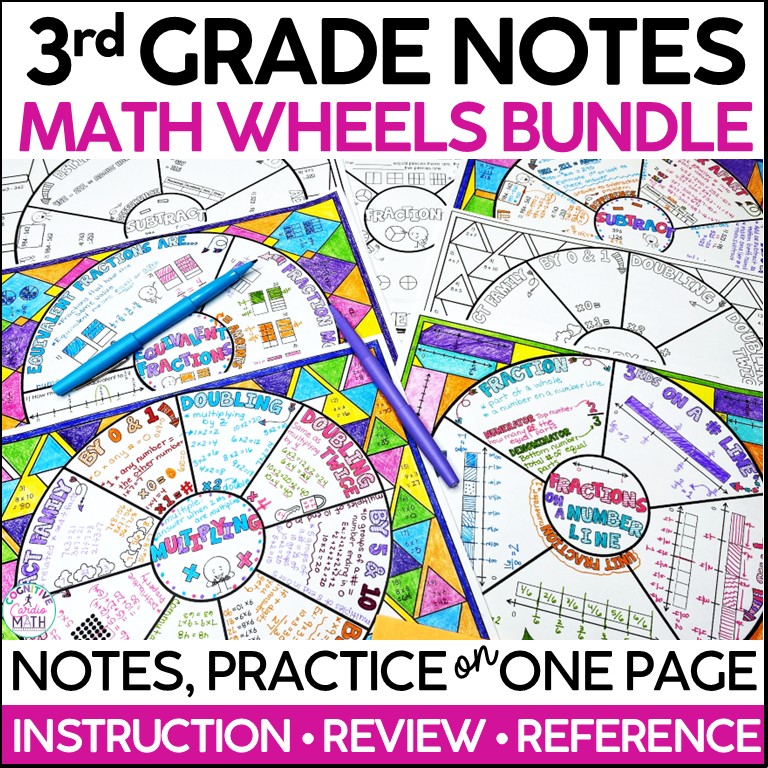
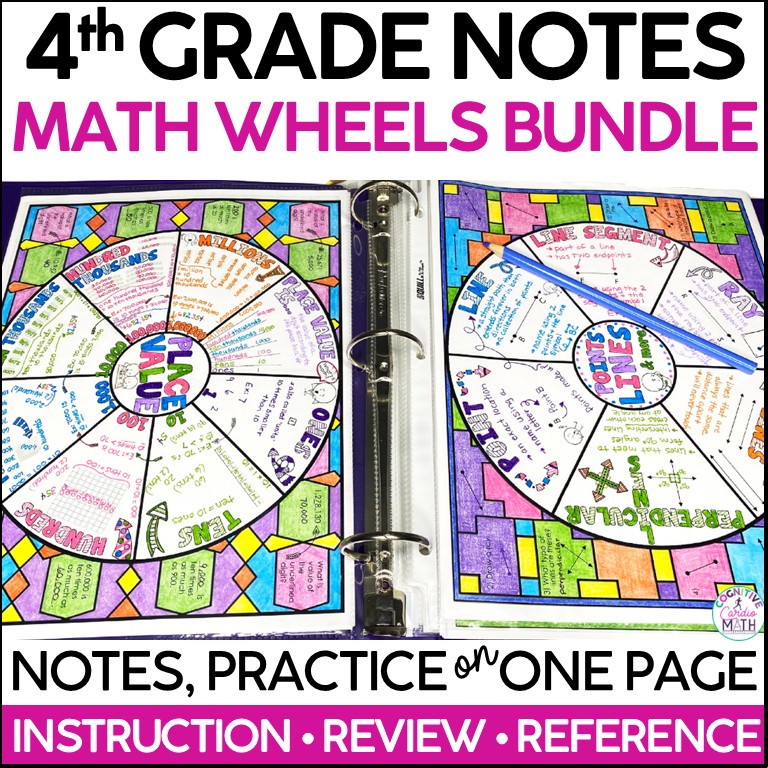
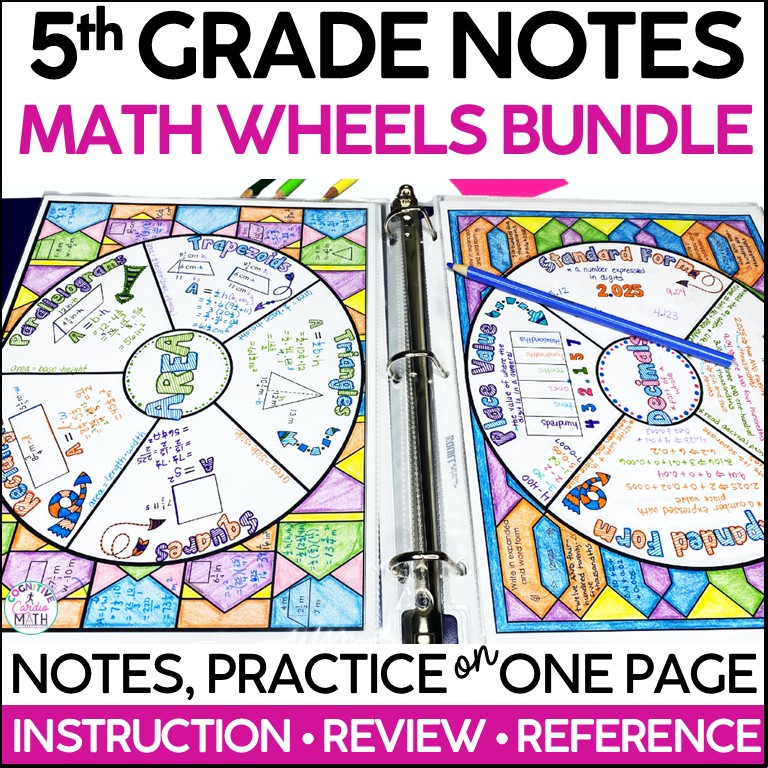
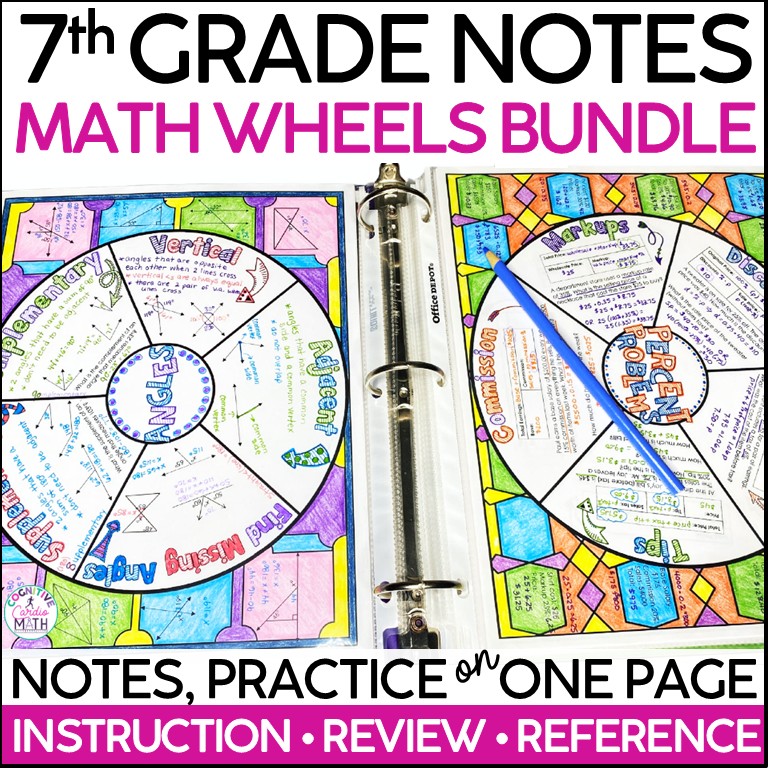
A favorite tool for making customary units of measurement stick is the Customary Measurement Doodle Wheel. This resource goes beyond a typical notes page by transforming measurement conversions into something interactive, visual, and hands-on. Let me walk you through how to use it in your classroom and why your students will love it.
The wheel is divided into four sections: length, weight, capacity, and time. You can introduce it section by section, spreading it out over several days. Then it can also be used as a full review once you’ve covered the material. There are a few versions of the wheel to accommodate all of your learners. One version has “fill-in” notes to give your students enough structure without taking away their responsibility to engage with the material. There’s also an “open notes” version for your students to take ownership, as well as a pre-filled version for quick reference. Each of these versions also come with no pattern in the background, for students who would benefit from less on the page.
What’s so engaging about the Customary Measurement Doodle Wheel is how it invites creativity. Your students can color-code sections, add conversion tips, and use the visual “big G” for capacity conversions. Trust me, once your students visualize the gallon with quarts, pints, and cups inside, it’s a game-changer. By the end, they have a personalized, interactive study tool they can keep in their notebooks. Since it’s fun and colorful, they’re more likely to pull it out when they need it.
The Benefits of Adding Creativity and Practice

Adding creativity to customary units of measurement isn’t just about making things look pretty. It’s about deepening understanding. The doodling aspect of the wheel gives your students an outlet for stress relief and helps engage parts of the brain linked to memory and focus. When you use doodle wheels, you’ll notice that even your students who are usually reluctant to review notes are excited to work on their wheels. They are proud to show them off and, more importantly, they remember the conversions better.
Beyond the creative side, the wheel also includes practice problems worked into the design. These cover conversions across all four categories. This reinforces what your students have learned and gives you a chance to check for understanding. You’ll want to make sure to look over the answers before letting your students color, so that you keep the focus on accuracy first.
Another bonus is that you can pull in the included practice task cards (just a few are included) as exit tickets or quick checks. It’s a great way to weave in short bursts of practice without adding a ton of prep. Whether your students are working in small groups, centers, or independently, the Customary Measurement Doodle Wheel offers flexibility and fun all rolled into one.
Why Hands-On Tools Matter in Teaching Customary Units of Measurement

Let’s face it. Just telling your students “memorize this” rarely works. Hands-on tools like the Customary Measurement Doodle Wheel are game-changers because they let your students interact with the material.
When using interactive tools in your classroom, you’ll notice that your students are more engaged and more willing to participate. They won’t just sit passively. They’ll actively work through conversions, ask questions, and connect the dots between different units. Hands-on learning turns measurement into something they do, not just something they hear about.
By adding something intentional, such as the doodle wheel, you’re giving your students multiple entry points to understand the material. This makes a huge difference, especially for your diverse learners.
Additional Resources to Explore
Looking for even more ways to help your students master customary units of measurement? Be sure to check out additional resources like task cards and color by number activities that offer extra practice and are self-checking. They make your job easier and keep your students engaged.
Find all the resources mentioned here in my TPT store, including the Doodle Wheel and many more activities to teach customary units of measurement. Adding these resources to your teaching toolkit gives your students multiple ways to review, apply, and check their understanding. Plus, it gives you more time to focus on supporting their success!
Make Customary Units of Measurement Stick for the Long Run
If you’re looking for a meaningful way to teach customary units of measurement, the Customary Measurement Doodle Wheel is a tool worth trying. It helps your students see connections, practice conversions, and create something they’re proud to use as a reference. By combining hands-on visuals with problem-solving, you can help your students build confidence and fluency in measurement.
Teaching customary units doesn’t have to feel like a dry set of numbers. With the right tools and a bit of creativity, you can turn it into an experience that sticks. An experience your students will carry with them well beyond the classroom!
Save for Later
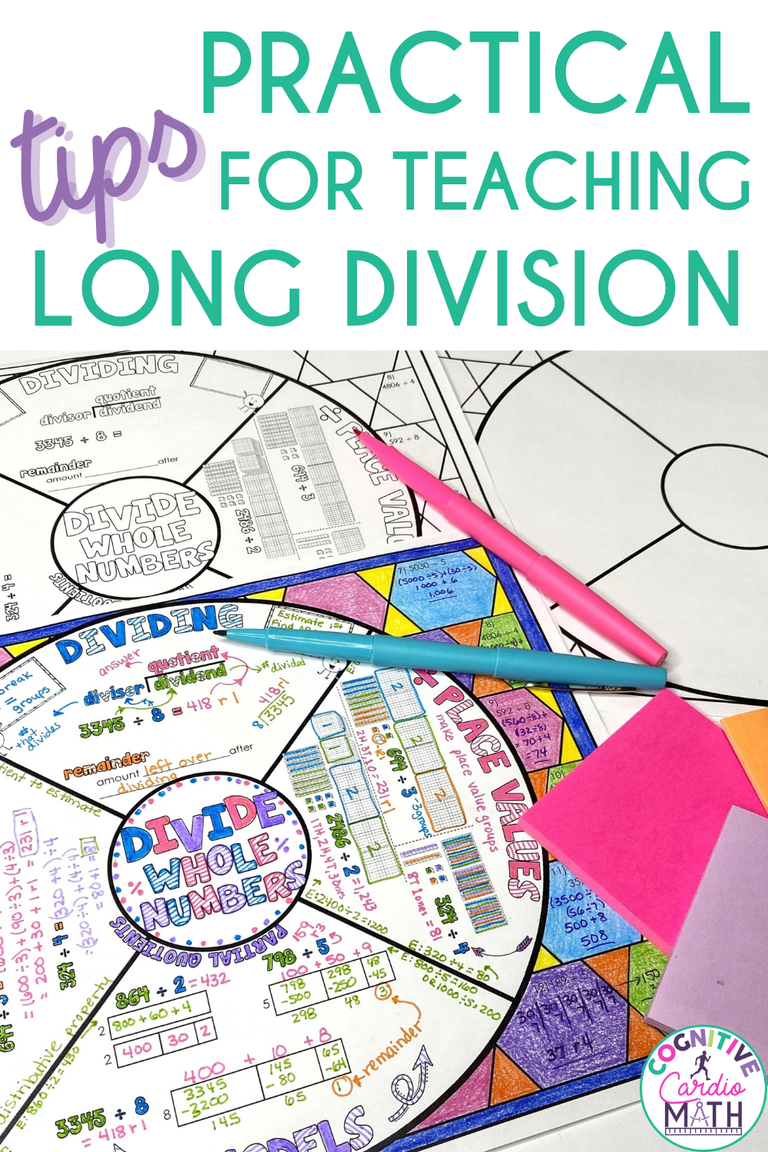
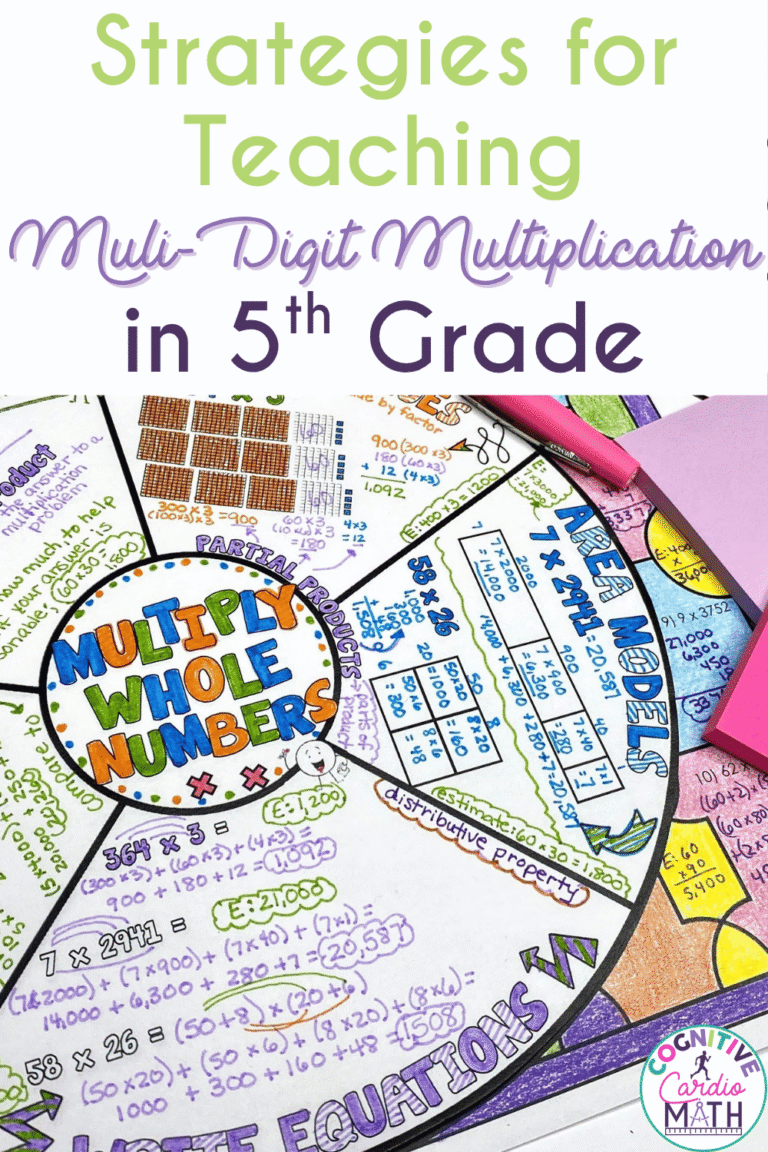
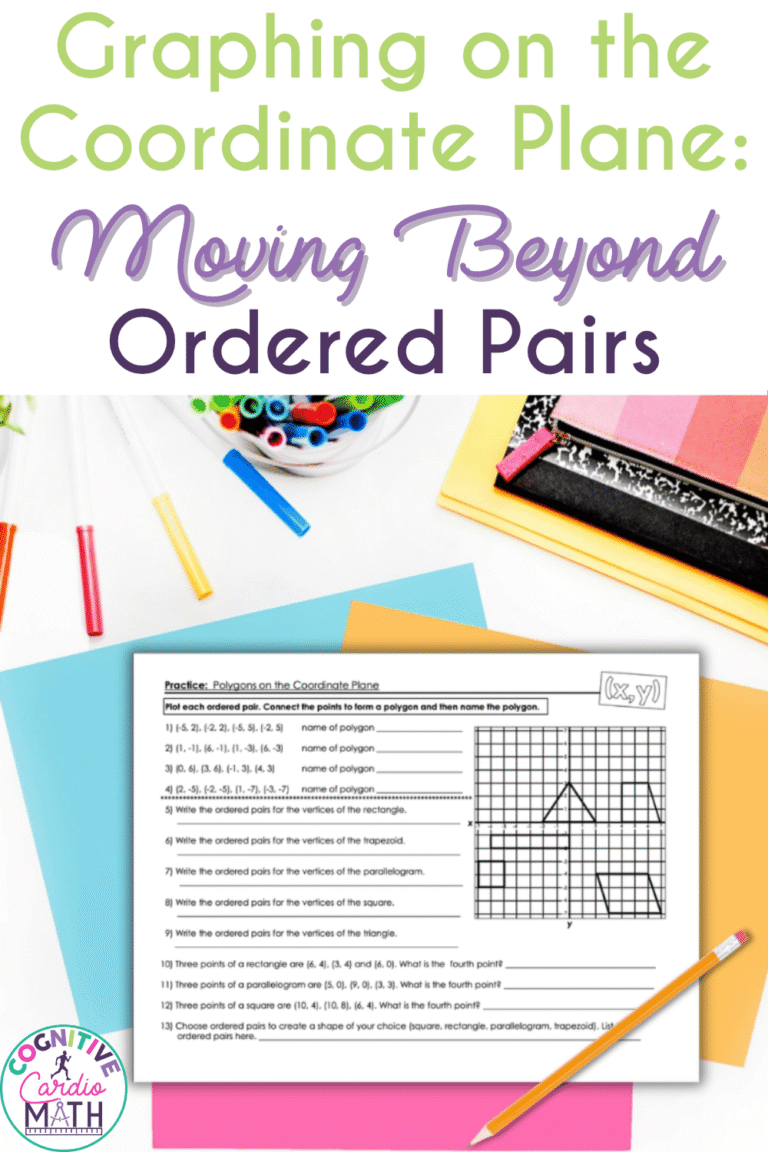
Want to come back to these ideas when you’re planning your next measurement unit? Be sure to save this post for later! Pin it to your favorite teaching board or bookmark it so you’ll have strategies, tips, and resources ready when you need them.