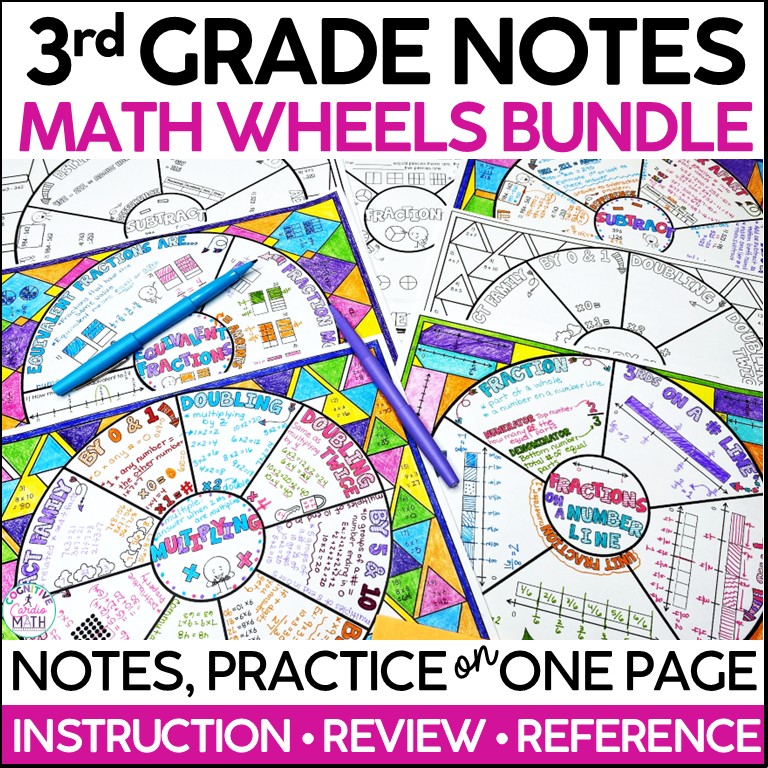
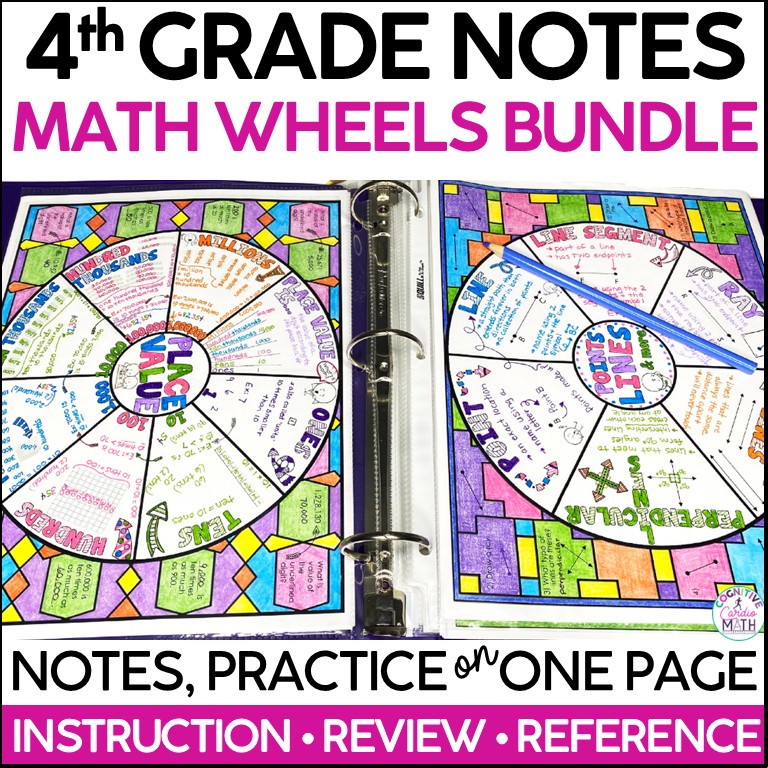
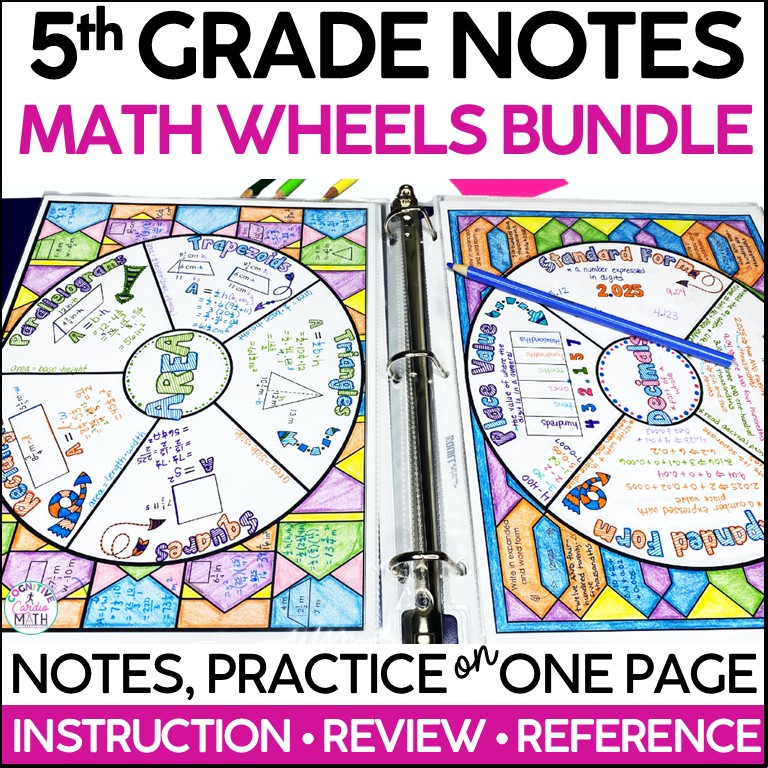
If you’ve ever had students mix up when to add, subtract, or change the sign while working with integers, you’re definitely not alone. Integer operations can be a huge hurdle for our students. Honestly, sometimes for us as teachers, too. The good news is that with the right tools and strategies, you can make integer operations more approachable, engaging, and yes, even fun! That’s exactly what I set out to do when I created the “Integer Operations Math Wheel”. It quickly became one of my favorite ways to help kiddos stay organized and confident when working with positive and negative numbers. Whether you’re introducing integer operations for the first time or reviewing before a big test, this post will walk you through how to make it stick, one operation at a time.
The “Why” Behind Integer Operations

Have you experienced that moment when students throw their hands in the air and ask, “When are we ever going to use this in real life?” yet? It’s a question that comes up all the time when teaching integer operations, and honestly, it’s a fair one. As teachers, we know how important these skills are, but our students need to see the why behind the math to really buy in.
Integer operations show up more than your students might expect. From checking account balances and temperatures to football yardage and game scores, positive and negative numbers help us describe change, direction, and loss. Once your students realize that negative numbers aren’t just abstract ideas but real-world tools, their attitudes start to shift. When your student hears, “It’s 10 degrees below zero,” or “Your bank account is overdrawn,” they’re interacting with integer operations whether they realize it or not.
Bringing this into the classroom doesn’t have to mean adding long word problems every day. You can spark those real-world connections with a quick discussion or by asking them to find examples in their daily lives. Once your students understand that integers help us represent situations where values increase or decrease, gain or lose, go up or down, are above or below, they start to see that integer operations aren’t just another set of math rules. They’re part of understanding the world around them.
Teaching Integer Operations With Visuals That Stick

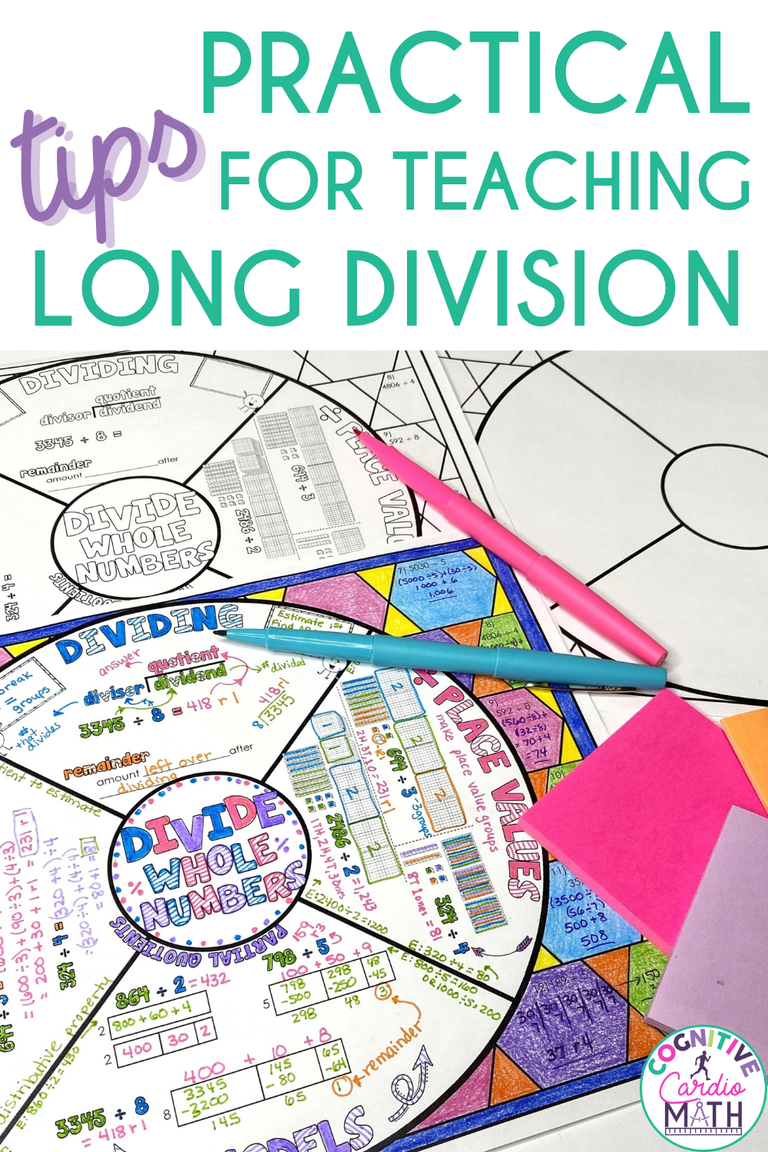
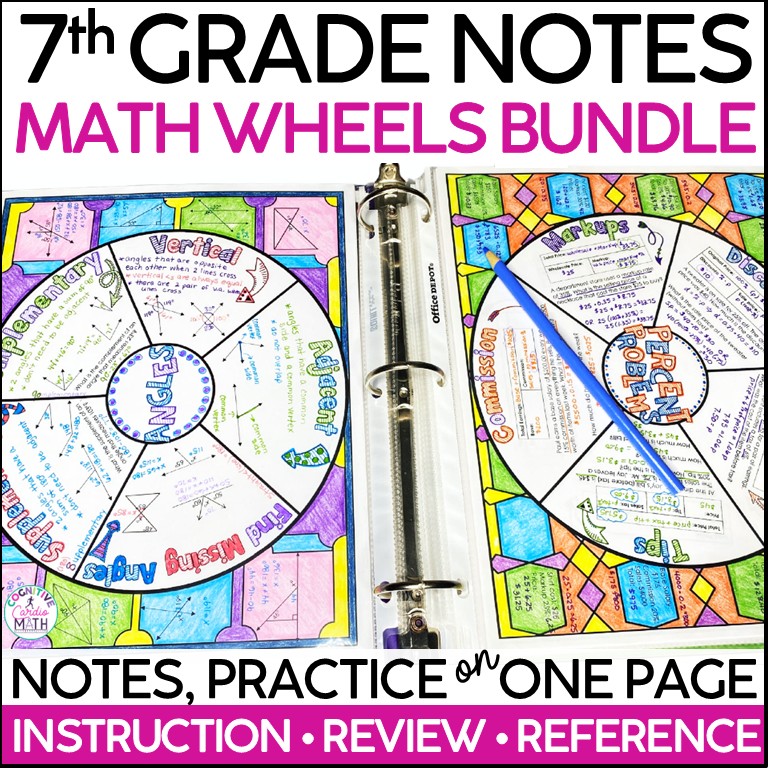
When it comes to integer operations, visuals are your best friend. Students often struggle not because they can’t do the math, but because they can’t remember the steps, or they confuse which rule goes with which operation. That’s why you will love using the Integer Operations Math Wheel. It gives your students a visual anchor to help them organize their thinking. Better yet, it stays in their notebook as a reference for the unit and for the year!
Each section of the wheel is broken down into the four operations your students need to know, which are: addition, subtraction, multiplication, and division. The format is consistent across all four, which helps your students recognize patterns in how signs work. For example, subtraction isn’t taught as a standalone skill. It’s framed as “change the subtraction sign to addition, change the sign of the second number, and follow addition rules.” This kind of repetition and visual patterning is gold when you’re teaching integer operations.
I’ve found that when my students would color, label, and take notes directly on a tool like the math wheel, they remembered the concept better. The doodle-friendly layout adds an element of creativity that makes it feel less like a repetitive drill and more like an interactive puzzle. Plus, your early finishers will love getting the chance to color while reviewing!
Strategies for Teaching Integer Addition and Subtraction

Integer addition might sound simple, but once negatives get involved, your students may start second-guessing themselves. You want to emphasize that you’re not just working with numbers. You’re working with direction and value. The Integer doodle wheel supports this with step-by-step notes that help your students focus on sign rules instead of trying to memorize random exceptions.
For subtraction, you can introduce the idea that subtraction can be rewritten as addition. This approach works wonders because it cuts down on the number of rules your students need to memorize. The wheel guides your students to change the subtraction sign to a plus, switch the sign of the second number, and then use the addition rules they already know. It’s a streamlined strategy that reduces confusion and boosts confidence.
A helpful thing to do here is to give your students paired problems, like 7 – 9 and 7 + (-9), and let them discover that the answers are the same. This usually creates a lightbulb moment! These kinds of comparisons not only reinforce the “add the opposite” rule, but they also build deeper number sense. With the wheel as their guide, your students can build the confidence to take risks and try problems they might otherwise try to skip.
Making Integer Multiplication and Division Click

Multiplication and division with integers often come down to one key idea, which is the sign of the result. Once your students understand that the same signs make a positive and different signs make a negative, they’re halfway there. Remembering that during multi-step problems can be tricky. That’s where the Integer Operations Math Wheel comes to the rescue again.
The wheel provides space for examples and shows your students exactly how to apply the sign rules. Make sure to tell your students to multiply or divide like normal, then apply the sign rule at the end. Having that step clearly shown on the wheel helps reinforce it. You can also encourage them to say the rule out loud, “Same signs, positive; different signs, negative,” until it becomes second nature.
Let’s be honest, there’s something satisfying about getting a long multiplication or division problem right, especially when integers are involved. Your students feel empowered when they have a reliable strategy. Using the wheel during classwork, test review, or homework builds that consistency they need to tackle integer operations with confidence.
Differentiation With Integer Operations Wheels

One of the best things about this resource is that it’s incredibly easy to differentiate. Some of your students may be ready for open-ended note sections where they write everything from scratch. Others need the fill-in-the-blank version to guide their focus. A few benefit from the pre-filled wheel so they can focus on the examples and practice problems instead of note-taking.
You can even use different versions in the same class based on students’ needs. Everyone gets the same layout and structure, but the level of scaffolding adjusts to meet them where they are. It’s a great way to make sure no one feels left behind, especially when integer operations are already challenging. AND, sometimes students benefit from a version with no pattern in the background. Every notes option (open, fill-in, and pre-filled) comes with a patterned background and with no pattern in the background.
The examples built into the wheel are not just random practice problems. They cover all four operations and are perfect for guided practice, partner work, or as a quick formative check. I’ve used the wheel for small-group instruction, homework help, and as a review tool. Your students will appreciate having a one-stop shop for this concept.
Engage and Review With Creativity

Let’s talk about the coloring component for a second. I know some people might see it as fluff, but it’s really a quiet moment of focus and creativity that helps reinforce learning. Once your students complete the examples and review their work, you can let them color sections of the wheel. Some make patterns. Some doodle. Others color-code by operation. However they approach it, it helps them take ownership of the tool and helps to retain the information.
You can also use the wheel as part of math centers or review games. Your students can quiz each other using problems from the wheel or create their own based on the examples. It adds a layer of collaboration and makes reviewing integer operations feel less like a chore.
Best of all, the wheels can stay in their notebooks or binders all year. When you hit integers again later in the year (because you know they always come back!), they don’t need to re-learn the concept from scratch. Your students can just flip to their wheel and jump right back in.
More Strategies for Teaching Integer Operations

While the Integer Operations Math Wheel is one of my go-to resources, it’s just one part of the bigger picture when it comes to helping our students truly understand and apply integer operations. Having a few strategies in your back pocket gives you the flexibility to reach all kinds of learners, whether they’re visual, hands-on, or need a bit more movement or conversation to connect with the math.
One strategy that works well is using number lines. No matter if they are physical ones in the classroom or digital ones on interactive boards. Your students benefit from seeing the directionality of positive and negative movement. Having them “walk” a number line or use arrows to track integer movement makes abstract concepts more concrete. For subtraction, especially, number lines help reinforce the idea of “adding the opposite” in a visual way.
Another recommended favorite is to utilize real-life integer scenarios. Let your students role play or solve challenges involving things like temperatures dropping, bank withdrawals, or elevators moving between floors. These situations not only bring some fun and context into the lesson but also make the operations feel relevant. When your students can connect math to something meaningful, that’s when the learning really sticks.
Ready for More Integer Operations Practice?
If you’re looking for more ways to help your students master integer operations with confidence, I’ve got you covered! In my TPT store, you’ll find a variety of engaging resources that make practicing integers feel less like a chore and more like a challenge they want to tackle.

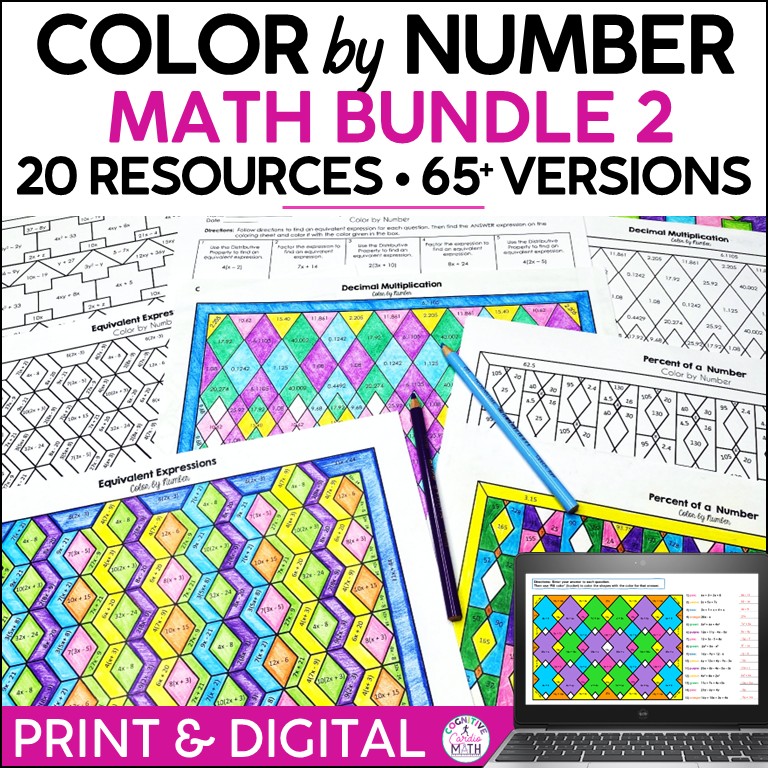
You can grab Color by Number activities that promote self-checking. They are perfect for centers, early finishers, or just adding a splash of creativity to your math block. I’ve also created digital task cards that are great for small group work, partner review, or even scoot-style games to get your students up and moving while reinforcing those integer skills. And of course, don’t forget to grab your own copy of the Integer Operations Math Wheel, too!
Whether you want a fun review or something targeted to a specific operation, these resources are classroom-tested and student-approved. Head over to my TPT store to explore them all and find just what you need to make teaching integer operations easier, more effective, and more enjoyable!
Your Turn to Try These Integer Operations Strategies
Teaching integer operations doesn’t have to be overwhelming for you or your students. With a clear, visual structure like the Integer Operations Math Wheel, your students can build a strong foundation and approach these problems with more confidence. Whether you use it during whole group instruction, small group intervention, or as an independent reference tool, it’s going to save time and reduce frustration.
Give it a try in your own classroom. Watch how your students interact with it. You’ll be amazed at how quickly they start taking ownership of the rules and applying them independently. When you hear them whisper, “change the sign of the second number…,” you’ll know the learning has truly stuck.
Save for Later
Want to come back to these strategies when you’re prepping your next unit? Be sure to save this post to your favorite math teaching Pinterest board or bookmark it for later!