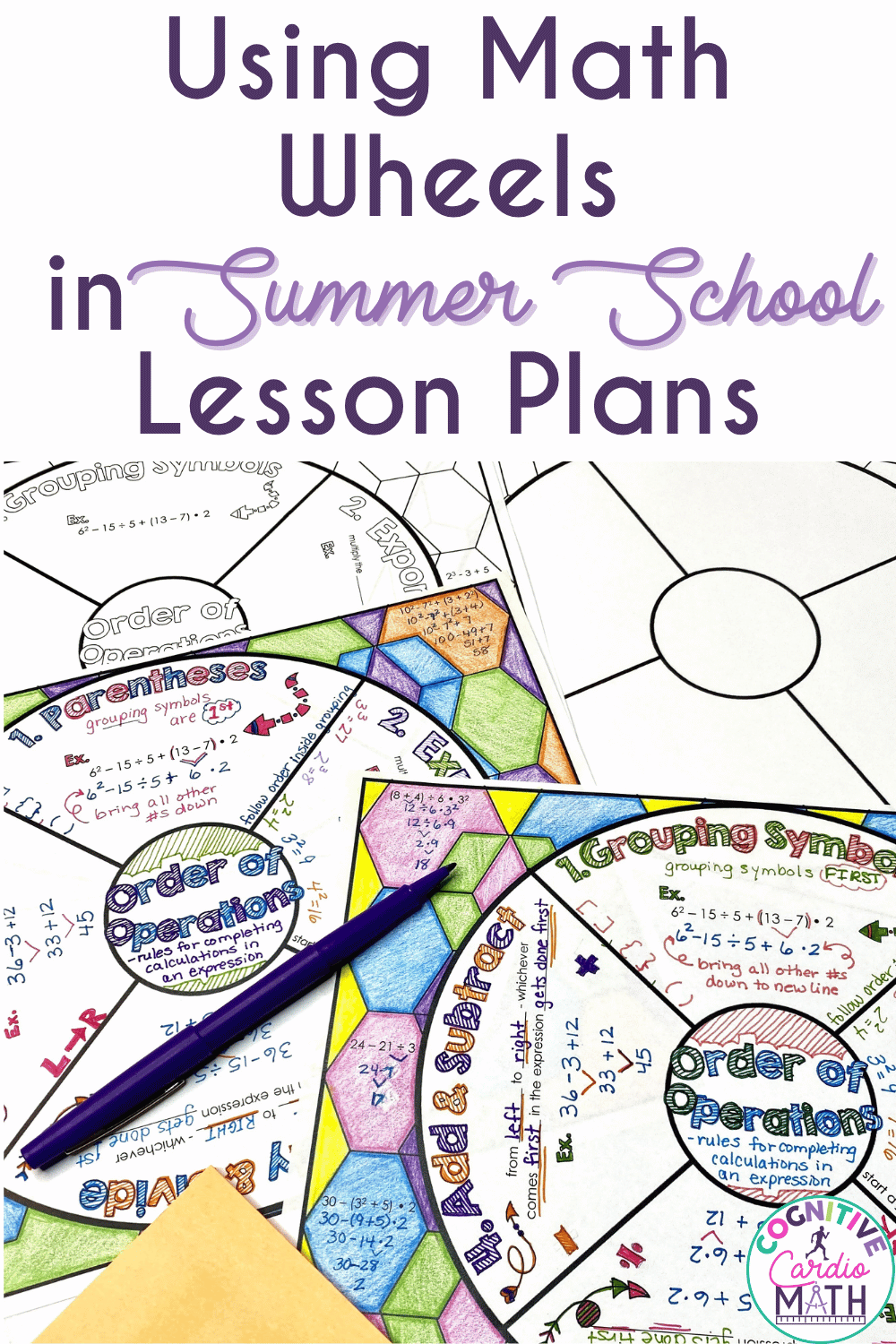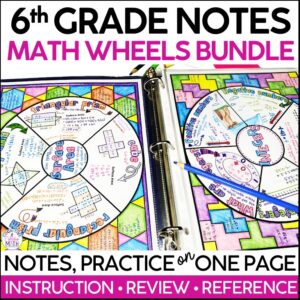
When most of us think about summer school lesson plans, we immediately think about remediation, review packets, and trying to squeeze an entire year’s worth of learning into a few short weeks. The challenge is that many of our students arrive at summer school already feeling frustrated about math. They know they’re spending part of their summer in a classroom while their friends are enjoying vacation. The last thing they want is another stack of worksheets. As teachers, we know that summer school serves an important purpose. It gives our students a chance to strengthen foundational skills, fill learning gaps, and build confidence before the next school year begins. The question then becomes how to make that review feel approachable and manageable for our students who may already be reluctant learners.
That is why I recommend using Math Wheels as you plan out your summer school lesson plans. They help your students review important concepts without feeling overwhelmed. Instead of staring at pages of problems, your students build a visual reference tool they can use throughout summer school and into the new year.
What Are Math Wheels and Why Do They Work so Well in Summer School Lesson Plans?
When I was in the classroom, I continuously noticed how overwhelming note-taking could be for my students. Some rushed through their work because they were worried about falling behind. Others became so overwhelmed that they froze and left very few notes on their papers. I realized many of my students were not struggling because they were incapable of learning the math. They were struggling because the information felt too overwhelming all at once.
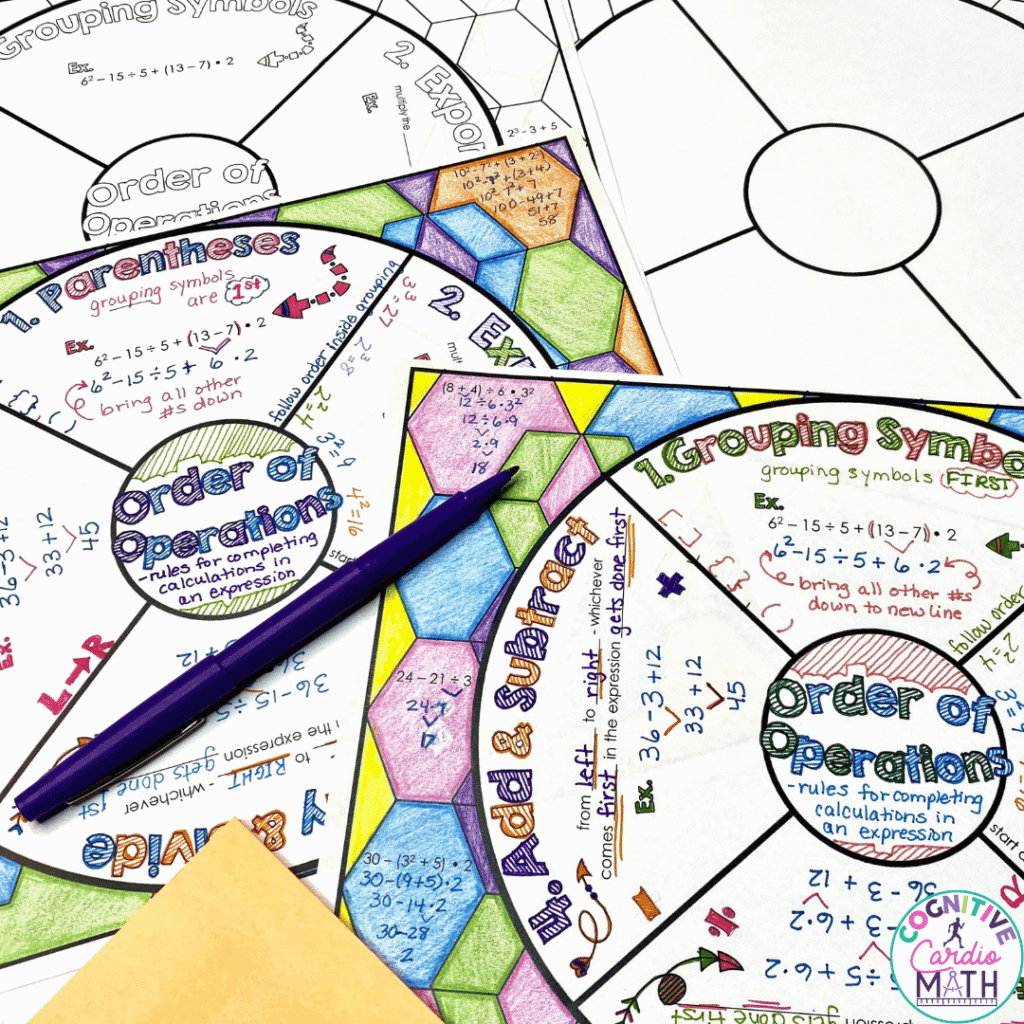
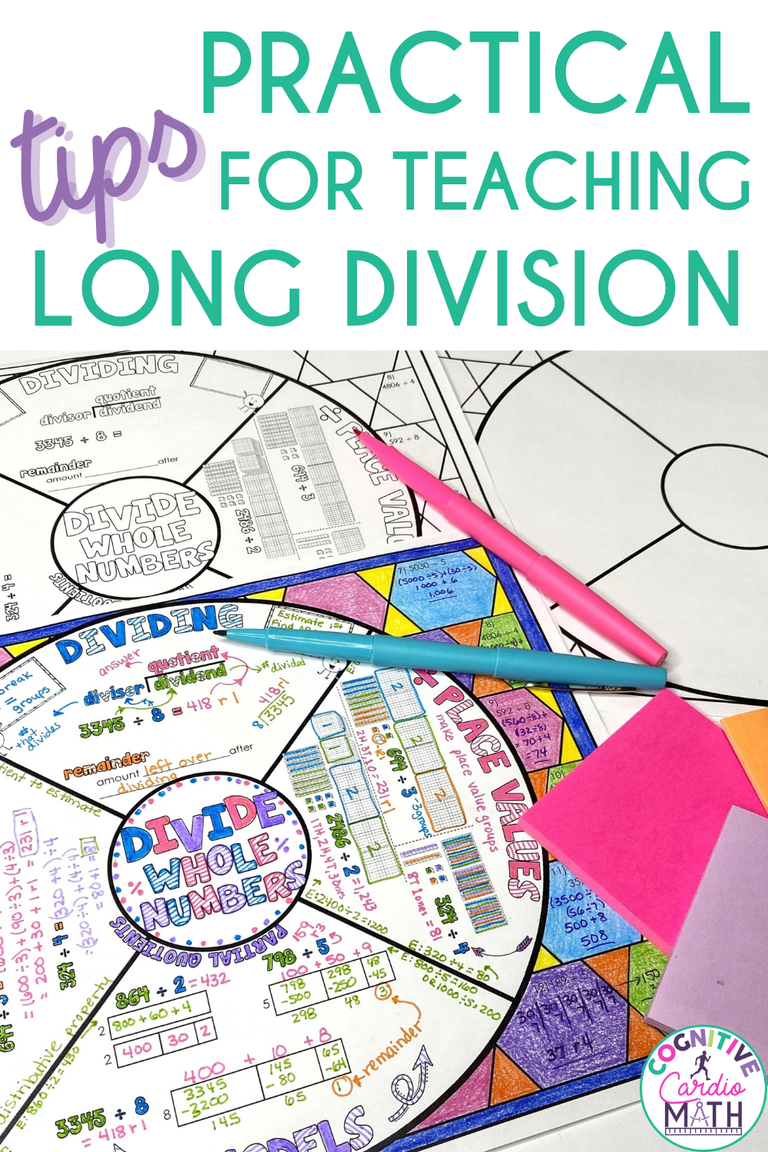
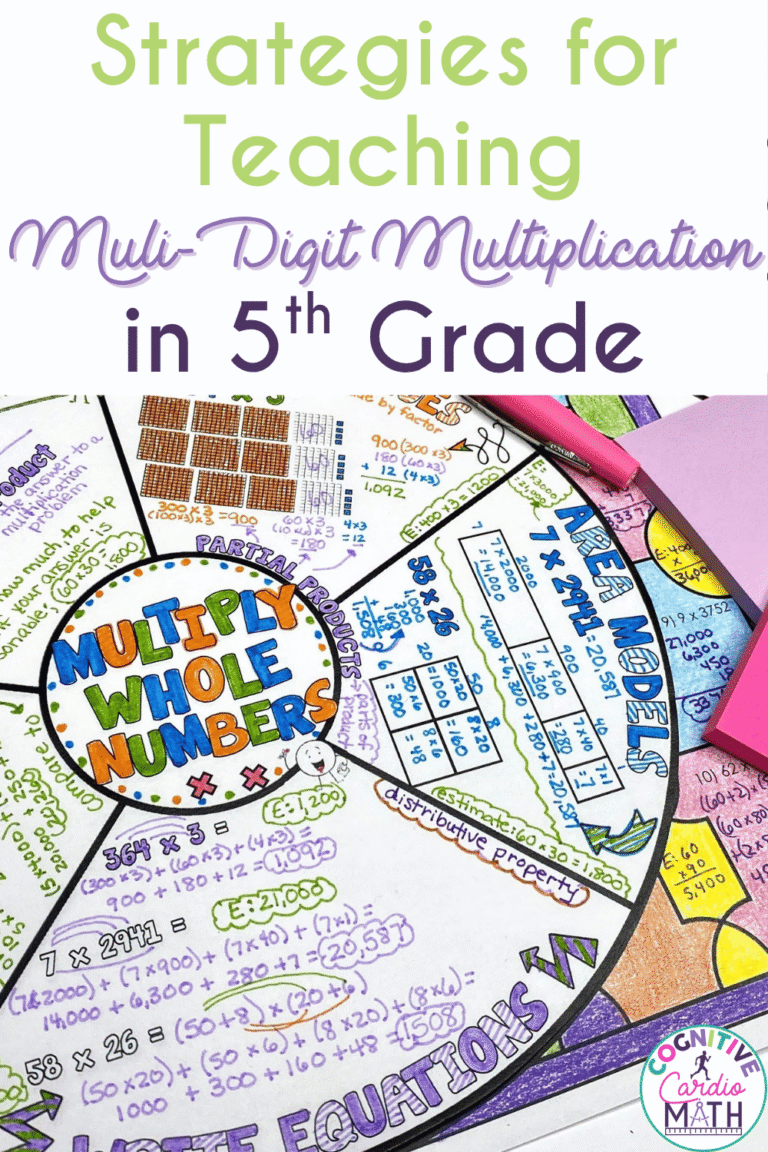
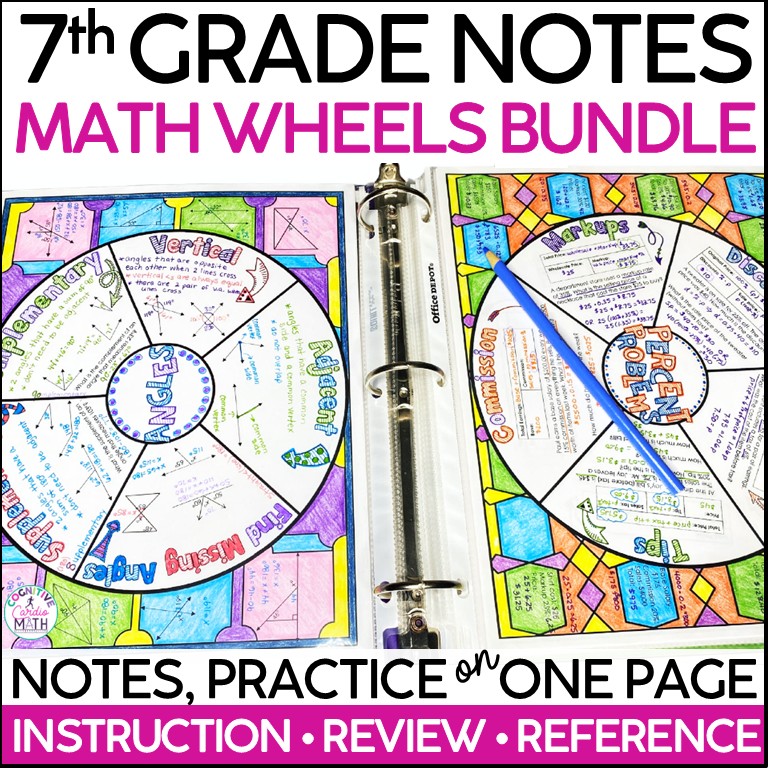
That belief is what led me to start creating Math Doodle Wheels. Math Wheels are graphic organizers that combine guided notes, examples, vocabulary, practice opportunities, and visual learning into a single interactive activity. As you complete each section of the wheel with your students, they create a resource that serves as a study guide, reference sheet, and review tool all at once. Each section of the wheel focuses on one step, idea, or strategy at a time.
The visual design supports learning. Your students can color-code sections, highlight important vocabulary, and use different colors to organize examples and steps. I found that adding color often helped students retain information. When they reviewed their notes, many of my students could remember concepts by recalling what colors or doodles they had used. Having ongoing access to review materials helps reinforce learning and combat summer slide.
What you’ll love about math wheels is that they often change your students’ first impressions of a lesson. Instead of handing your students another review packet, you can give them something they can build. Many students view Math Wheels more like a project than traditional note-taking. They realize they can understand a math concept piece by piece. That shift in mindset often lowers anxiety and makes students more willing to participate.
Using Math Wheels in Summer School Lesson Plans to Prevent Summer Slide
One of the biggest goals of summer school lesson plans is preventing your students from losing important skills before the new school year begins. Summer slide can happen quickly when your students stop practicing concepts. Even your students who performed well during the school year may forget information after several weeks away from the classroom.

When I was in the classroom, I often used completed Math Wheels as part of our warm-up routine. If we had already completed a wheel, I might place one or two problems on the board at the beginning of class for that concept. Then, I would have students use their wheel as a reference while solving them. This allowed students to revisit previously learned concepts without the stress of trying to remember every step.
Another review strategy my students enjoyed was working with partners. After we had completed several Math Wheels, I would place my students into partnerships. Partners would each choose a different wheel and take turns reteaching the concept to one another. One student might explain a divisibility problem while the other walked through an order of operations example. Asking my students to teach a concept often revealed how well they understood the material, their ability to use math talk, and gave them additional chances to practice important vocabulary and problem-solving skills.
You can also use Math Wheels to build spiral review throughout your summer school lesson plans. Instead of completing an entire wheel in one lesson, consider spreading it across several days. For example, you might introduce one section of a Divisibility Rules wheel on Monday and then begin Tuesday’s lesson with a quick review question from Monday before adding a new section. On Wednesday, you can have your students review both previous sections before learning another rule.
A Simple Way to Use Math Wheels in Your Summer School Lesson Plans
If you are new to teaching summer school or just looking for fresh resources, you may be wondering how a Math Wheel fits into your daily schedule. The good news is that Math Wheels are flexible. They can be used in a variety of ways depending on the amount of instructional time you have available and your style of teaching.
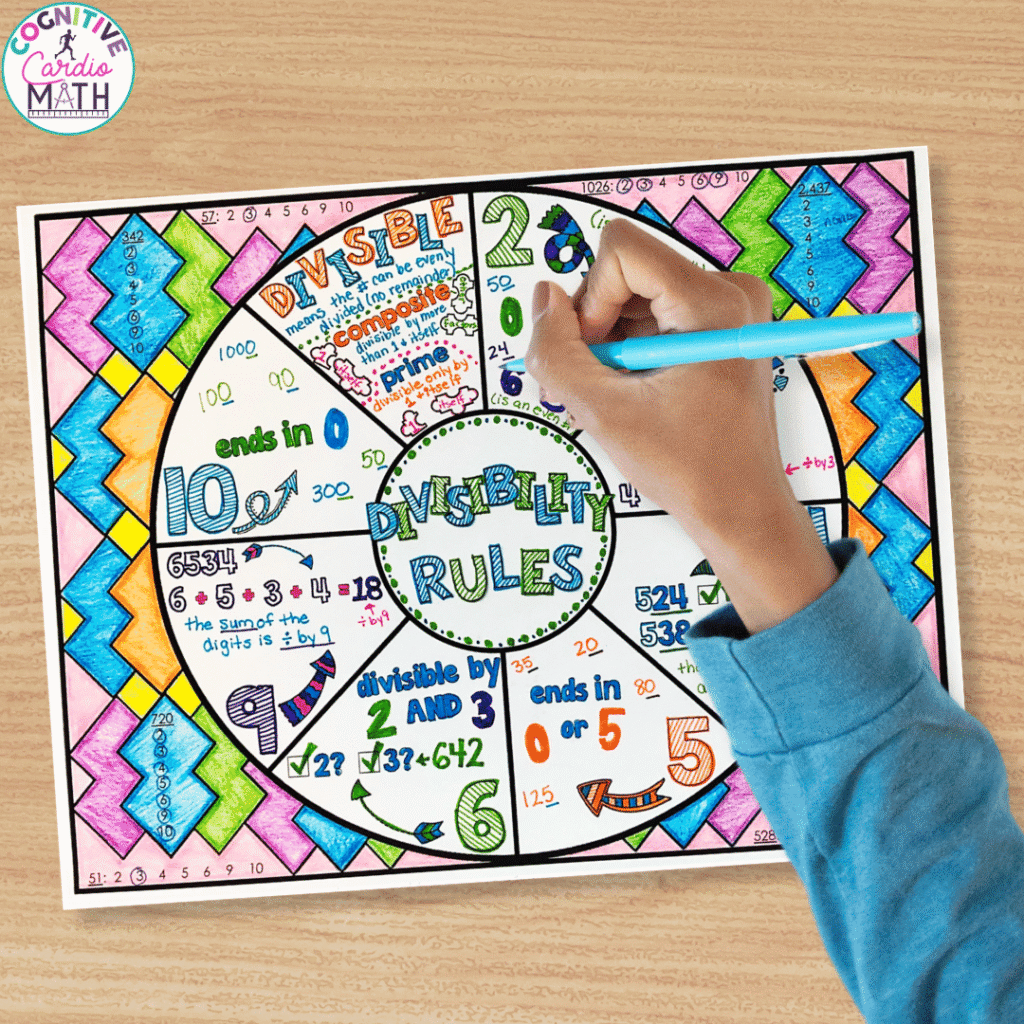
Let’s say you are using the Divisibility Rules Math Wheel. You might begin class with two warm-up questions reviewing a previously taught skill. After reviewing the answers together, introduce the divisibility rule for 2 and complete that section of the wheel as a class. Model examples, discuss the rule, and have your students color-code what you color-code and write down what you write down.
Next, give your students several practice problems where they determine whether numbers are divisible by 2. Encourage them to use their wheel as a reference if needed. Before class ends, have your students explain the rule to a partner or complete an exit ticket. The following day, you’ll want to begin by reviewing the divisibility rule for 2 before adding the rule for 3.
This approach can be helpful for your students because it will help them stay engaged, as they are not trying to learn all the rules at once. Instead, they can focus on one piece at a time while continually revisiting previously learned skills. This is also helpful when you are tight on time. However, if this is not your preference for pacing or you have plenty of instructional time, then you can work through the wheel in one class period.
Using Foundational Math Wheels in Your Summer School Lesson Plans
When planning summer school lesson plans, I always recommend focusing on foundational skills first. Many of your students who attend summer school may have gaps in prerequisite skills that make new learning more difficult. That is why I believe certain math topics deserve extra attention during summer school. Skills such as multiplication facts, divisibility rules, properties, and the order of operations repeat throughout future math. When your students strengthen these concepts, they often find later topics much easier to understand.
The following Math Wheels are some of my favorite options for helping our students review essential concepts, avoid summer slide, and enter the new school year feeling more prepared.
Building Fact Fluency With Multiplication Facts
Multiplication facts are one of those foundational skills that impact nearly every future math concept. When your students struggle with multiplication fluency, they often encounter difficulties with fractions, division, ratios, algebra, and problem solving. That is why multiplication review deserves a place in many of your summer school lesson plans.
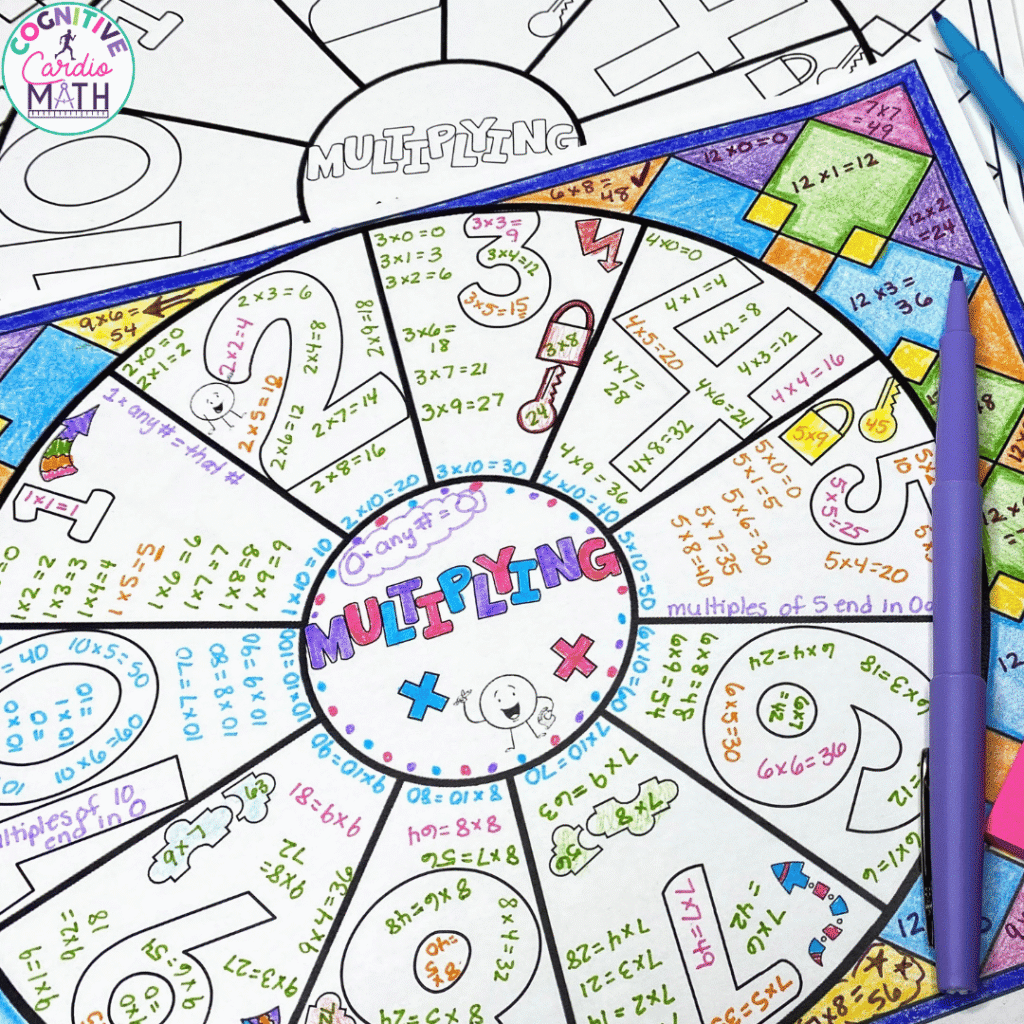
The Multiplication Facts Math Wheel gives your students an organized way to review facts from 1 through 10 while also providing opportunities to extend into 11s and 12s. Your students are not simply memorizing facts. They are identifying patterns, organizing information, and creating a resource they can continue using throughout the summer. I often found that my students knew some multiplication facts but lacked automaticity. They could eventually arrive at the correct answer, but every calculation required significant effort. This wheel gave my students a structured place to practice while also helping them recognize patterns that made multiplication easier to remember.
This wheel will work well in your summer school lesson plans because it can be used in many different ways. You can have your students complete sections during whole-group instruction, use the wheel during math centers, work independently, or take it home for additional practice. The flexibility makes it easy to adapt to the needs of your summer program.
Strengthening Number Sense Through Divisibility Rules
Many of your students learn divisibility rules during the school year, only to forget them a few months later. Unfortunately (or fortunately!), divisibility concepts show up repeatedly in future math topics. Your students will use them when working with factors, multiples, fractions, prime numbers, and algebraic reasoning.
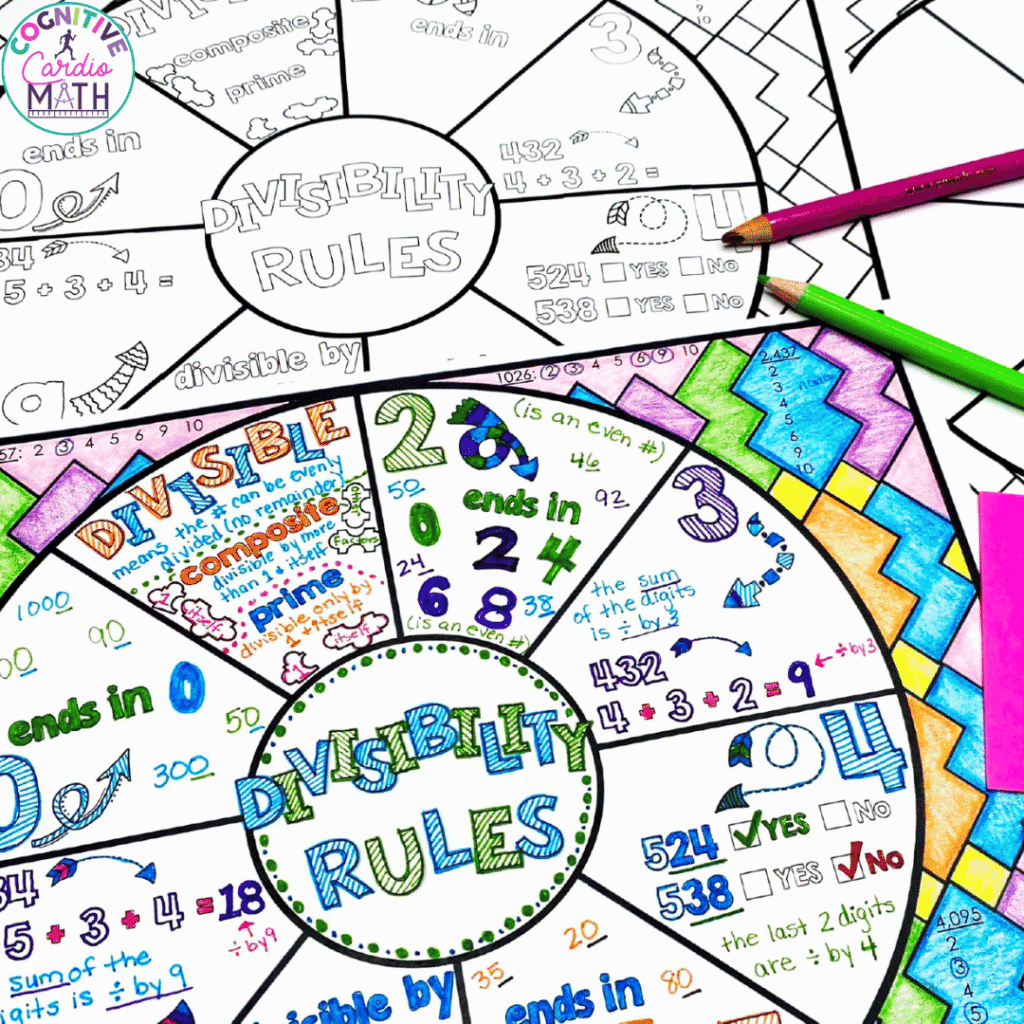
The Divisibility Rules Math Wheel reviews divisibility by 2, 3, 4, 5, 6, 9, and 10 while also reviewing prime and composite numbers. Your students will be able to organize each rule into a visual format that makes the relationships between numbers easier to understand.
I frequently worked with students who could identify whether a number was even but struggled when asked whether it was divisible by 3 or 9. Once they had a visual reference that brought all the rules together, they began to notice patterns they had previously missed. The wheel helped transform a collection of memorized rules into a connected system of number relationships.
This type of review is especially valuable in summer school lesson plans because students can immediately apply the information. After completing the wheel, your students can use it during practice activities, partner work, and problem-solving tasks. Instead of constantly asking for reminders, they have a reference tool right in front of them.
Helping Your Students Recognize Patterns With Properties
One reason your students may struggle with math is that they sometimes view it as a collection of unrelated rules. Helping your students recognize patterns and relationships makes math feel more logical and much less intimidating. The Properties Math Wheel focuses on the commutative, associative, distributive, and identity properties of addition and multiplication. These concepts appear throughout elementary and middle school math and serve as important building blocks for algebraic thinking.
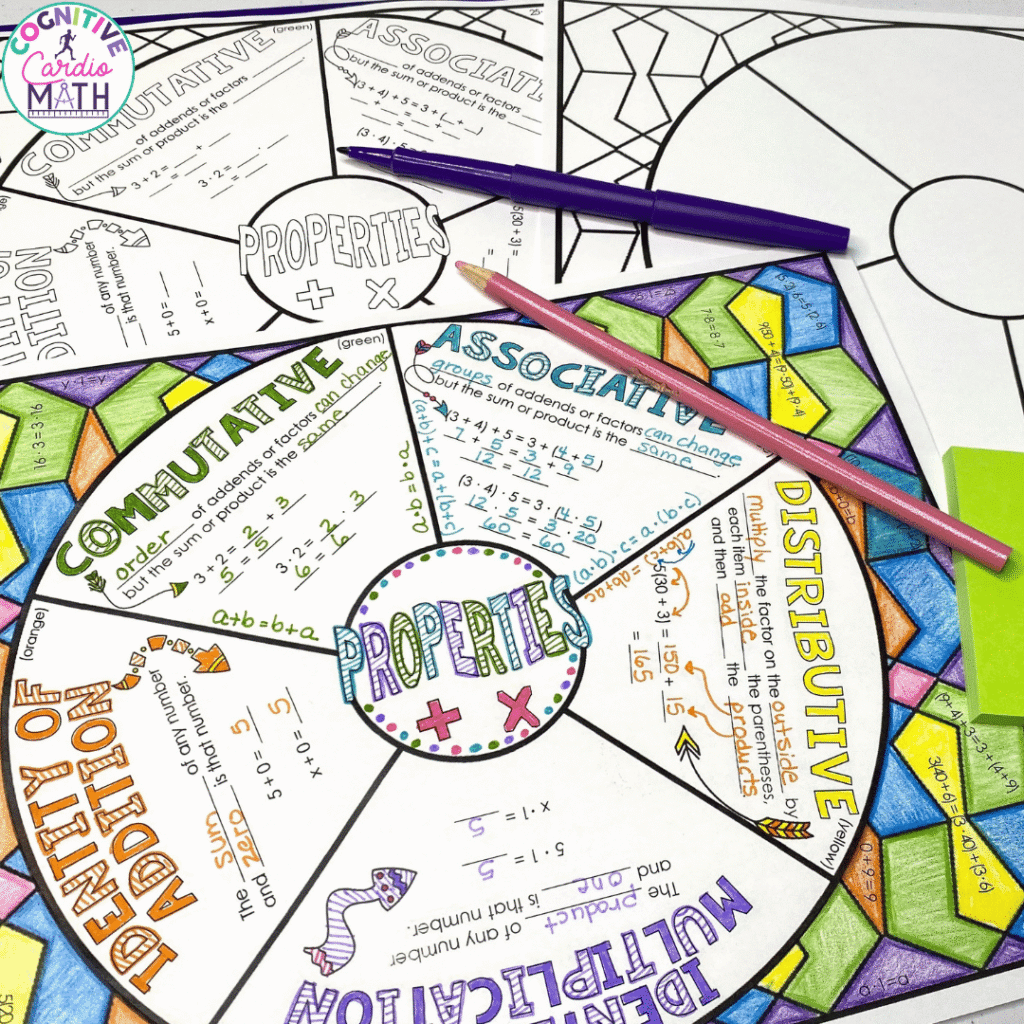
When I taught these concepts, I noticed that although students already used the properties, they didn’t really realize it or name it that way. They might rearrange factors during multiplication or break apart numbers mentally, but they couldn’t explain why their strategy worked. The wheel helped connect those strategies to formal math vocabulary.
Summer school lesson plans often focus heavily on procedural review, but conceptual understanding matters just as much. This wheel gives your students opportunities to see how math ideas connect. As your students begin recognizing these patterns, they often gain confidence because math starts to feel more predictable and understandable.
Reviewing Order of Operations in Summer School Lesson Plans
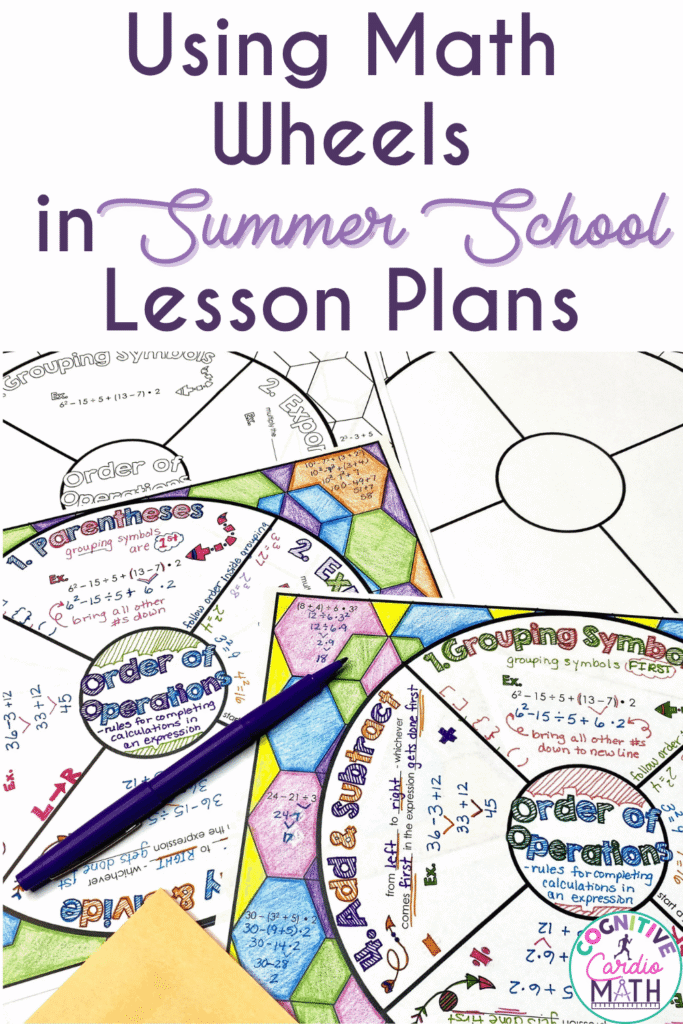
Order of operations is another skill students frequently forget over summer break. Many remember hearing ‘PEMDAS’ or ‘GEMDAS,’ but struggle to apply it correctly when solving actual problems. Summer school provides an excellent chance to revisit these procedures before your students encounter more complex expressions in future grades.
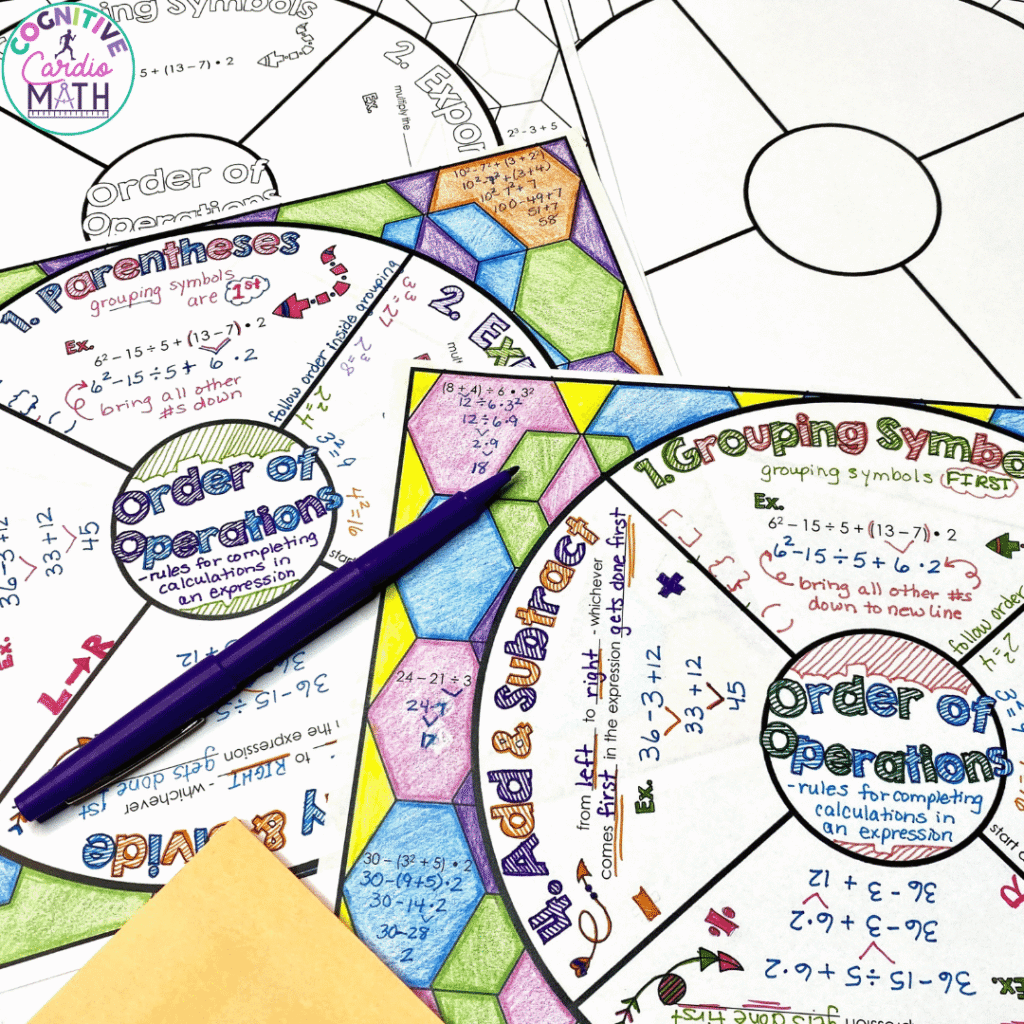
The Order of Operations Math Wheel organizes the process into clear sections. Some sections focus on grouping symbols, exponents, multiplication and division, and addition and subtraction. Rather than presenting everything at once, the wheel breaks the concept into manageable pieces.
I often found that students became overwhelmed because they tried to remember every step simultaneously. The visual structure of the wheel helped them slow down and focus on one part of the process at a time. As they practiced, they could easily refer back to previous sections whenever they needed support.
This wheel works particularly well in your summer school lesson plans because your students can continue using it throughout the session. Whether it stays in a notebook, hangs on a classroom wall, or serves as a reference during independent practice, the wheel provides ongoing support.
Helping Your Students Feel Successful
The most important goal of summer school lesson plans is not simply covering content. It’s helping your students believe they can be successful in math. Many of your students arrive at summer school carrying frustration from previous experiences. They may feel embarrassed about needing extra support or discouraged by past struggles. Those emotions can become barriers to learning if we are not intentional about building confidence alongside academic skills.
One thing I appreciate about Math Wheels is that they naturally break larger concepts into smaller pieces. Students can see their progress as they complete each section. Instead of staring at an entire page of problems, they focus on one task at a time.
By the end of the lesson, students have something tangible that represents their learning. They can hold their completed wheel, review what they’ve accomplished, and use it as a resource moving forward. Those small moments of success matter, especially during summer school when your students need encouragement as much as they need instruction.
Build Stronger Summer School Lesson Plans With Low-Prep Math Resources
If you’re creating summer school lesson plans, having engaging review resources can make your job much easier. Summer school often moves quickly. Your students may enter your classroom with a wide range of strengths and learning gaps. Having flexible resources available allows you to meet those varying needs while keeping your students engaged.
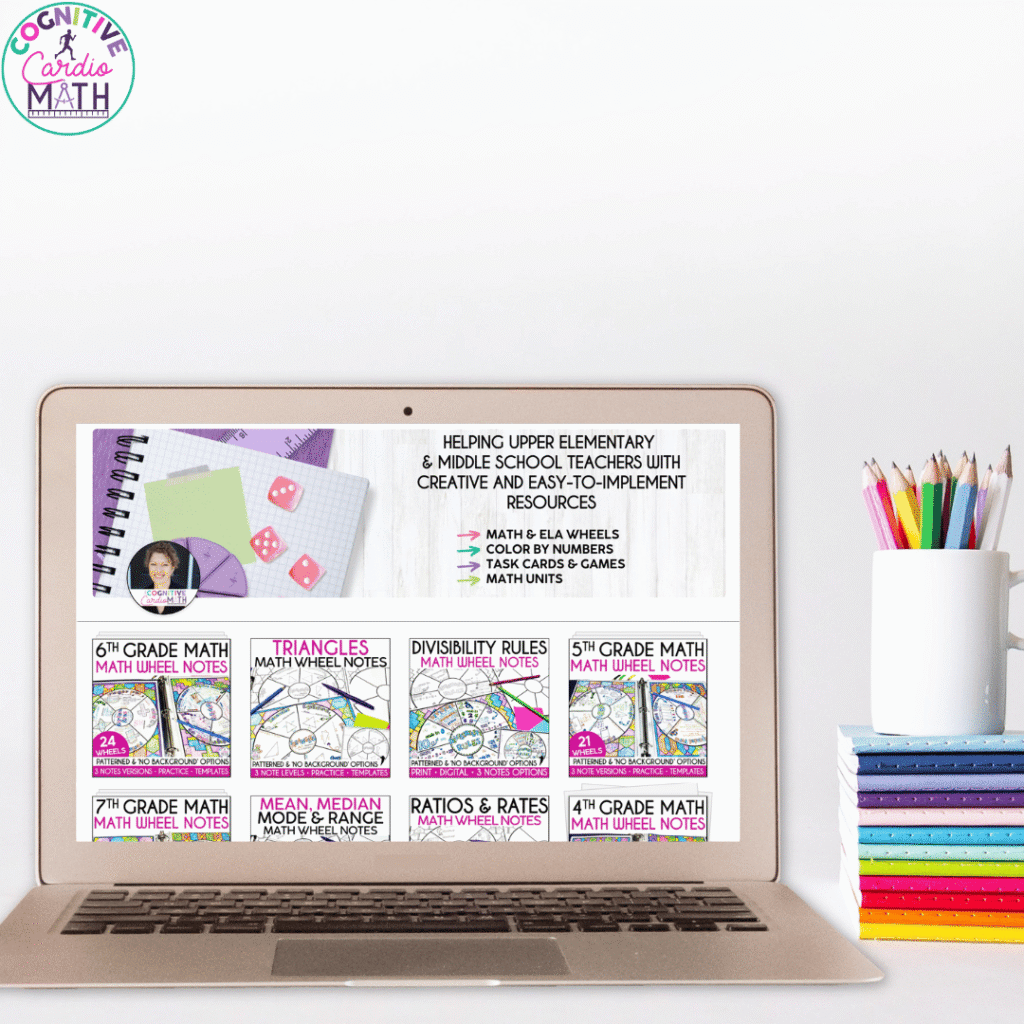
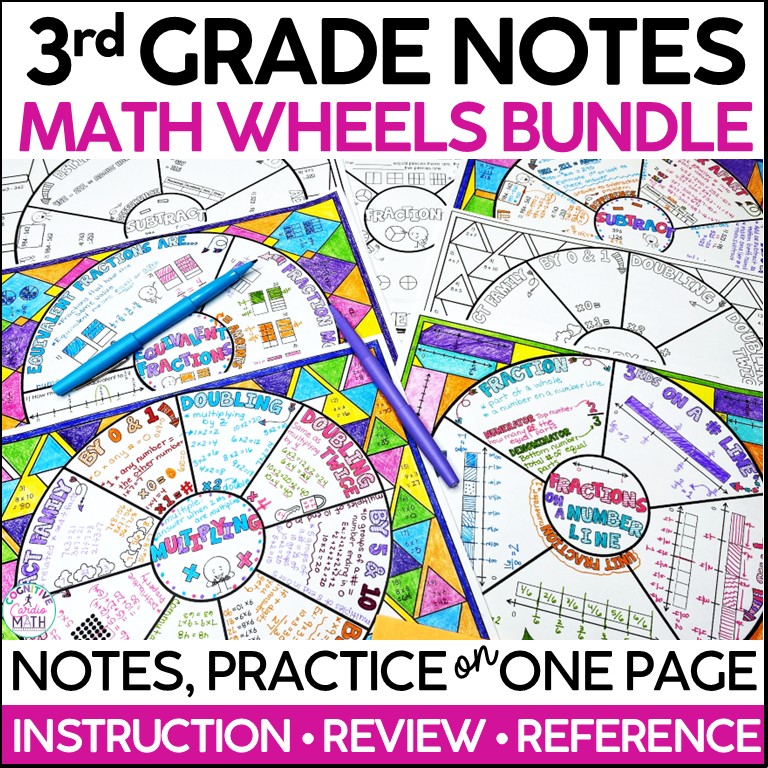
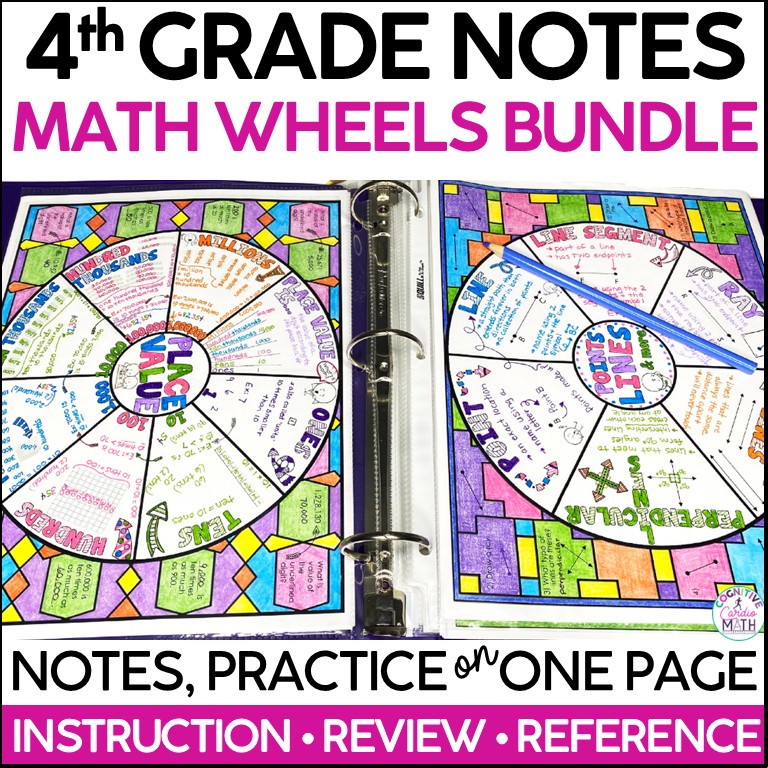
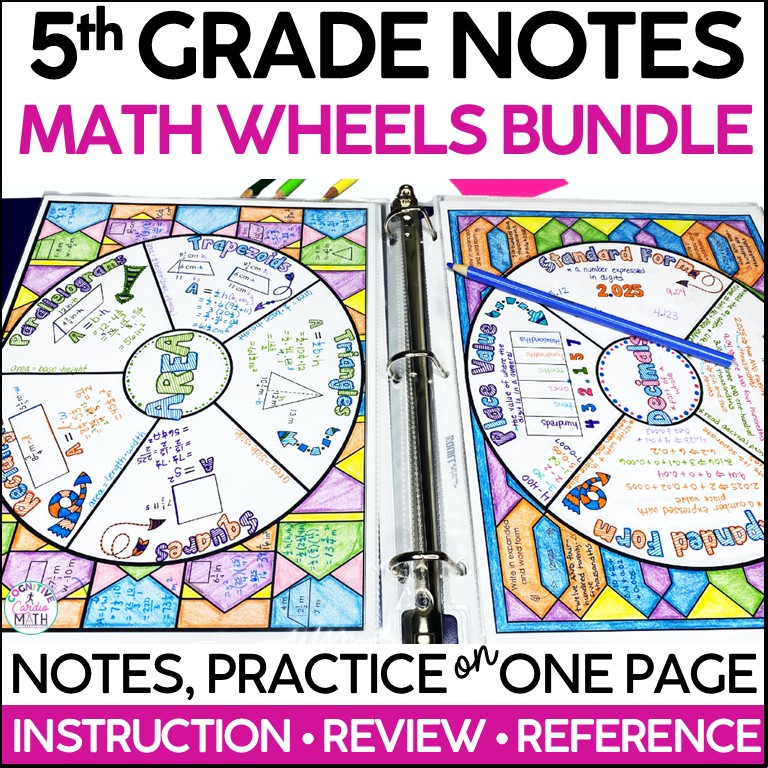
My collection of math wheels includes resources for multiple grade levels and math concepts. Whether your students need support with multiplication facts, divisibility rules, order of operations, fractions, geometry, number sense, or other foundational skills, you can find wheels that align with your summer curriculum and review goals.
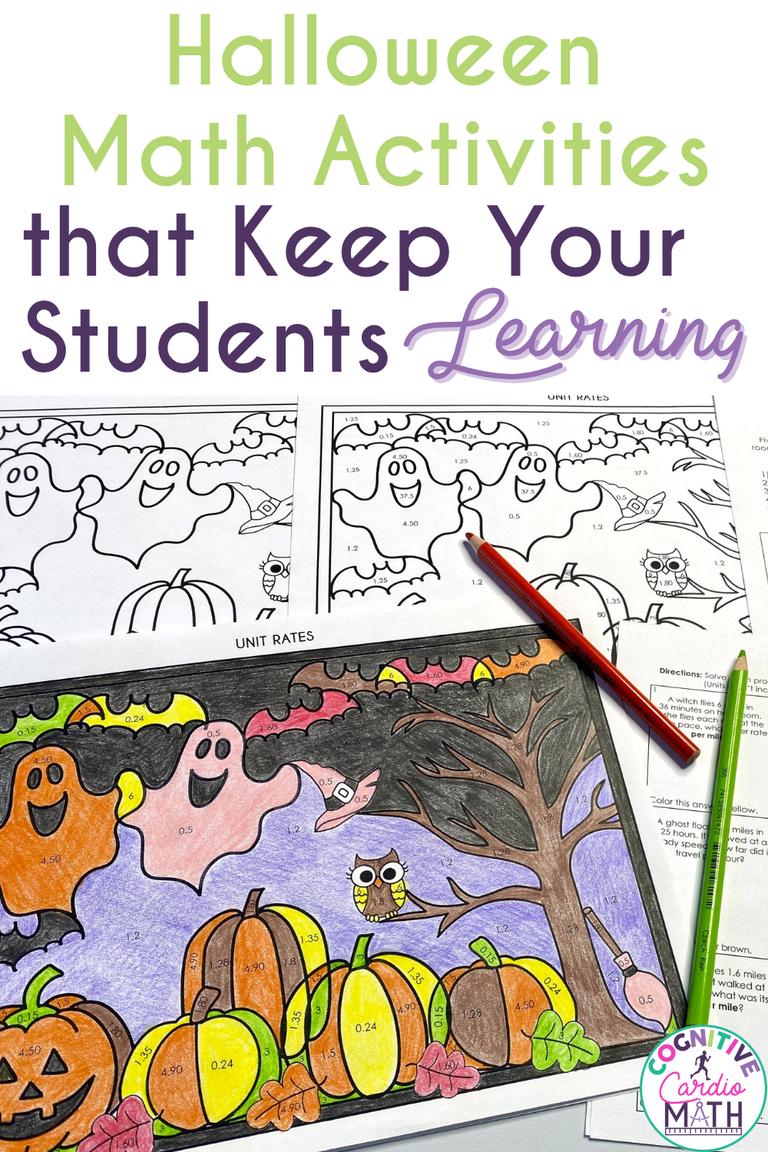
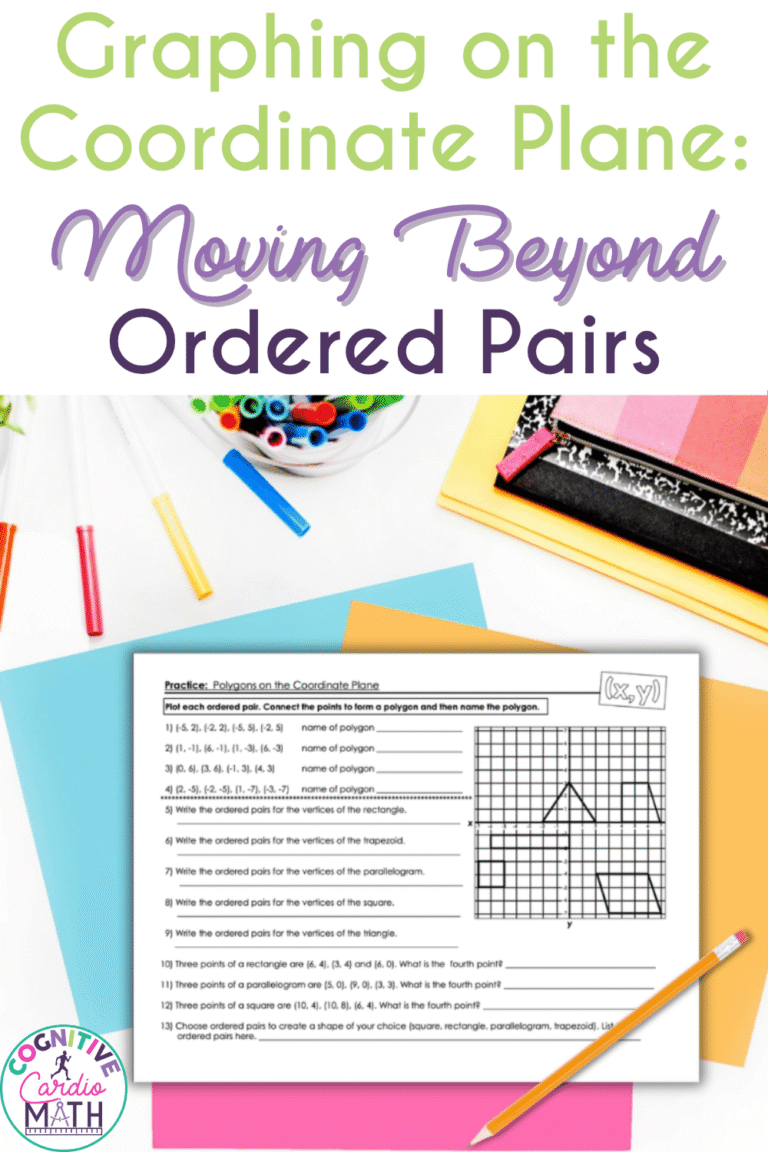
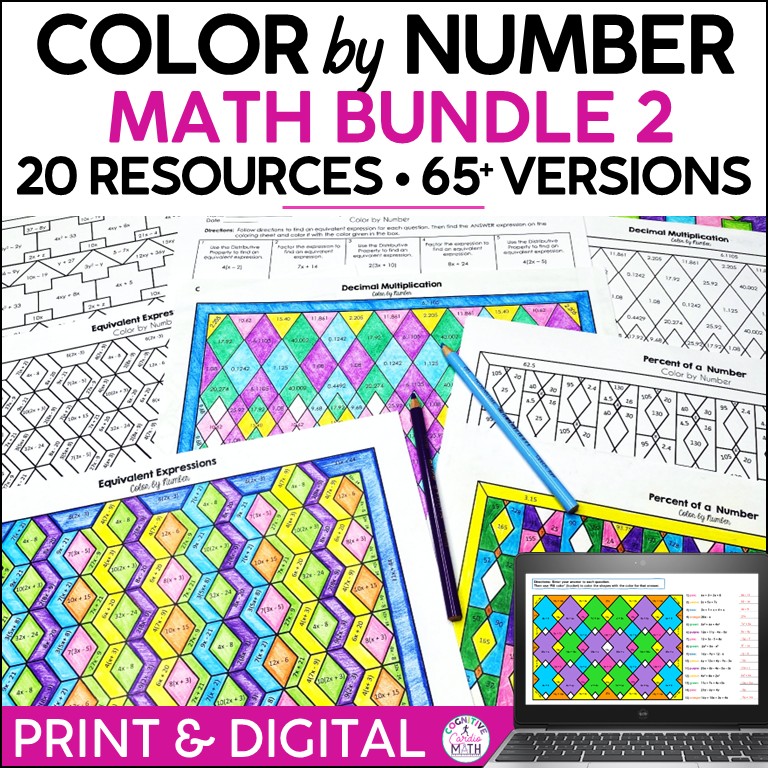
You can also explore grade-level bundles for upper elementary and middle school math concepts. You’ll also find categories for resources that match the skills your students need most. In addition to Math Wheels, you will find task cards, review activities, color-by-number resources, centers, games, and complete units that help reinforce important concepts while making math more approachable for students.
Summer school lesson plans do not have to rely on endless worksheets and repetitive drills. With the right resources, you can create learning experiences that help your students strengthen skills, avoid summer slide, and build confidence before the next school year begins!
Save This Post
Planning summer school lesson plans can feel overwhelming, especially when your students have different learning needs and skill gaps. Save this post so you can revisit these Math Wheel ideas when planning review lessons, intervention groups, math centers, or summer learning programs.