When introducing division in 3rd grade, it’s important to set a strong foundation that will help your students truly understand what division means, not just how to solve problems. This is often the first time students encounter division as a formal operation, so the way the concept is introduced can make all the difference. Using visuals, hands-on activities, and connections to real-life situations helps make the process less intimidating and far more engaging.
By building lessons that include multiple ways to see and practice division, equal groups, repeated subtraction, arrays, and connections to multiplication, your students can develop a deep, flexible understanding that will serve them well in later grades. Pairing these approaches with interactive tools, such as math doodle wheels, ensures that the learning sticks.
Laying the Groundwork for Introducing Division

Before your students dive into solving equations, they benefit from building a clear mental picture of what division represents. This can start with everyday scenarios, such as splitting a set of markers between classmates, arranging chairs into equal rows, or dividing a pile of books evenly between tables. These tangible examples give your students an anchor for understanding that division is all about “fair sharing” or “equal grouping”.
Another key part of introducing division is showing your learners that there’s more than one way to think about it. While equal groups might be the easiest entry point, connecting division to repeated subtraction and multiplication relationships right from the start helps them see how the operations work together. For example, when your students understand that 20 ÷ 4 is asking how many groups of 4 can be made from 20, or how many times can you subtract 4 from 20, they can make sense of division in a completely different way.
It’s also helpful to give your students time to talk through their thinking. Partner discussions, math journals, and small-group sharing allow them to explain their reasoning, compare strategies, and hear how others approach the same problem. This builds confidence and encourages flexibility in problem-solving. Those are two skills that make division less of a mystery and more of a skill they can master.
Using the Division Math Doodle Wheel for Introducing Division
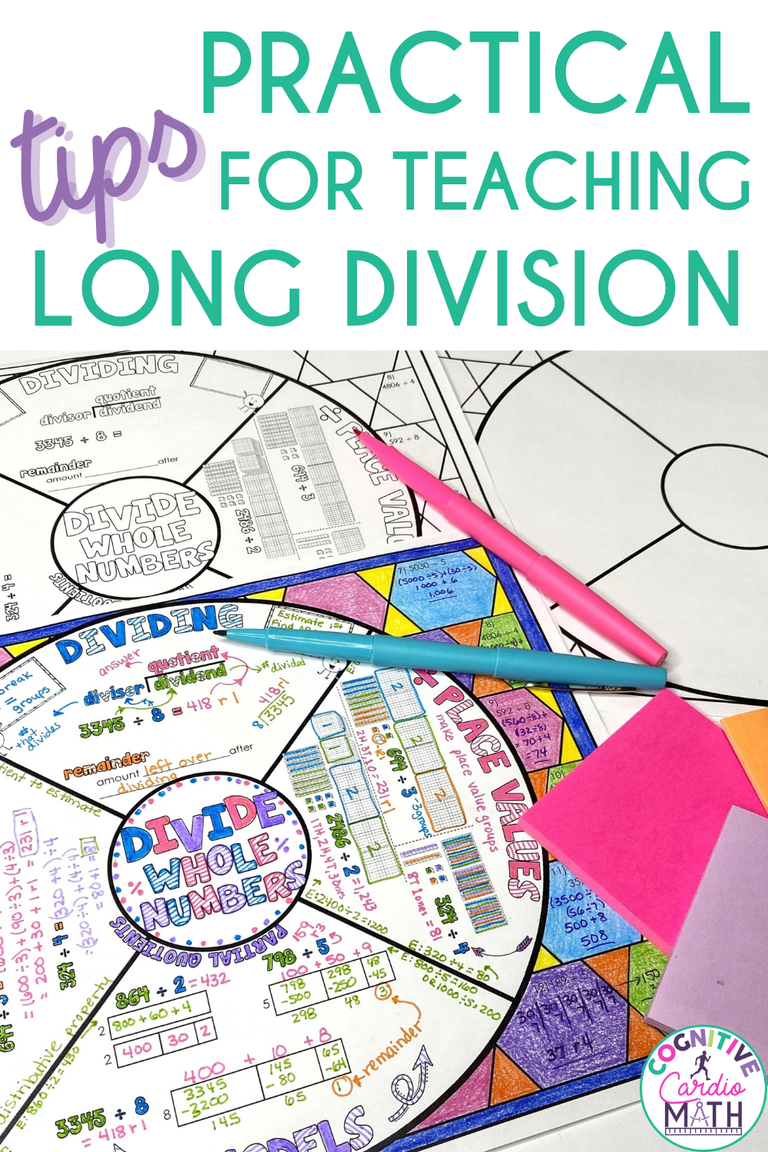
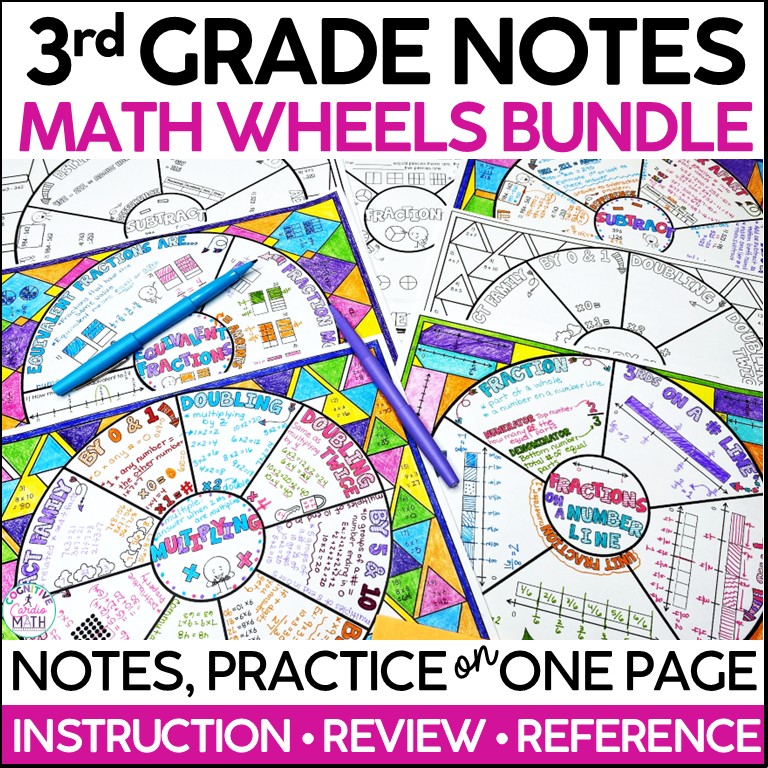
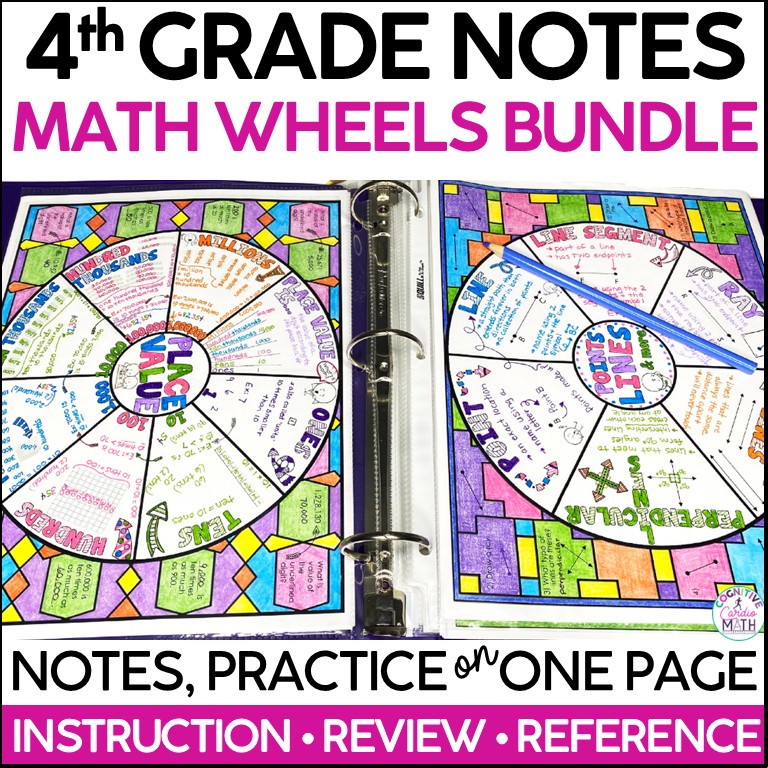
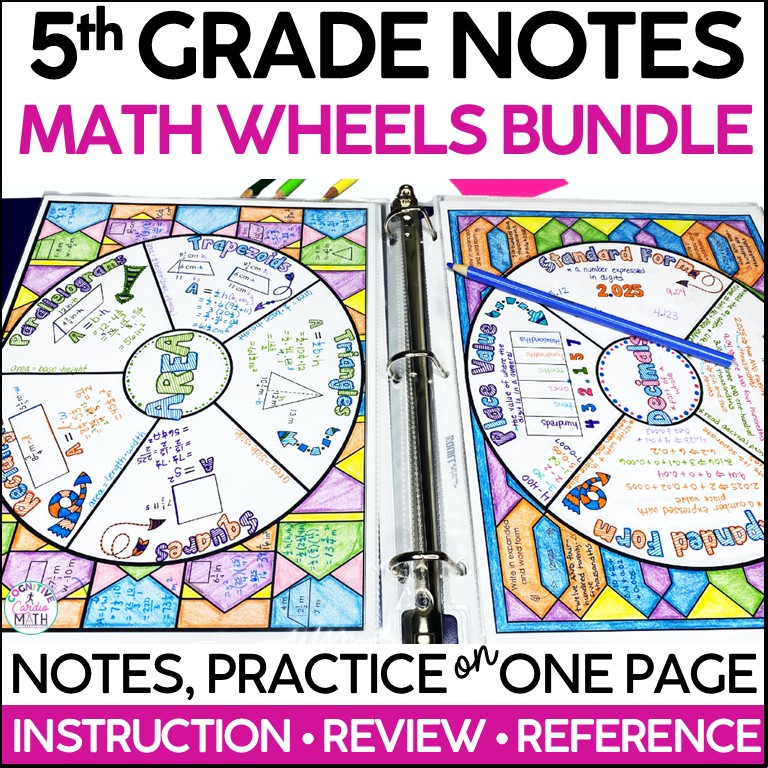
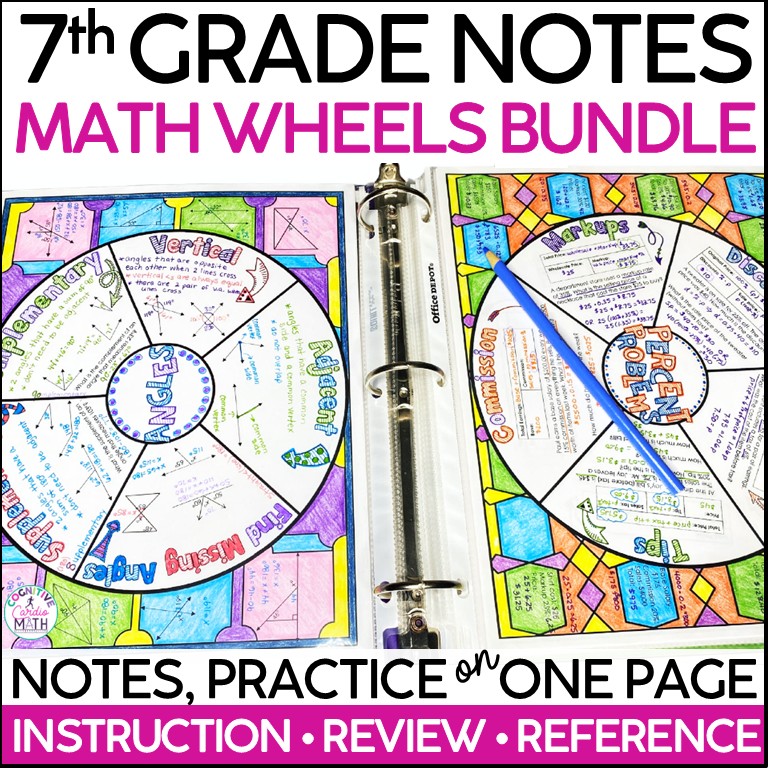
My Division Math Doodle Wheel is an engaging tool that breaks division into approachable sections. Each section focuses on a different way to think about the operation. This visual organizer helps your students see connections between strategies while keeping their notes and examples in one place. It’s designed so your learners can work through one or two sections a day. This makes it perfect for introducing division step by step or reviewing after lessons have been taught.

Each section of the wheel focuses on a specific concept: equal groups, repeated subtraction, arrays, the opposite of multiplication, and unknown factors. You start with the equal groups section by drawing shapes into different notebooks to show how 20 items can be split into four equal groups. In the repeated subtraction section, your students subtract groups until they reach zero, seeing firsthand how this connects to division. The arrays section turns numbers into visual rows and columns. The opposite of multiplication and unknown factor sections build understanding of the relationship between multiplication and division.
One of the benefits of math doodle wheels is their flexibility. Students can use them as guided notes during a lesson, for independent practice, or as a review before a test. Your students can keep their completed wheels in their math notebooks or binders as personal anchor charts for quick reference. The coloring and doodling elements make the work feel creative instead of intimidating. Plus, it helps your students to retain the information more easily. This combination of structure, creativity, and multiple representations makes doodle wheels a powerful tool for introducing division.
Activities That Reinforce Division Concepts

Once you introduce your students to the core division strategies, hands-on activities can help reinforce their understanding. Manipulatives like counters, linking cubes, or even small classroom items such as erasers or paper clips work well for building and breaking apart groups. These materials make the process concrete and allow your students to physically move items as they solve problems.
Games are another great way to make division practice more engaging. Matching games with division and multiplication facts help strengthen the connection between the two operations. Board games or digital activities, where your students solve division problems to advance, add a layer of friendly competition that keeps them motivated.
Writing and solving word problems is also a valuable reinforcement activity. When your students create their own problems, they show they understand how division works in everyday life. These word problems can be shared with partners or with the class to solve. They give everyone a chance to think about division from different perspectives while creating student buy-in.
Building Confidence In Students When Introducing Division

For many of your students, division is one of those skills that can feel overwhelming at first. Breaking the concept into smaller parts and celebrating each success along the way can make a big difference. When your students realize they can solve an equal groups problem or figure out a missing factor, they start to see themselves as capable math learners.
Positive reinforcement, whether through verbal praise, stickers, or small classroom rewards, helps keep their motivation high. Encourage your students to explain their thinking, rather than just focusing on getting the right answer. This builds both their confidence and their ability to reason through problems.
It’s also important to revisit division concepts regularly, even after moving on to other math topics. Quick review activities, warm-ups, or math center games ensure the skills stay fresh. This helps your students retain what they’ve learned over the long term.
Ready to Take Division to the Next Level?

Have you decided it’s time to make division less intimidating for your students? Grab the Division Math Doodle Wheel in my TPT store today—it’s the perfect tool to help your kids see division in multiple ways and feel confident from the start!
If you’re looking for more ways to review division or challenge your students with new strategies, be sure to check out the additional resources in my TPT store. You’ll find engaging materials that help reinforce the concepts from these lessons and give students the practice they need to grow their skills. There’s something for every stage of learning.
Make Division Approachable
Introducing division in 3rd grade is all about making the concept clear, approachable, and even a little fun. By combining real-life examples, multiple strategies, hands-on activities, and tools like the Division Math Doodle Wheel, your students can develop a strong understanding that will serve them well in more advanced math. When division is introduced with intention and creativity, it becomes less of a hurdle and more of an exciting step in your students’ math journeys!
Save for Later
Want to have these tips and activities for introducing division ready when you need them? Make sure to save this post so you can come back to it anytime. Pin it to your favorite math board or bookmark it so it’s only a click away.