You’re in the middle of a math lesson, and one of your students confidently blurts out, “Oh, I know a trick for this!” At first, you feel like this is a win because they are engaged, remembering something, and eager to solve the problem. You might even feel a little relieved thinking they are catching on. Then you look closer at their work and realize something is off. The answer is wrong, the steps don’t make sense, and the reasoning is unclear. Suddenly, you realize the math “trick” and other shortcuts they are using are actually getting in the way of real understanding.
Math tricks and shortcuts can feel like a quick fix, especially when our students are struggling to grasp a concept. They give our students something to hold onto. They are something that makes math feel easier and more manageable in the moment. As teachers, it can be tempting to lean into those strategies because we want our students to feel successful. However, these shortcuts often skip over the “why,” which is where meaningful learning happens. Without that deeper understanding, our students are simply following steps without making connections. Over time, that lack of understanding creates bigger challenges.
Why Math Tricks and Shortcuts Can Be Misleading
Math tricks can sometimes create the illusion of understanding without actually building it. A student might memorize a catchy phrase, a rhyme, or a set of steps that seems easy to follow. In the moment, it looks like they know exactly what to do. However, when asked to explain their thinking, they often struggle to explain why the steps work. This is because the idea has been memorized rather than comprehended. Without that deeper layer of understanding, our students are left with gaps in their learning.

I saw this often with multi-digit multiplication and fraction operations in my classroom. I would have students who clung to a shortcut they had learned previously, even when it no longer applied to the new problem. Instead of adjusting their thinking, they tried to force the trick to work because it felt familiar. This often led to repeated mistakes and made it harder for them to recognize where things went wrong. It also made reteaching more challenging because the misconception had already taken root. Once you have a student who believes a trick is the “right way,” it takes time and intentional support to help them move past it.
When our students rely too heavily on math tricks and shortcuts, the impact goes beyond a single lesson. At first, they may get through a few problems correctly, which can make it seem like the strategy is working. Over time, though, those gaps in understanding start to show up more consistently. Your students may struggle to apply the concept in new situations or explain their reasoning clearly. This can lead to confusion, hesitation, and a loss of confidence in their abilities. These patterns remind us that quick fixes do not always lead to long-term success.
What Happens When Students Rely on Math Tricks
Another thing I noticed in my classroom was how quickly my students would get stuck when the trick failed. If the shortcut did not work exactly the way they expected, they had no backup plan. Without a stronger foundation of the math concept, they struggled to adjust their approach. This made problem-solving feel overwhelming and frustrating for them. They would often give up more quickly because they did not know what to try next. These moments highlighted for me the importance of giving my students multiple strategies.

This reliance on math shortcuts can impact student confidence in a significant way. Our students will begin to doubt themselves because their strategies are not consistently working. What once felt easy suddenly feels confusing and unpredictable. Instead of feeling capable, they start to feel unsure. This shift in mindset can affect their overall attitude toward math. Helping our students build confidence starts with helping them truly understand the concepts.
One thing I always watched for was students giving the correct answer but not being able to explain how they got it. That was often a sign they were relying on a math trick instead of understanding the concept. I also paid attention to my students who made the same type of mistake repeatedly, especially when the problem format changed slightly. These patterns helped me identify when a shortcut was causing confusion. Once you start noticing these signs, it becomes much easier to address them early.
When Math Shortcuts Can Actually Be Helpful
Now, this does not mean all math shortcuts are bad or should be avoided completely. There is a time and place for them, especially when your students have already developed a strong understanding. In those cases, shortcuts can help improve efficiency and fluency. They can make problem-solving quicker and more flexible. The key is making sure understanding comes first, before introducing any shortcuts. Without that foundation, shortcuts lose their effectiveness.

Once your students understand place value and how numbers are composed, certain mental math strategies can be incredibly helpful. At that point, a shortcut is not replacing understanding; it is building on it. Your students are able to use the strategy because they understand why it works. This allows them to apply it more flexibly in different situations. It also helps them make connections between different math concepts. When used correctly, shortcuts can enhance learning rather than work against it.
The difference really comes down to how and when the shortcut is introduced. When you teach math shortcuts as an extension of learning, your students are more likely to use them appropriately. They see them as tools rather than rules they must follow. This encourages flexibility in their thinking and problem-solving. It also helps prevent the formation of misconceptions. Being intentional with how you introduce shortcuts makes a big difference for your students.
How to Move Beyond Math Tricks and Shortcuts
One of the most effective shifts I made in my classroom was focusing more on reasoning and less on memorization. Instead of asking, “What is the answer?” I also asked my students how they knew that was the answer. This simple change encouraged my students to think more deeply about their work. It also opened the door for meaningful math conversations. With consistency and practice, my students began to explain their thinking and listen to others’ ideas.
Encouraging Math Talk
When I first made this shift, I kept it really simple during my lessons so it felt manageable. After solving a problem, I would ask my students to turn and talk with a partner to explain how they solved for their answer. I gave them a sentence starter like, “First I…, then I…, because…” to help guide their thinking. This only took about two to three minutes, but it made a big difference in getting my students to slow down and process their steps. As I walked around, I could quickly hear who was relying on a math trick and who actually understood the concept. That gave me immediate insight into who needed more support.

If you’re working to move your students beyond shortcuts, my Math Talk Wheel gives your students more prompts they can use to explain their thinking. With prompts like “I agree because…” and “I solved by…,” your students are able to justify their reasoning instead of relying on tricks.
Multiple Strategies and Models
I also made sure to model multiple strategies during instruction so my students could see different ways to approach the same problem. This showed my students that there is not just one way to solve a problem. Seeing different approaches helped them connect strategies and understand the concept more deeply. It also gave them options when one method did not make sense. This flexibility helped my students move away from relying on a single shortcut and take a deep breath when they realized they weren’t being forced into a single lane of thinking.

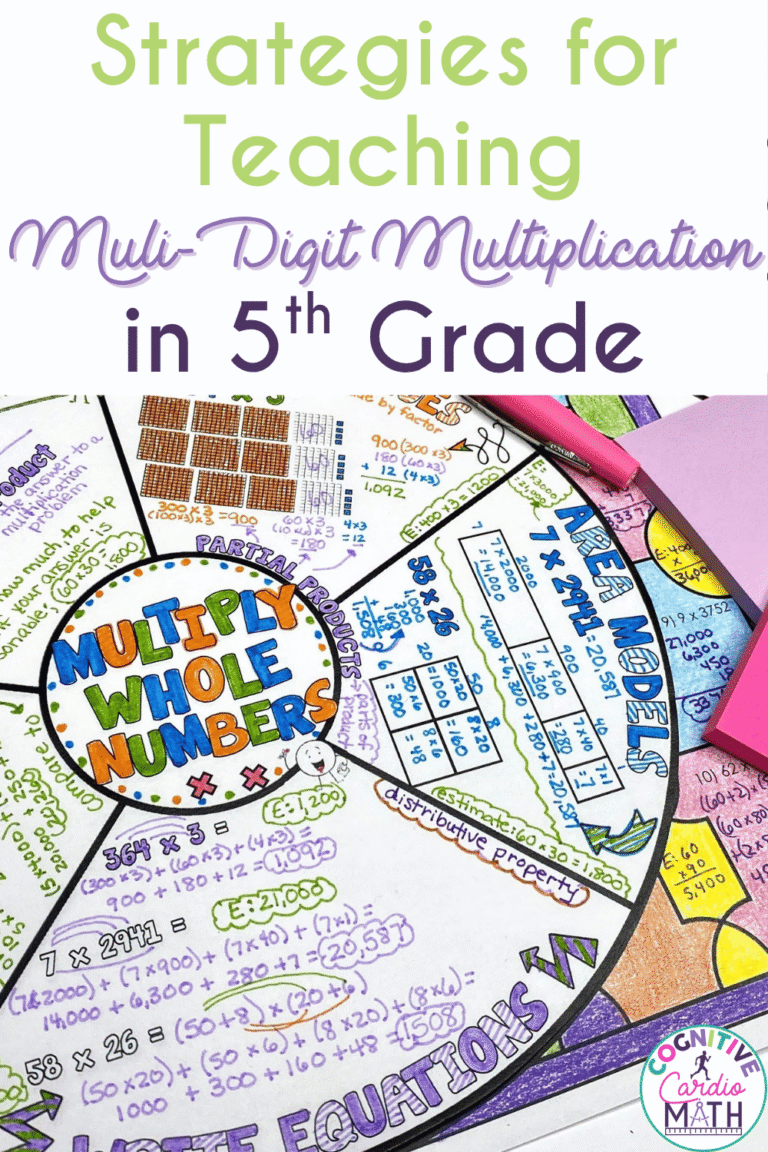
Another helpful approach is using visual models and representations to support learning. Tools like number lines, area models, and diagrams help your students see what is happening mathematically. For example, if we were solving 36 × 24, I might first model an area model and think aloud. I might say, “I’m breaking 36 into 30 and 6, and 24 into 20 and 4. Now I’m multiplying each part to see how they connect.” I would solve the same problem using the standard algorithm and ask my students, “How are these strategies the same? How are they different?”
If you are planning a 30–40 minute math lesson, this shift does not require a full overhaul of your routine. You might spend 10–15 minutes on direct instruction. Then, move into guided practice where your students solve two or three problems. During that time, you can pause and ask your students to explain their thinking or compare strategies with a partner. Even adding one intentional discussion point into your lesson can begin to move your students away from relying on tricks. These small changes build stronger habits.
Resources That Support Understanding
If you are ready to help your students move beyond math tricks and shortcuts, having the right resources can make your planning so much easier. Instead of creating everything from scratch, you can use activities that are already designed to build understanding and encourage flexible thinking. These are the types of resources I relied on in my classroom to reinforce concepts without falling back on memorized steps. They help your students stay engaged while still focusing on meaningful learning. Having these ready to go can take a lot of pressure off your planning.

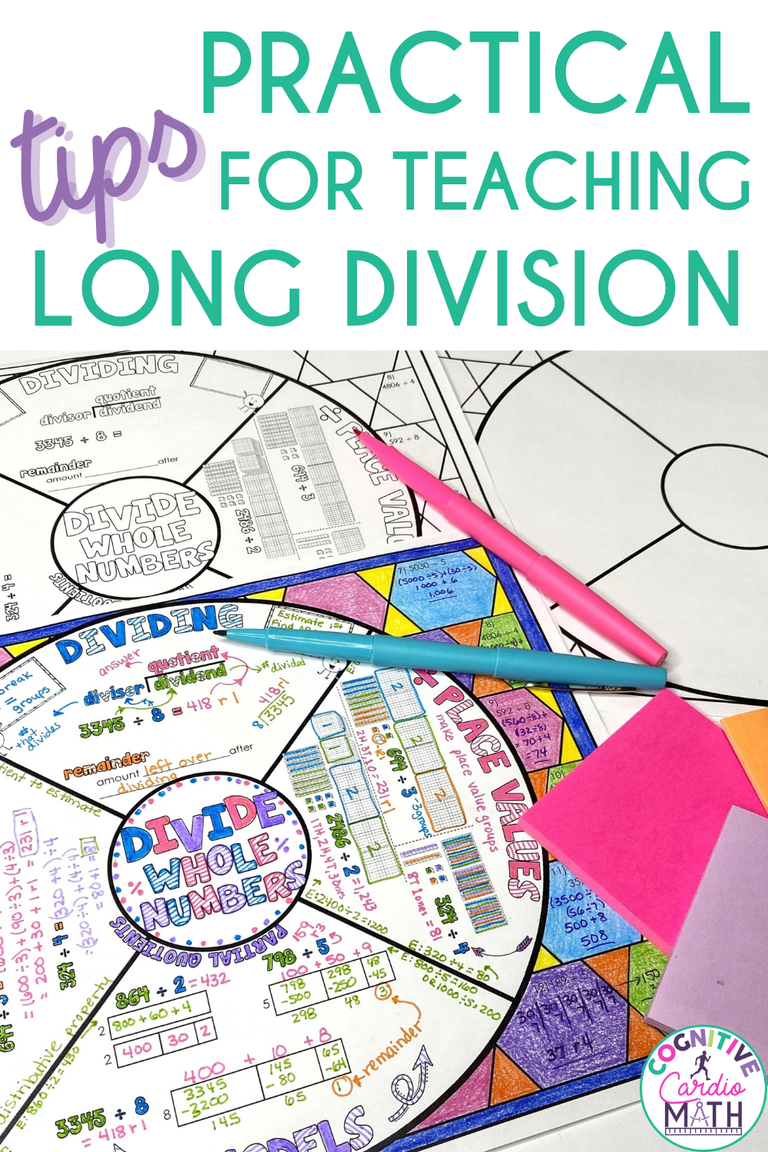
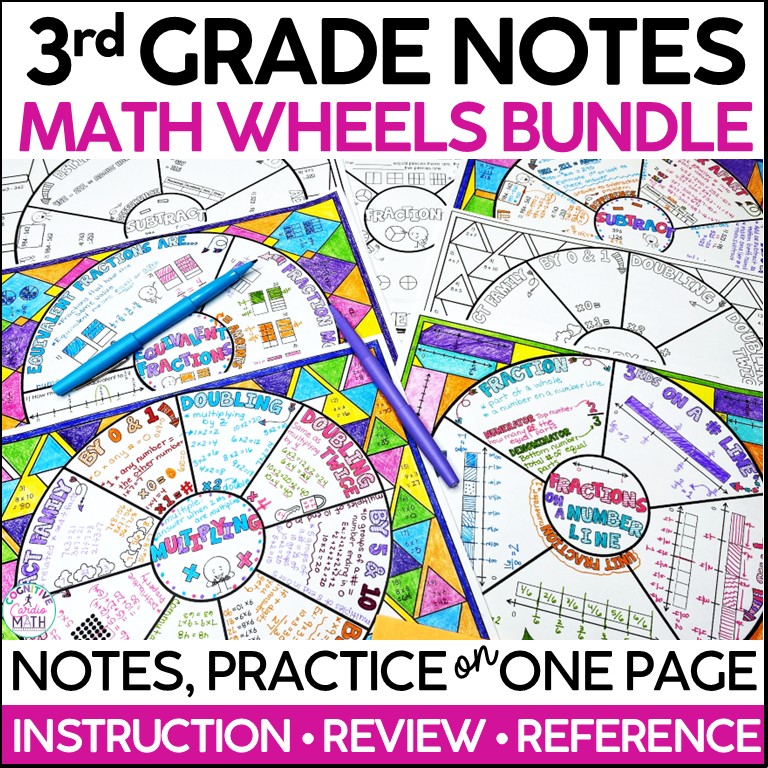
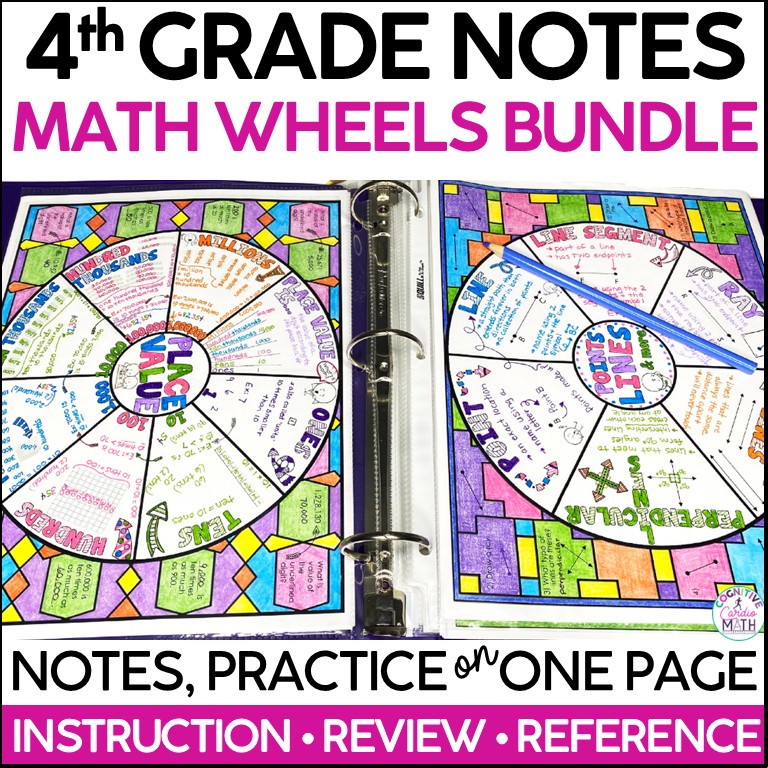
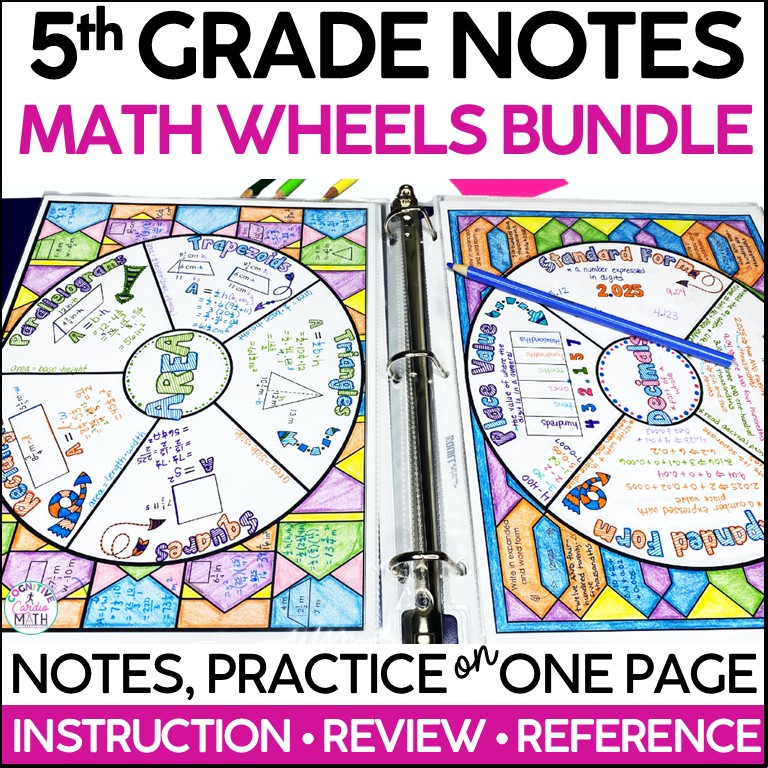
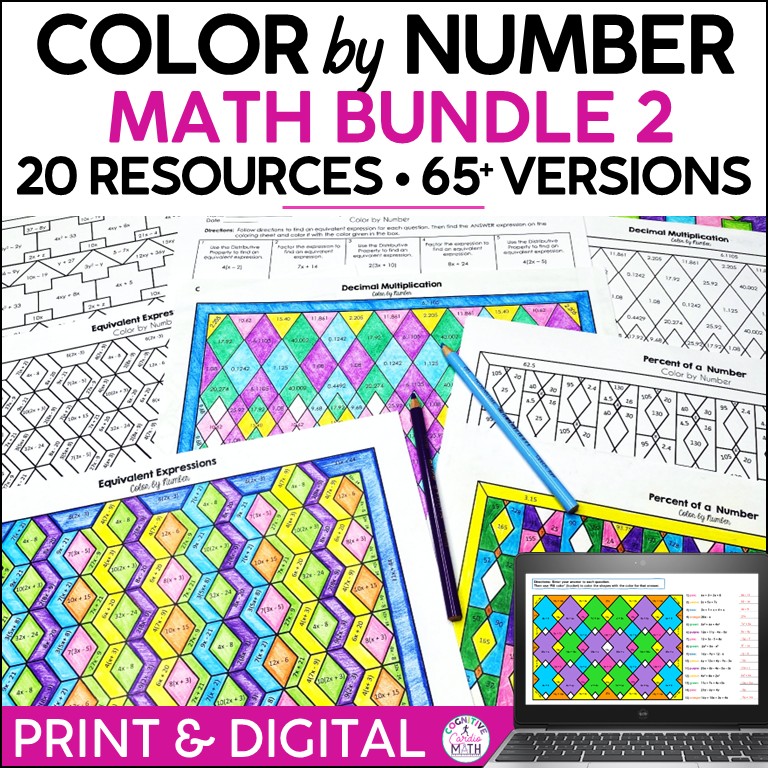
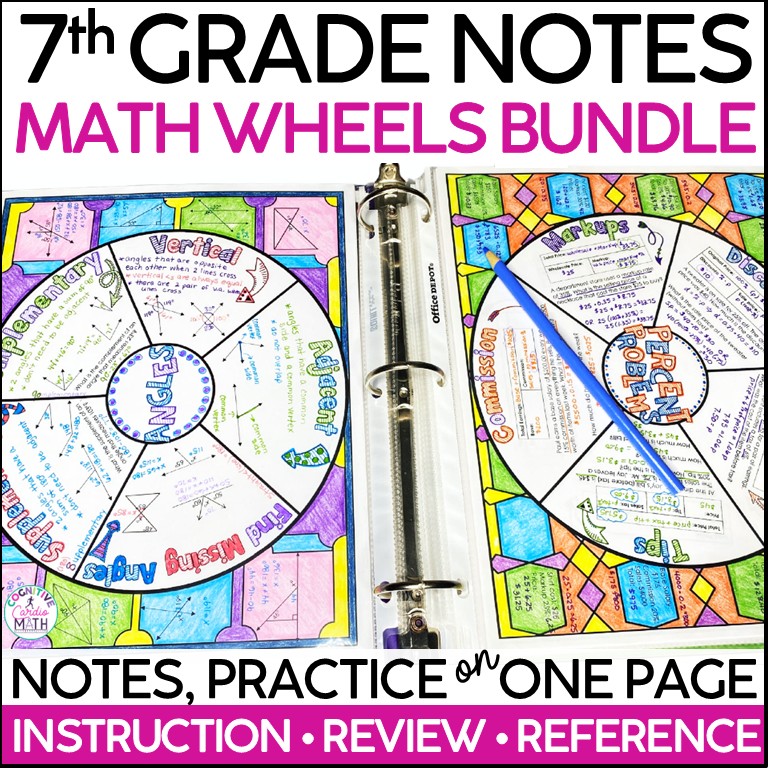
You will find that using a variety of activities keeps your students engaged while reinforcing important concepts. Math doodle wheels, Footloose task cards, and Truth or Dare review activities all provide different ways for your students to interact with the content. These types of resources encourage your students to think critically and make connections between strategies. They also allow for differentiation, which helps meet the needs of all your learners. Having a mix of resources makes it easier for you to support every student.
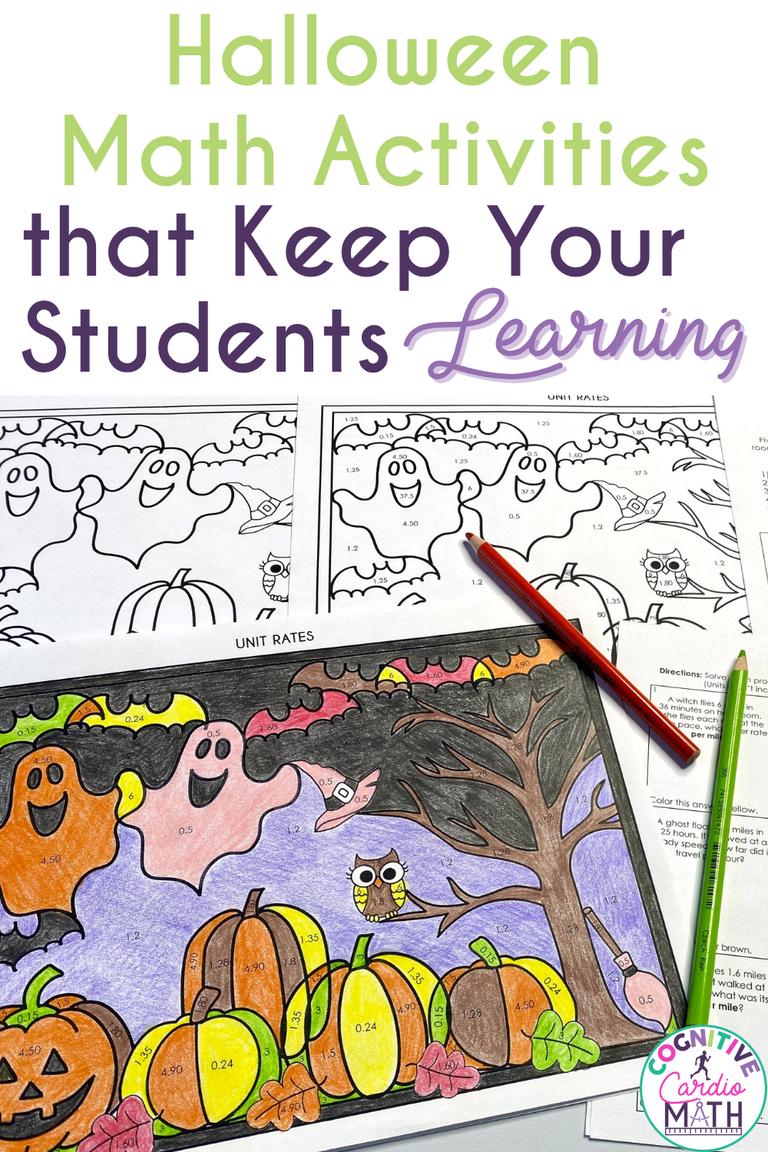
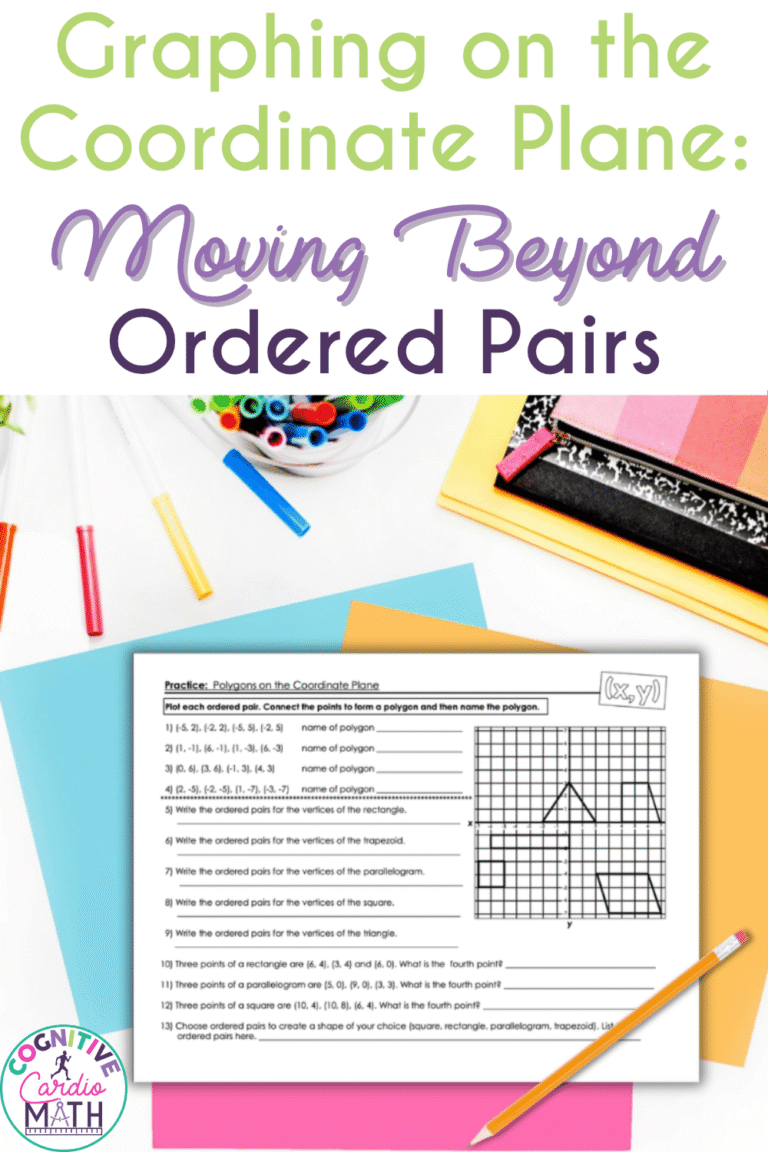
Whether you need something for review, centers, or small group instruction, having these options ready to go saves time and supports your students at the same time. These resources can be used flexibly throughout your math block depending on your students’ needs. They also make it easier to reinforce concepts without relying on math shortcuts. If you want to explore more options, check out my full collection in my TPT store.
Supporting Students Without Relying on Math Tricks
If you notice your students relying heavily on math tricks, it does not mean you need to undo everything all at once. A gradual approach is often more effective and less overwhelming for your students. Just like you and me, there is usually some resistance in the beginning when trying to break a habit. You can start by guiding your students back to the concept behind the shortcut they are using. This helps them see the connection between the steps and the reasoning. Small shifts like this can lead to big improvements in how your students approach math and express their thinking.

When one of my students used a math shortcut that led to a mistake, I avoided saying it was wrong right away. Instead, I would respond with something like, “Tell me why that works,” or “Can you show me what is happening with the numbers?” This shifted the focus from the answer to the thinking behind it. Many times, my students would realize on their own that something did not make sense. If they did not, I could guide them back to a visual model or another strategy to support their understanding.
Problems that are slightly different or allow for multiple strategies encourage your students to move beyond memorized steps. This helps your students become more comfortable trying different approaches and builds productive struggle when they encounter something unfamiliar. As your students begin to think more flexibly, it creates natural opportunities for discussion and reflection. One way to support this is to have your students “wear the teacher hat” and work through a problem on the board or explain their thinking to a small group of peers. This not only reinforces their understanding but also helps other students see multiple ways to approach the same problem.
Why Moving Away from Math Tricks and Shortcuts Matters
When we move away from relying on math tricks and shortcuts, we give our students something much more valuable than quick answers. We give them the ability to think critically and solve problems with confidence. This kind of understanding goes beyond a single lesson or unit and supports our students long-term. Strong foundations allow our students to build on their knowledge as concepts become more complex.
You will start to notice changes in how your students approach their work. They will begin to explain their thinking more clearly and use strategies more flexibly. Mistakes will become learning opportunities instead of moments of frustration. Your students will feel more confident because they understand what they are doing. That’s where you will see real growth and progress.
Helping our students move beyond math tricks and shortcuts is not always easy, but it is absolutely worth it. It requires patience, intentional instruction, and a focus on understanding over memorization. Our efforts lead to more independent and capable learners. Your students will begin to approach math with confidence instead of hesitation. Honestly, those are the moments that make all the difference.
Save for Later
If this post gave you some ideas for moving beyond math tricks and shortcuts, be sure to save it to your favorite math Pinterest board so you can come back to it later when planning your math lessons.