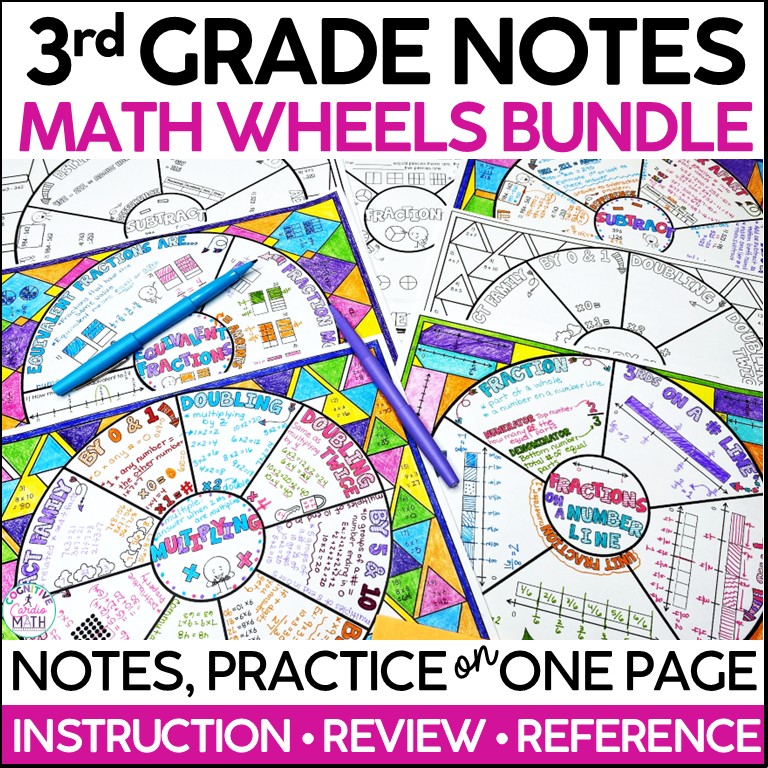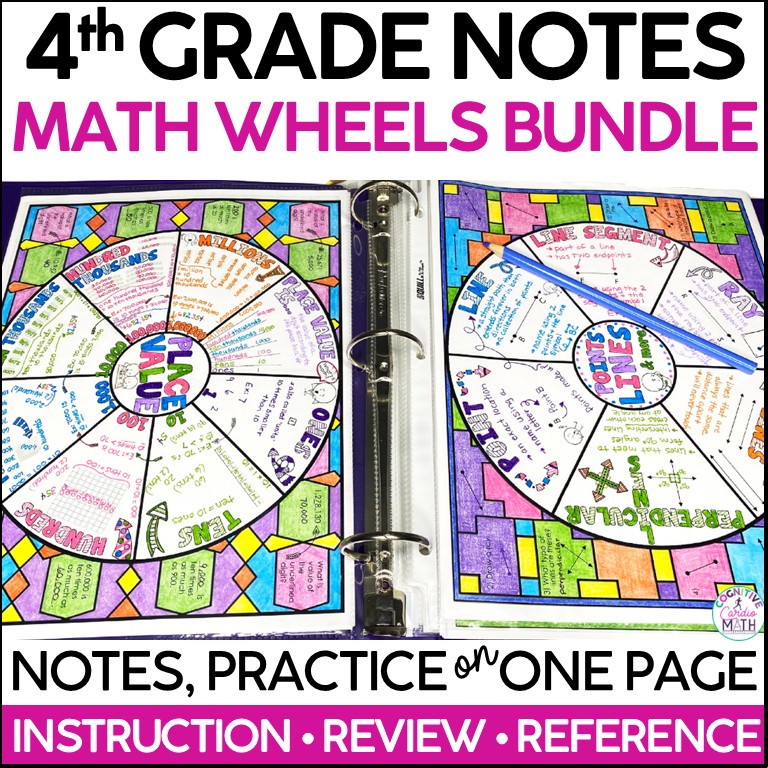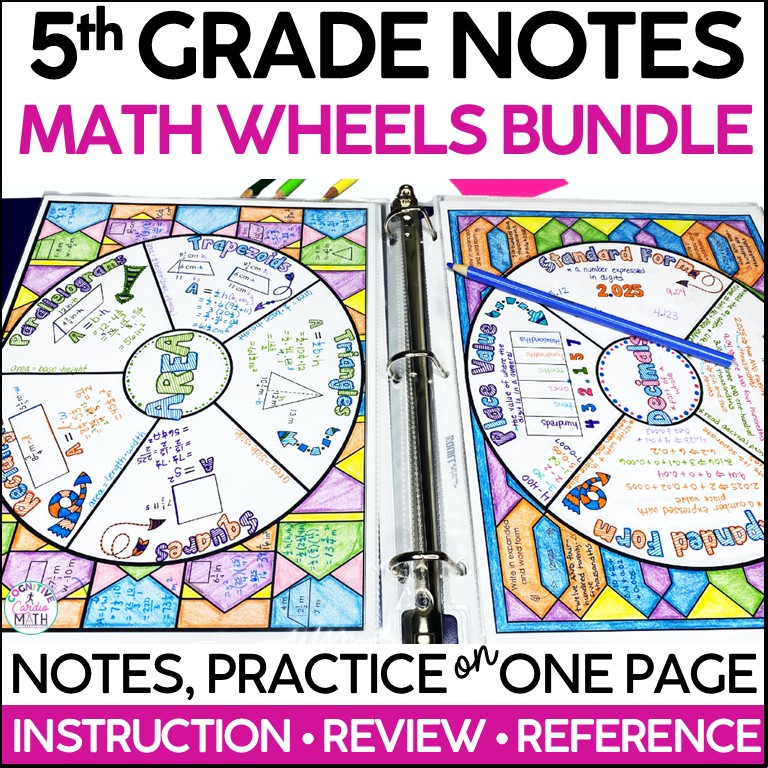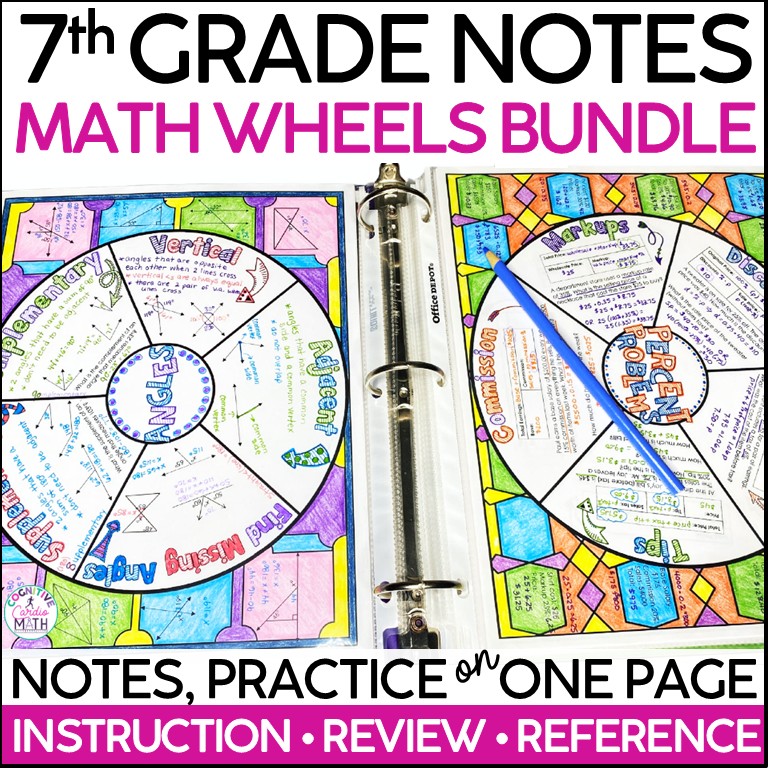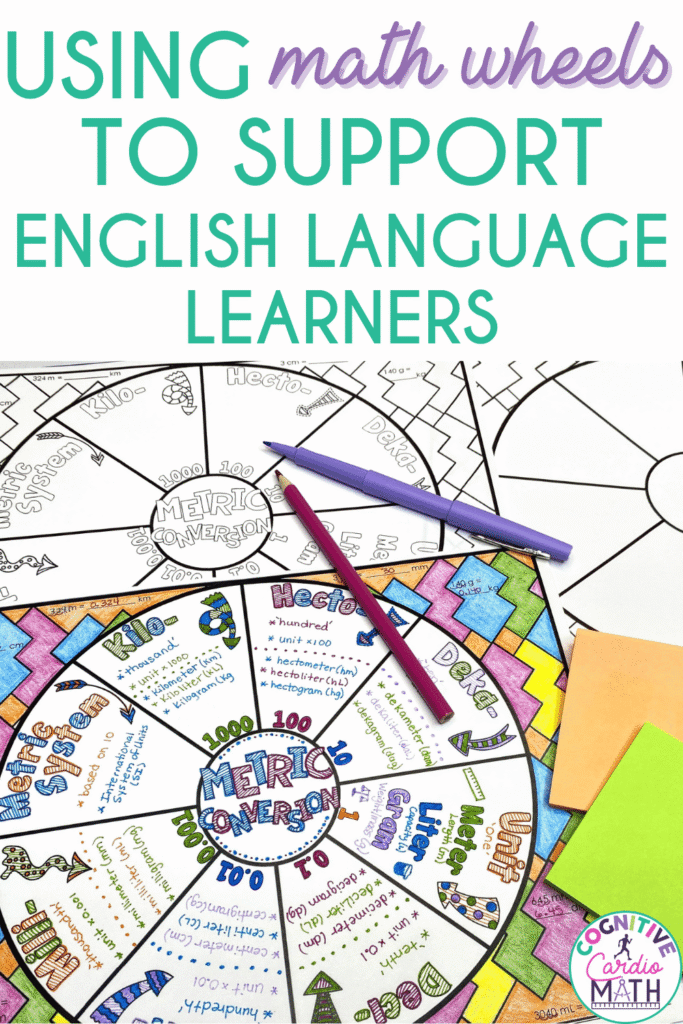
I remember looking around my classroom during a math lesson and realizing my English language learners were trying to juggle way too much at once. They were listening to directions, translating vocabulary in their heads, copying notes, and trying to understand a new math concept all at once. Some of my students would stop writing halfway through the lesson because they could not keep up with the amount of language on the page. Others understood the math during guided practice but struggled when working independently. That’s why I started leaning more heavily into visual Math Wheel graphic organizers. These graphic organizers present information in a less overwhelming way. Math wheels will quickly become one of your favorite ESL math supports. They combine notes, examples, visuals, color coding, and guided practice all in one place. Everything is together in a way that feels manageable for your English language learners.
Why Visual Structure Matters for ESL and Math
One of the biggest ways we can support our English language learners during math instruction is by reducing the language load without lowering the rigor. Many of your students understand more than they can immediately explain in English. When a worksheet or notes page feels crowded with text, it can become overwhelming before they even start solving problems. That is why visual structure matters so much during ESL and math instruction.
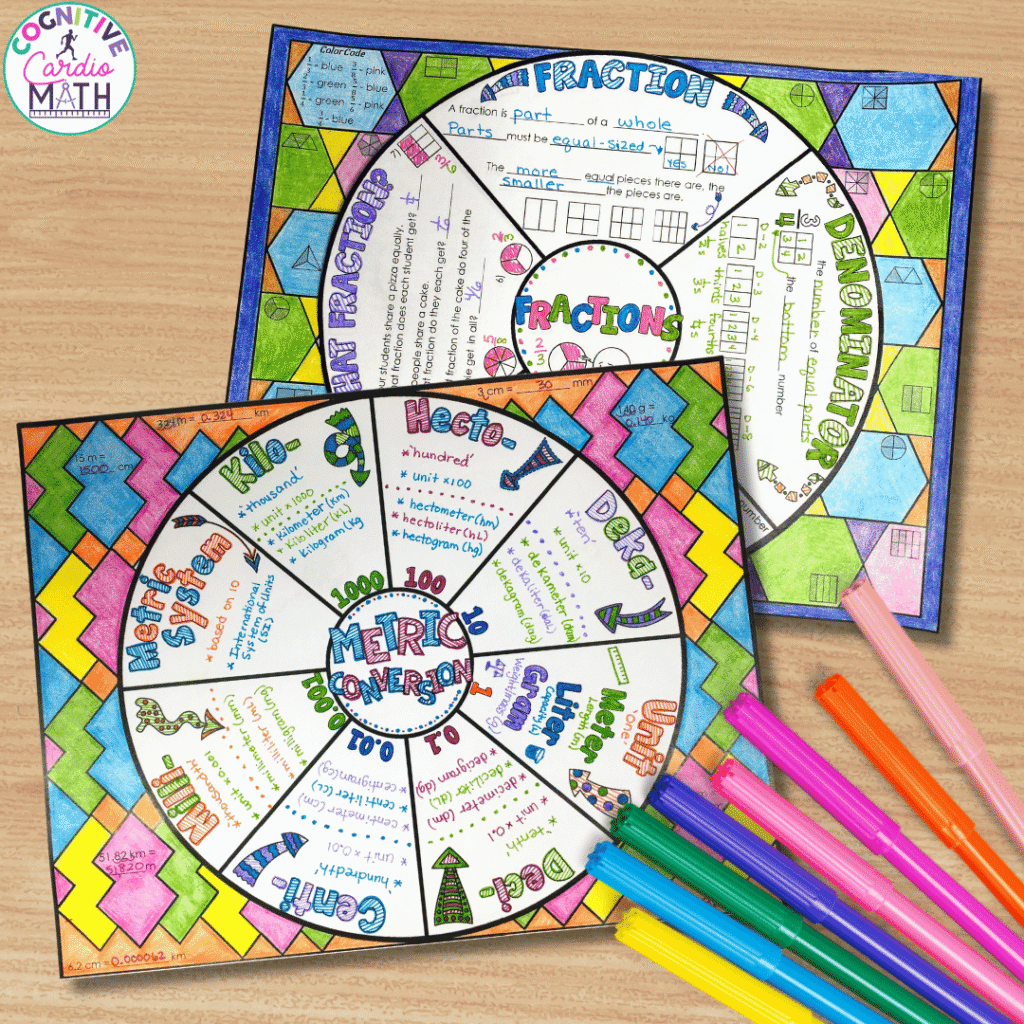
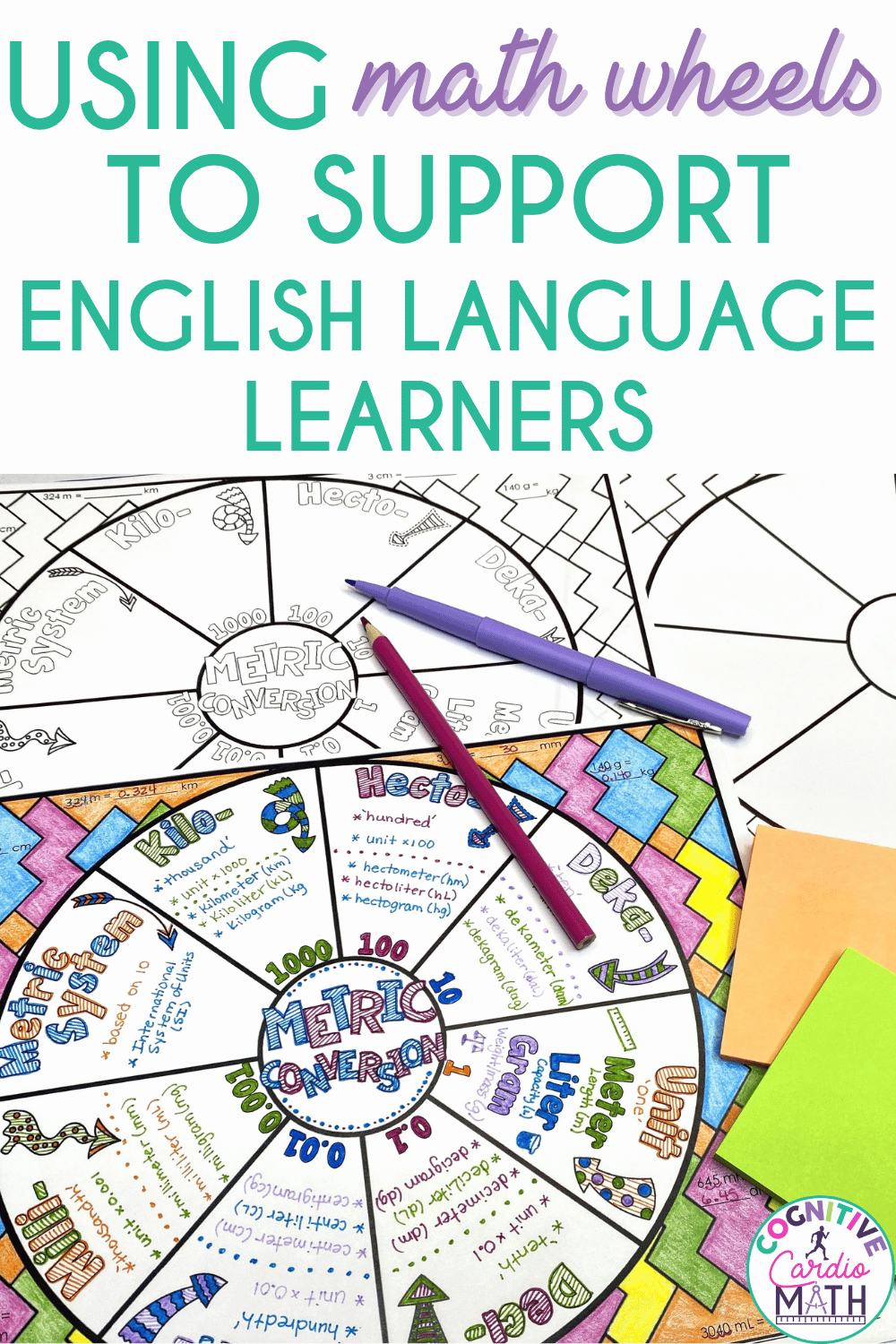
Math Doodle Wheels naturally break information into smaller sections that are easier for your students to process. Instead of reading long phrases or possibly paragraphs of notes, your students focus on one step of the concept at a time. On my Metric Conversions Math Wheel, each measurement, from kilo- to milli-, has its own section, so the information is easy to identify and understand.
The visual layout also makes it easier for your students to connect vocabulary with meaning. In my Fraction Concepts Math Wheel, your students see models, labels, fractions, and examples all together in one place. If you are introducing a new concept, you can walk through one section at a time as a class. I always found it helpful to project the wheel on the board. My students completed their own copies alongside me.
How Color Coding Supports English Language Learners
Color coding can be an effective support during ESL and math lessons. It gives your students another way to organize information visually. Even if your students are still learning academic vocabulary in English, colors help create connections that improve memory and understanding. When your students repeatedly associate certain colors with math terms or concepts, the information becomes easier to recall later.
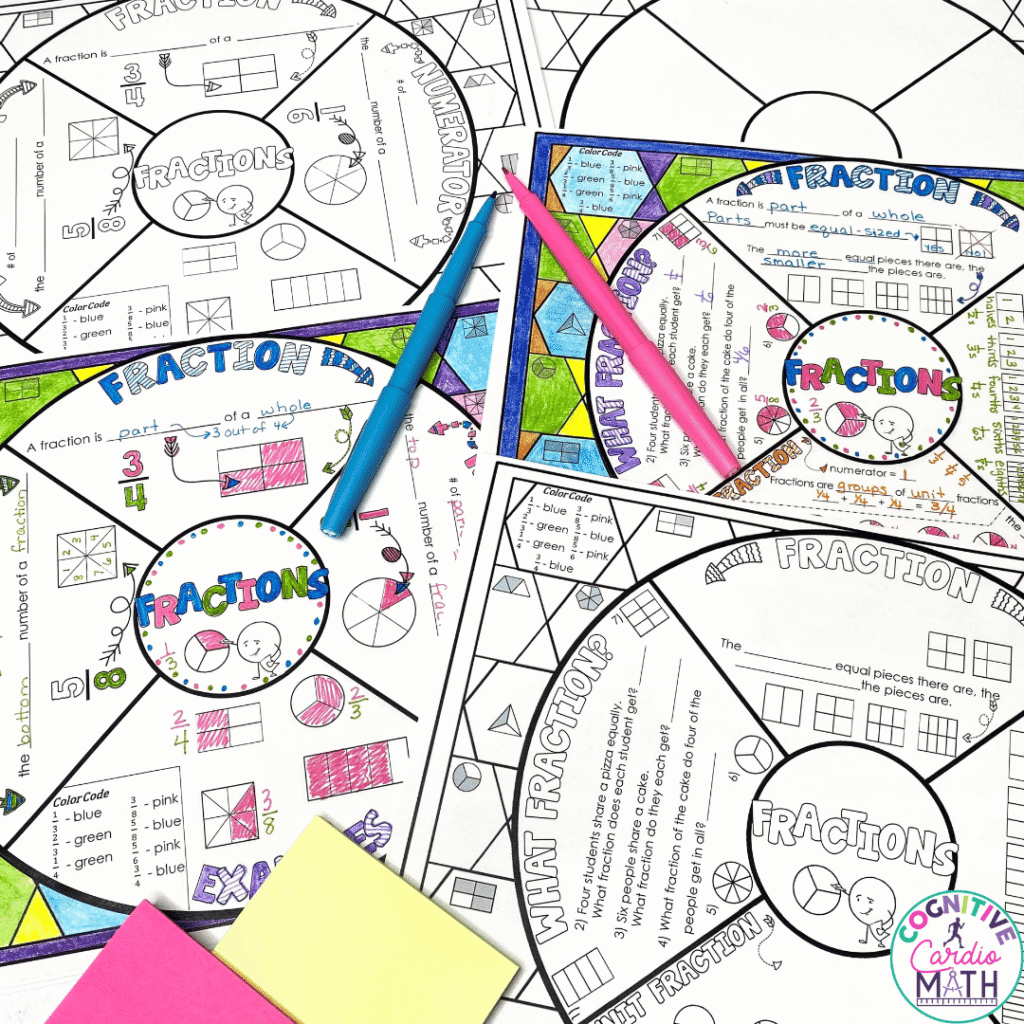
In my Fraction Concepts Math Wheel, I suggest using different colors for the numerator and denominator. This helps your students remember which part of the fraction represents each term. This may seem like a small detail, but it can make a huge difference for your English language learners who are still building confidence with math vocabulary. Plus, your students are not relying only on memorization because the colors become visual reminders throughout the lesson.
I also love that these ESL and math activities give your students opportunities to engage with the page as they learn. Your students have the chance to color headings, examples, arrows, and patterns as they work through the notes (and if you’d prefer no pattern in the background, the wheels have a ‘blank’ background as well). In my Metric Conversions Math Wheel, your students complete conversion notes and examples while adding color to different sections of the wheel. This can also help you with pacing during instruction. Instead of rushing through notes, the adding color naturally slows your students down.
Why Fill-In Activities Work So Well for ESL and Math
During ESL and math instruction, note-taking can easily become frustrating for some. Your students are often trying to listen, translate, read, and copy information all at once. When there is too much writing involved, some of your students lose track of the lesson before they fully understand the concept.
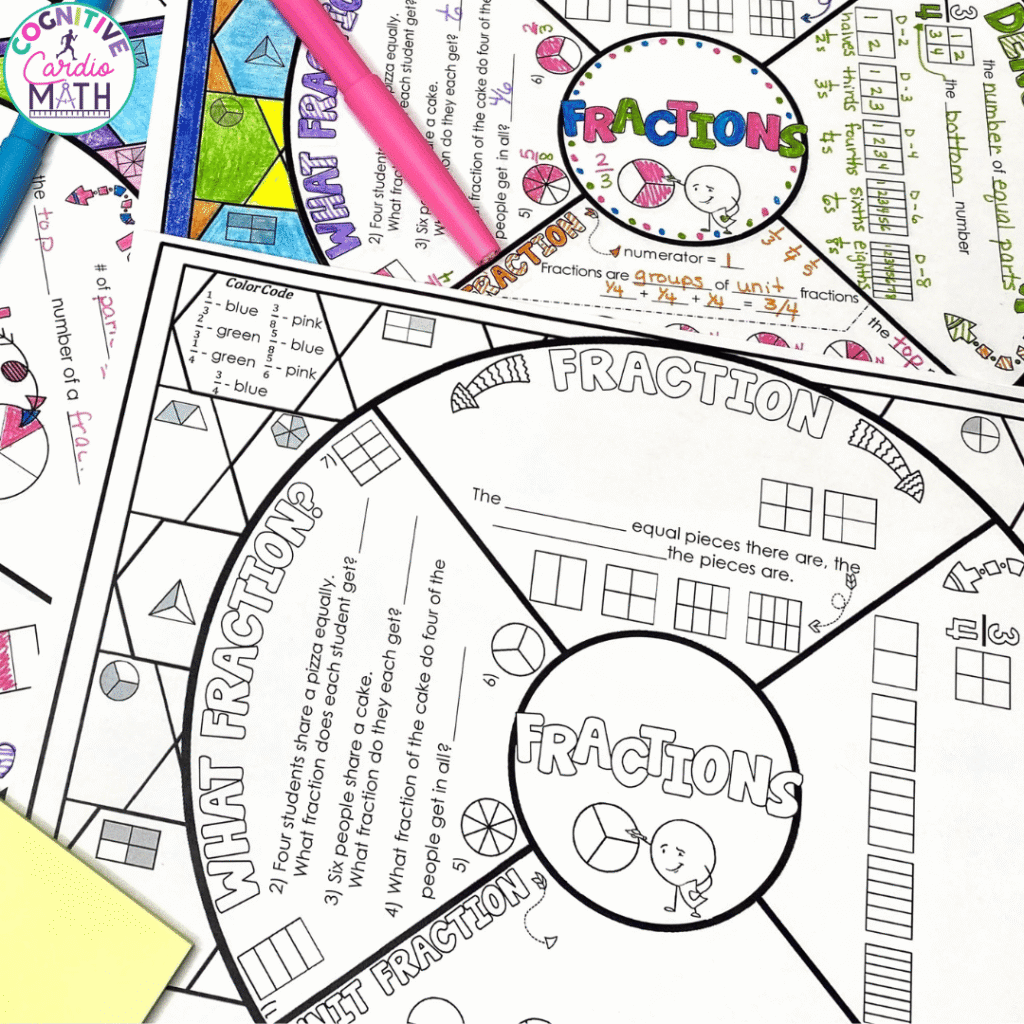
That is why the fill-in versions of math wheels are so helpful. Instead of requiring your students to copy every note word-for-word, the fill-in format allows your students to focus on key vocabulary and important ideas. It also helps them to stay actively involved in the lesson. This type of scaffold supports your English language learners without making the work feel watered down.
There are also open-note versions and pre-filled versions, so you can differentiate based on your students’ needs. This is especially helpful if you teach students with different language proficiency levels in the same classroom. For example, you may give some students the fill-in version while others complete the open-note version independently. Having multiple options already prepared saves time and makes differentiation much easier for you as you plan.
Built-In Examples Support English Language Learners
English language learners often need repeated exposure to vocabulary and examples before feeling comfortable with a new math skill. One reason the Math Wheels as ESL and math activities work so well is that the examples are built directly into the wheel rather than separated from the notes. Your students can immediately connect the math vocabulary to visuals and practice problems while learning.
My Probability Math Wheel includes vocabulary, examples, fractions, percents, and guided practice all within the same activity. This prevents your students from having to flip through several pages to connect the information. Everything they need stays right in front of them. This helps reduce confusion and increase independence during math instruction.
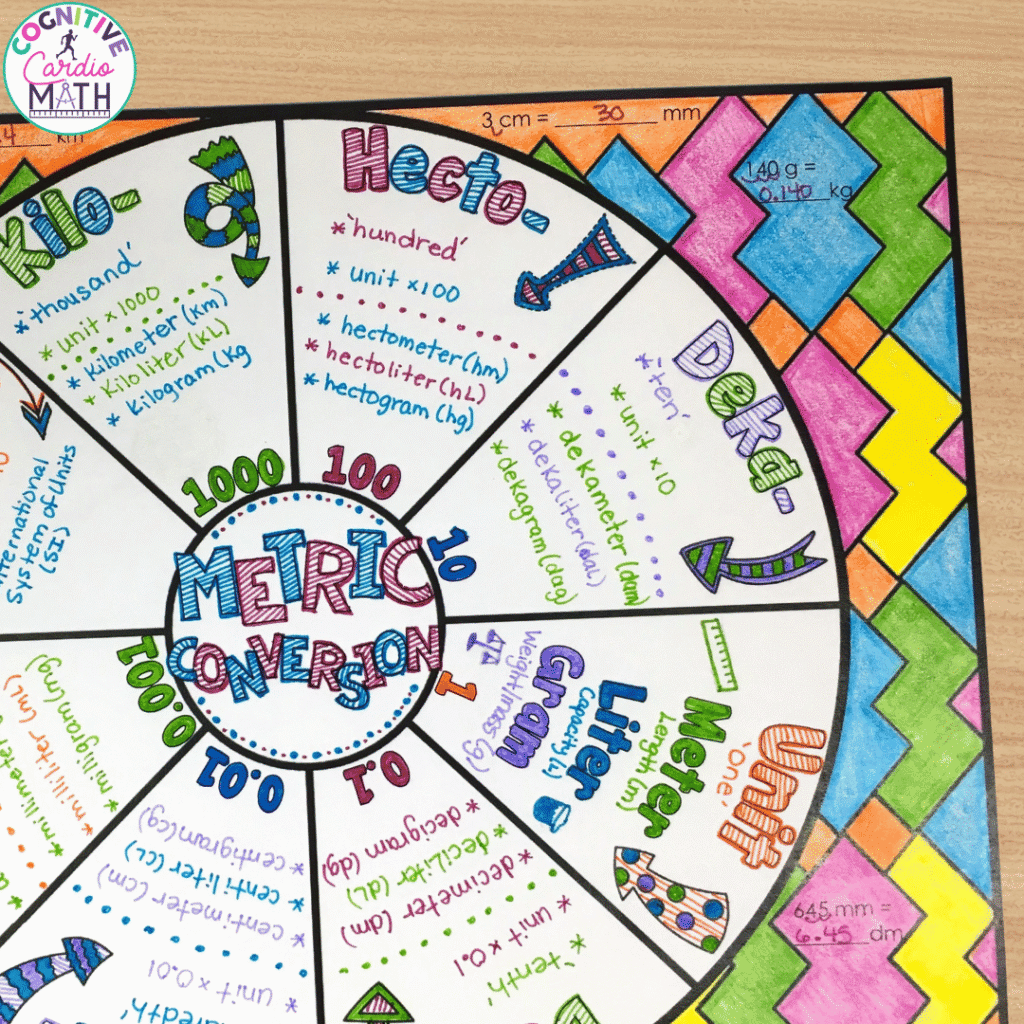
The Metric Conversions Math Wheel (and all wheels) also includes practice problems around the outside of the wheel. This helps your students apply the concept while the notes remain visible. One simple way to use this during your lesson is by modeling the first few examples together before letting your students try the remaining practice independently or with partners. That gradual release approach gives your English language learners the confidence to practice while still feeling supported.
I also made sure these activities encourage discussion during math lessons. When your students are able to discuss with one another, they are able to work on two skills at once. They are practicing the math skill at hand while also working on their language skills. As they learn from one another through math talk, they are referencing their notes and taking ownership of their learning. These visual tools make them much more willing to participate in conversations and explain their thinking.
How to Use Math Wheels During ESL and Math Lessons
One of the best things about Math Wheels is how flexible they are during instruction. If you are introducing a new skill, you can complete the wheel together over one class period. This gives you the chance to model vocabulary and examples along the way. I recommend stopping after each section and checking for understanding before moving on to the next part of the wheel. That pacing gives your English language learners more time to process both the language and the math concept.

These activities also work well during small group instruction. You can use the wheel as guided practice with a small group while your other students work independently or in stations. Since the notes and examples are already built into the activity, your students have visual support available even when they are not sitting directly beside the teacher.
Another helpful option for ESL and math instruction is to keep completed math wheels in students’ notebooks throughout the unit. This helps your students reference the wheels during independent practice, homework, review days, or test prep. Since the wheels are color-coded and chunked, your students will see how approachable math can be. Their walls will start to come down, and they will be more willing to take the time to use these effective tools!
ESL and Math Activities That Build Confidence

Confidence matters so much during ESL and math instruction. Many of your English language learners hesitate to participate because they are worried about using the wrong vocabulary or misunderstanding directions. When your students have organized notes, visual examples, and a clear structure, they feel much more comfortable taking risks during math lessons.
Math Wheels help create that support because your students are not starting from a blank page or flipping through pages of a textbook. The visuals, fill-in sections, examples, and color coding all work together to guide your students through the learning process. Instead of relying completely on verbal explanations, your students have a resource they can revisit throughout the lesson.
You’ll also start to see an increase in engagement in class. Once they see how doable taking notes and applying what they are learning can be, you’ll hear less of the groans and negotiations to get out of doing them. Creating a positive learning environment will change the math game for you and your students!
Find More ESL and Math Activities for Your Classroom
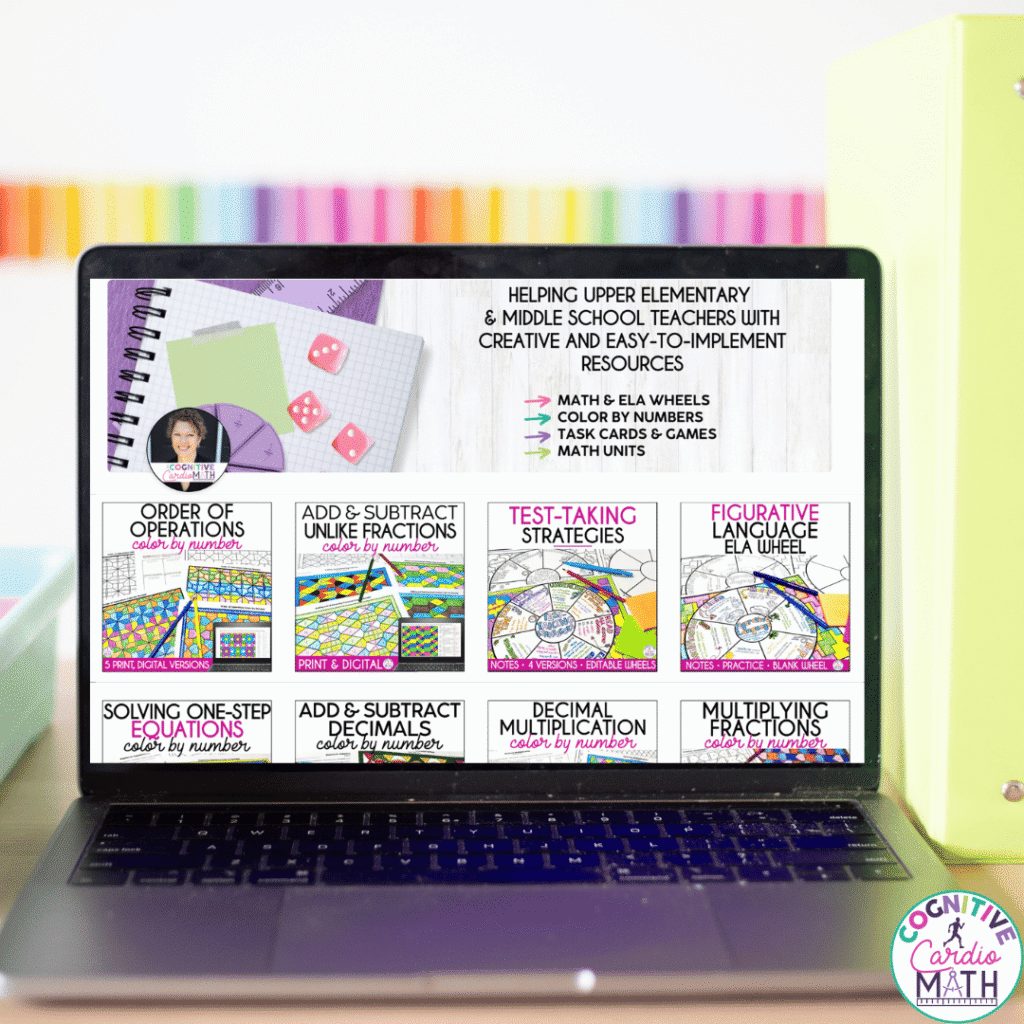
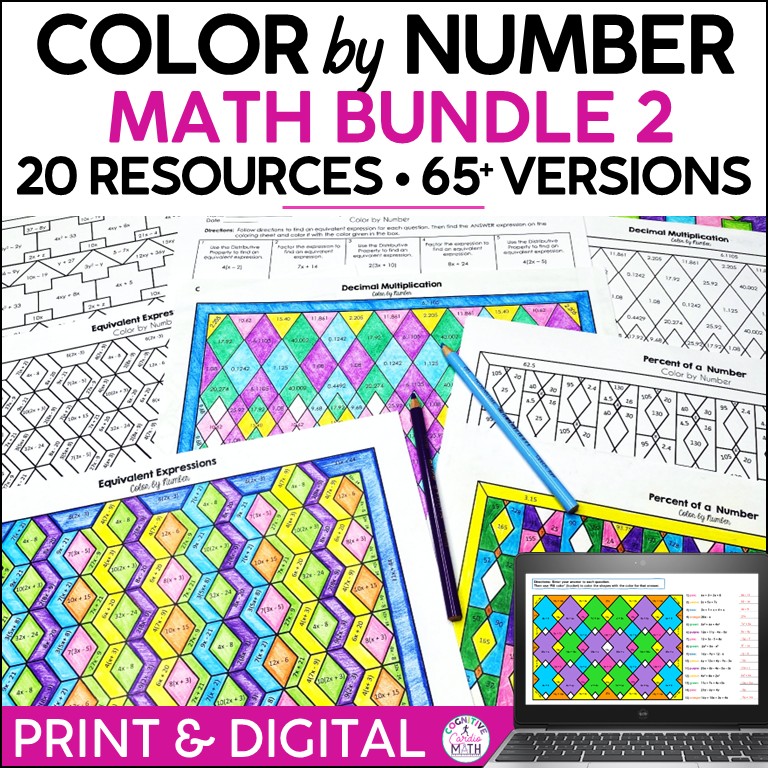
If you are ready to bring more visual structure and confidence into your math block, be sure to check out the Math Wheels linked throughout this post. If you are looking for more ESL and math activities that support visual learning, differentiation, and student engagement, be sure to explore my full collection of resources by heading over to my TPT store. Along with math wheels, you can grab additional resources such as color by number activities, task cards, spiral review, math games, review activities, and interactive practice to help your students stay engaged while building math understanding.
One thing I love about these resources is that they work well for a variety of classroom needs. Whether you are planning whole group lessons, small group instruction, stations, review days, or extra practice, there are activities that help support your students while keeping math approachable and interactive. Having resources like these ready to go can also make lesson planning feel much less overwhelming, especially as you’re building routines and supports for your English language learners.
Combining ESL and Math Instruction Supports
Supporting your English language learners during math instruction does not always mean completely changing how you teach. Sometimes the biggest difference comes from providing your students with stronger visual support and clearer organization….focusing on activities that reduce language overwhelm while still keeping the math rigorous.
Math Wheels help your students process vocabulary, examples, and practice in one organized place. The chunked layout, color coding, guided notes, and built-in examples all work together to support comprehension and confidence during ESL and math lessons. When your students feel supported and successful, they are much more willing to participate, ask questions, and engage with challenging math concepts.
Save for Later
Looking for more ESL and math ideas that support your English language learners during math instruction? Save this post to your favorite math intervention or English language learners Pinterest board so you can revisit these visual math activities later.