Twenty math problems, twenty correct answers, and you’re feeling pretty good about your students’ progress. Then you put one slightly different problem on the board, and suddenly half the class is confused. Over the years, I learned that the types of problems my students practiced mattered just as much as how often they practiced. That’s why I’m so passionate about teacher-created math activities. With AI making it easier than ever to generate math worksheets, I think it’s important to talk about what years of classroom experience bring to the resources we use. Let’s look at why teacher-created activities matter and how thoughtful problem selection can make a difference for your students.
Teacher-Created Math Activities Come From Real Classroom Experience
There’s something about teaching the same math skills year after year that changes how you look at a worksheet. You start recognizing the mistakes your students make before they even pick up their pencils. You know which examples they’ll probably solve quickly and which ones might cause confusion. At the same time, you also know your students can get several answers correct without fully understanding the concept. Those experiences stay with you as you plan lessons and create practice activities.

Think about the last time you taught subtraction with regrouping. Maybe your students were doing great until they encountered a zero in the top number. Suddenly, hands were going up around the room, and your students weren’t sure where to regroup. If you’ve taught this skill before, you probably anticipated that challenge. It’s exactly the kind of classroom experience that should influence the problems included in a math activity.
That’s what I value most about teacher-created resources. They can reflect years of watching students learn, struggle, make mistakes, and eventually understand difficult concepts. When an experienced teacher designs an activity, those classroom experiences can help guide every decision. The result is practice that goes beyond simply giving your students more problems to solve.
Teacher-Created Math Problems Address the Mistakes Your Students Actually Make
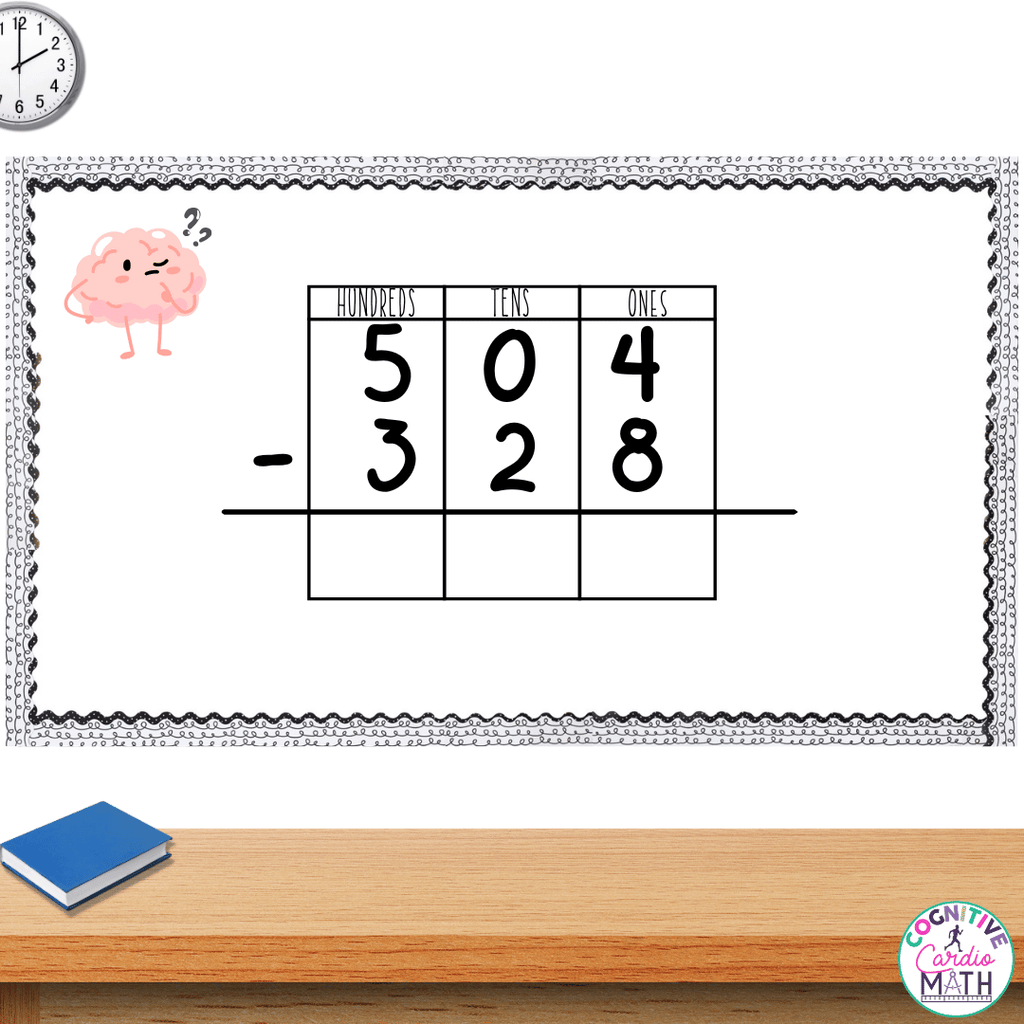
Let’s stay with subtraction for a minute because it’s such a good example. Imagine giving your students a worksheet with 20 subtraction problems that all follow a similar pattern. They finish quickly, most of the answers are correct, and everything looks great. But what happens when you give them a problem like 504 – 328? Suddenly, you might discover that some of your students don’t know how to regroup across a zero.
Now try 8,001 – 999. This problem requires your students to work through multiple zeros, which can be even more challenging. You might notice your students skipping a place value or becoming confused about where the regrouping should begin. These are mistakes I’ve seen my students make, and they’re exactly why I believe the problems included in an activity matter so much.
Here’s something you can try during your next subtraction lesson. Write 504 – 328 on the board and ask your students to solve it independently. Then say, “Before we check the answer, look at what happened in the tens column. What did you need to do differently?” Have your students explain their thinking with a partner before discussing the process together. A problem like this gives you a chance to uncover misunderstandings that easier examples might not reveal.
Teacher-Created Math Activities Make It Easier to Spot Misconceptions
One of my favorite things about a thoughtfully designed math activity is how much you can learn from your students’ work. Of course, we want our students to get the correct answers, but we also want to know how they arrived at those answers. If several of your students miss the same problem, that tells you there is something worth investigating. Instead of immediately moving on, you can look for the part of the process that’s causing trouble.
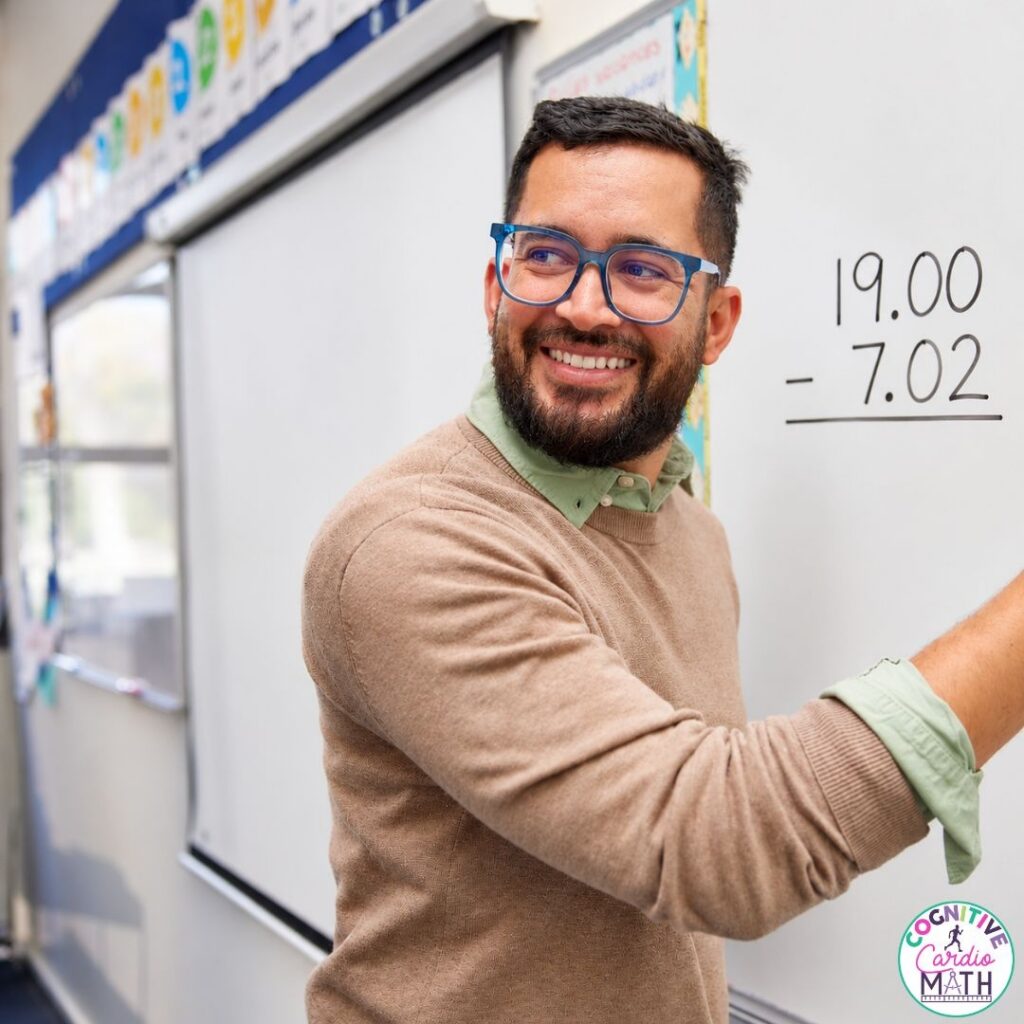
Take the problem 19 – 7.02, for example. Some of your students may line up the numbers incorrectly because they focus on the last digit instead of the decimal point. Others may understand how to align the numbers but struggle when regrouping is required. Both groups need support, but not necessarily the same support. That’s why including problems with different decimal places can be so helpful.
When you notice these mistakes, try asking, “Can you show me how you lined up your numbers?” or “Why did you place that digit in this column?” Give your students a chance to explain before correcting their work. Their answers can help you decide whether to review place value, model another example, or provide additional practice. Teacher-created activities that include these challenging situations can make those instructional decisions much easier.
Teacher-Created Math Resources Balance Practice and Challenge
We all want our students to feel successful during math, especially when they’re learning something new. However, success doesn’t mean every problem should be easy. Your students need a chance to build confidence with familiar examples before moving into situations that require more thinking. The challenge is finding that balance without making the activity overwhelming.

For example, when teaching decimal multiplication, you might begin with 2.4 x 1.3. Once your students are comfortable multiplying decimals and determining where the decimal belongs in the answer, introduce 0.6 x 0.04. When you do, ask them, “Should our answer be greater or less than one? How do you know?” This encourages your students to think about the size of their answer instead of simply counting decimal places.
I recommend including a variety of problems because your students don’t all need the same level of support. Some of your students benefit from practicing the process several times, while others are ready to apply it in less familiar situations. When choosing teacher-created math resources, look for activities that provide this kind of variety. You want your students to feel capable while still having opportunities to stretch their thinking.
Why AI Generated Math Worksheets Aren’t Always Enough
AI has certainly changed how quickly we can create classroom materials. In just a few minutes, you can ask it to generate 20 subtraction problems, create a worksheet, or even put together a math color by number activity. I understand the appeal! As teachers, we are busy, and anything that saves planning time sounds helpful. Here’s where I think we need to be careful. Just because a worksheet has the correct number of problems doesn’t mean those problems provide the rigorous or relevant practice your students actually need.

Let’s say you ask AI to create a subtraction worksheet with regrouping. It might give you 20 perfectly reasonable problems, and every answer could be correct. However, what if none of those problems require regrouping across multiple zeros? What if your students never encounter the types of problems that have caused confusion during your lessons? The worksheet might look complete, but it could miss some of the most important opportunities for your students to strengthen their understanding.
This is where I believe teacher-created math activities have an advantage. After nearly 25 years of teaching, I’ve seen hundreds of students work through these skills. I’ve watched my students struggle with problems that seem simple and breeze through ones I expected to be difficult. Those experiences have taught me to look beyond whether a problem matches the skill being taught. I want to know whether AI challenges our students in the right ways and helps us see what they understand.
Why Classroom Experience Still Matters When Using AI
Now, you might be thinking that we can simply tell AI to include more challenging problems. You’re absolutely right! You could ask for subtraction problems involving zeros, decimals with different place values, or multiplication problems that require your students to think carefully about their answers. With the right instructions, AI can generate a much more useful activity. Here’s the important part. Someone still needs to know which problems to request.
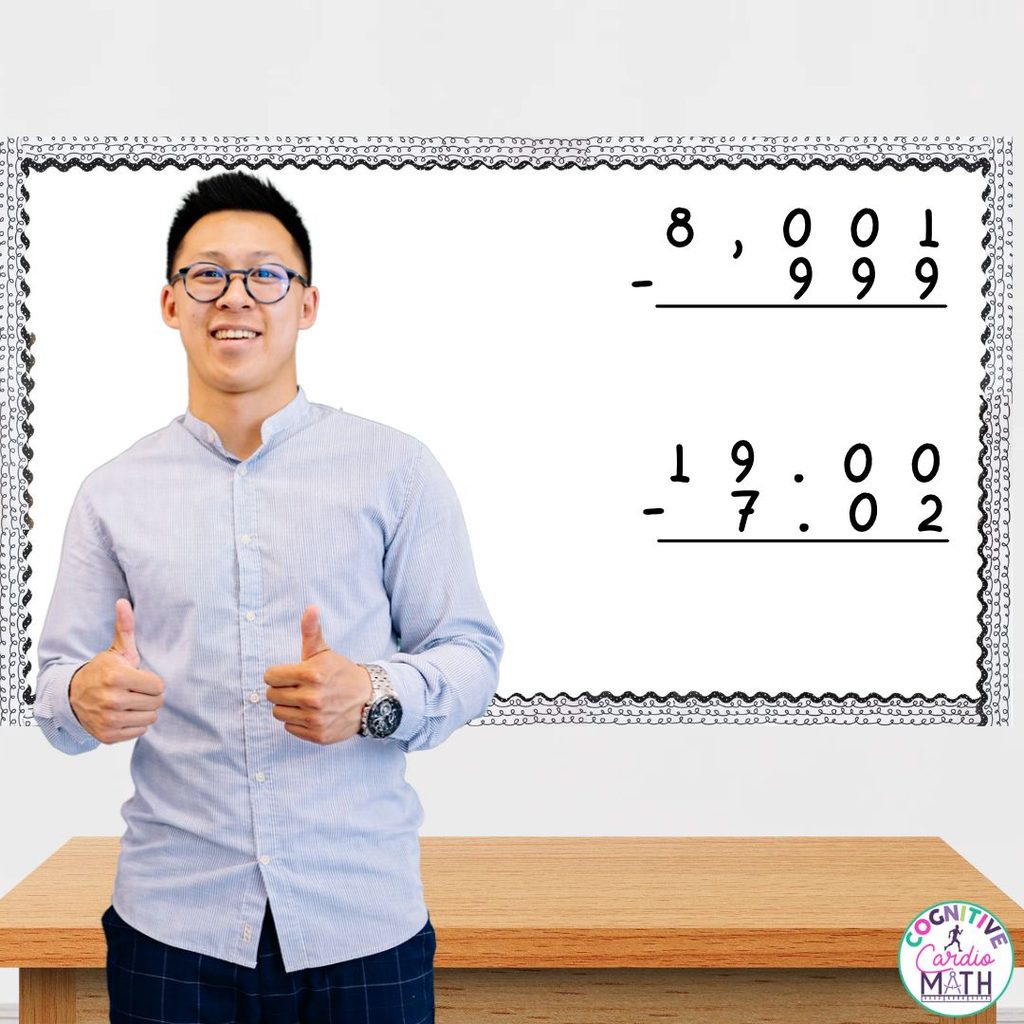
Think about a teacher who hasn’t encountered certain misconceptions yet. They might not realize how often their students struggle with a problem like 8,001 – 999. They may not think to include 19 – 7.02 when creating decimal subtraction practice. An experienced teacher recognizes the importance of these examples because they’ve watched their students work through them. That knowledge doesn’t come from simply knowing how to solve the problems. It comes from understanding how their students learn to solve them.
I’m not suggesting we should avoid AI altogether. It can be a helpful tool, and I know we will keep finding ways to use it appropriately. However, I don’t believe generating a worksheet is the same as thoughtfully designing one. When I create math resources, I draw on years of classroom experience, student questions, and mistakes I’ve seen repeatedly. That’s the difference I want you to recognize when choosing activities for your classrooms.
Teacher-Created Color by Number Activities Have a Purpose Beyond Coloring
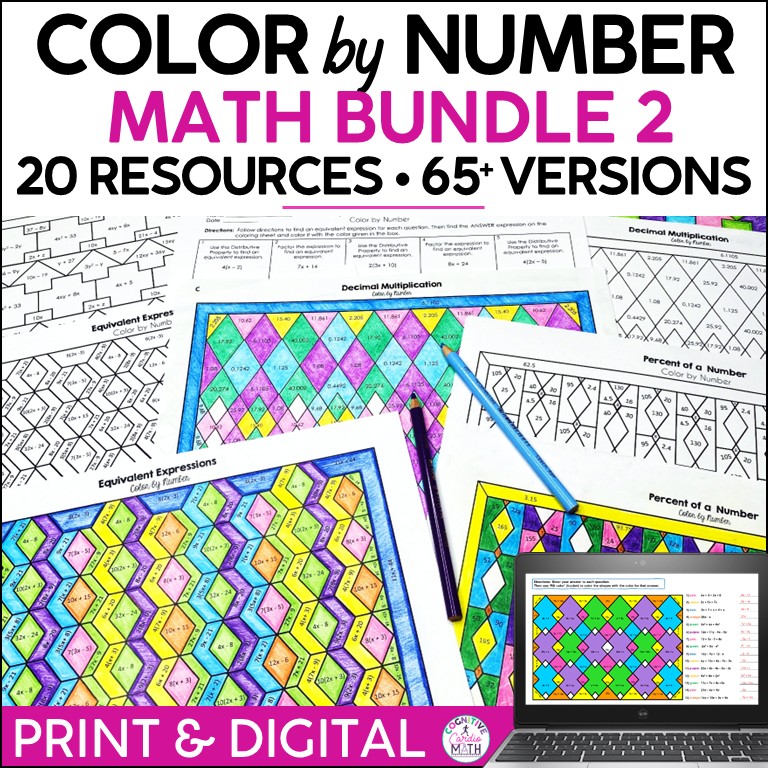
I love a good math color by number activity, but I’ve always believed the math needs to be the most important part. The coloring makes the activity fun and approachable, but the problems give it instructional value. Your students should do more than solve a collection of nearly identical equations to reveal a colorful picture. They should be practicing skills in ways that help them become stronger mathematicians.
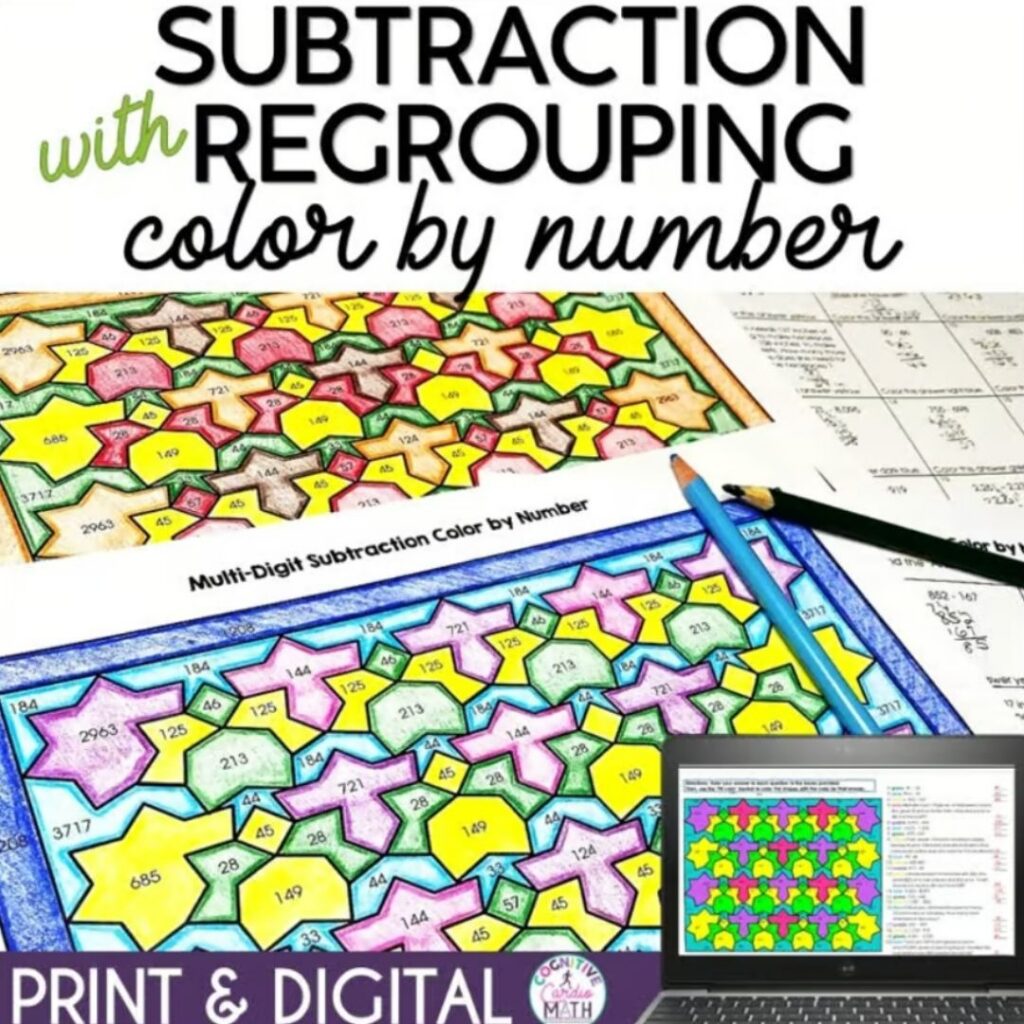
My Multi-Digit Subtraction Color by Number is one example of how different problem types can work together. Your students will interact with subtraction problems such as 904 – 78, 5,015 – 1,298, and 9,303 – 8,095. These examples give your students practice with regrouping across zeros and working with larger numbers. The activity also includes word problems, so your students can apply subtraction in different situations.
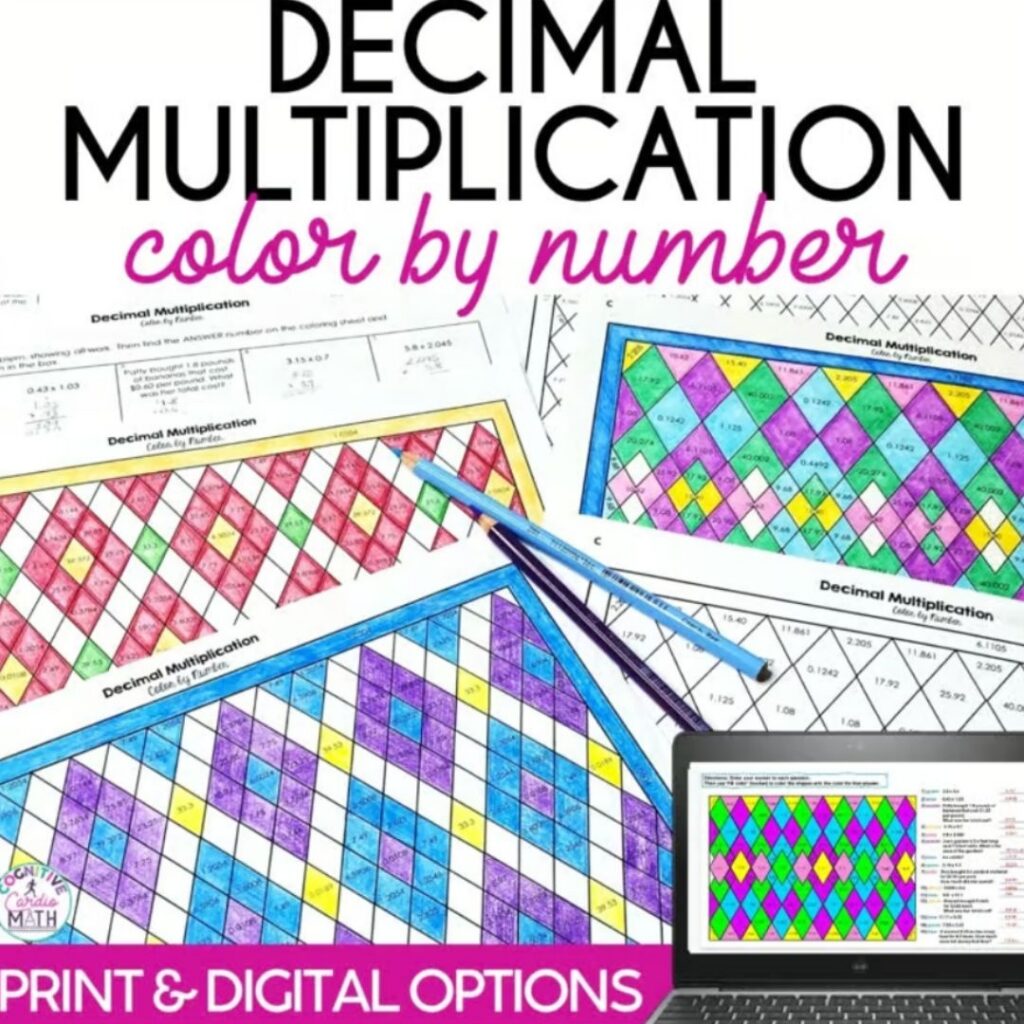
My Multiplying Decimals Color by Number gives you another example. Your students will work with decimal multiplication problems involving different place values, along with word problems that require them to apply multiplication. Your students might solve 0.054 x 0.2 or determine the cost of purchasing 6.2 pounds of oranges at $1.25 per pound. The goal of these problems is to encourage your students to pay attention to decimal placement and consider how multiplication works in different situations. The coloring adds an engaging element, but the math practice remains the focus.
How to Choose Teacher-Created Math Activities for Your Classroom
With so many math resources available, it can be tempting to choose the first worksheet that looks engaging and matches your topic. I get it! You have limited planning time, and finding something ready to use can feel like a victory. I encourage you to spend another minute looking at the actual problems before deciding whether an activity is right for your students.

Start by asking yourself what you want to learn from the assignment. If you’re reviewing subtraction with regrouping, look for problems that include zeros, larger numbers, and different regrouping situations. If you’re practicing decimal operations, check whether your students need to work with different decimal places. Then think about the mistakes you’ve noticed in your own classroom. Does the activity give your students a chance to practice those challenging situations?
You can also choose a few problems to discuss together before your students begin working independently. Try saying to your students, “I want you to pay special attention to how these problems are different from the ones we practiced yesterday.” After your students finish, select one or two examples to review as a class. Ask your students to explain their strategies and compare their approaches. This turns an independent practice activity into another opportunity for meaningful math conversations.
Use What You Know for Teacher-Created Math Activities
One thing I know for sure is that your students can surprise you with the mistakes they make. A problem that seems straightforward to you might reveal a misunderstanding you hadn’t noticed before. That’s why I believe classroom experience is such an important part of creating quality math resources.
Teacher-created math activities bring together the knowledge we have gained from working with real students and the understanding of what beneficial practice should look like. When we choose problems carefully, we give our students opportunities to build confidence, work through challenges, and show what they truly understand. When we use that information to guide our next lessons, even a simple worksheet can become a valuable teaching tool.
Explore More Teacher-Created Math Activities
If you’re looking for math practice created with real classroom experience in mind, I’d love for you to explore my collection of color by number activities. You’ll find resources covering a variety of math skills, including whole number operations, decimals, fractions, exponents, and more. Each activity gives your students an engaging way to practice while keeping the math at the center of the experience.
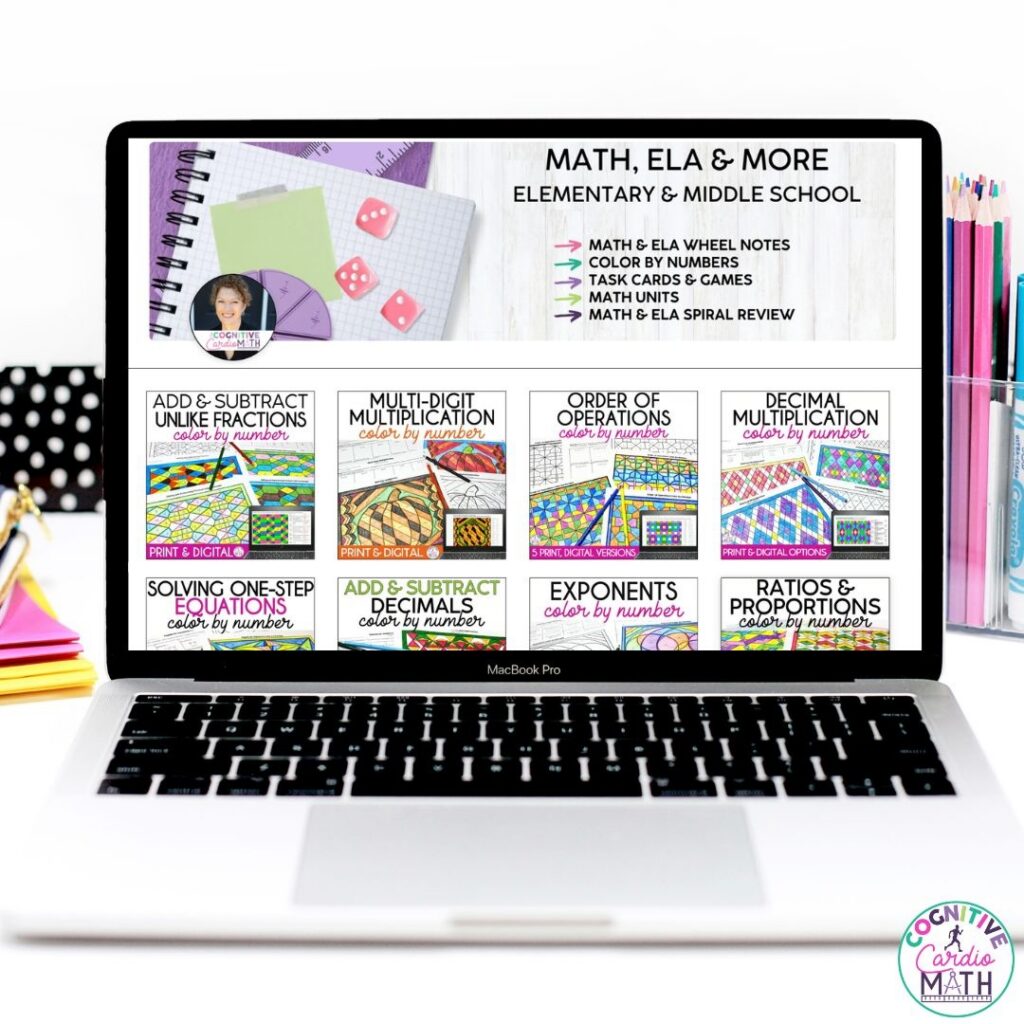
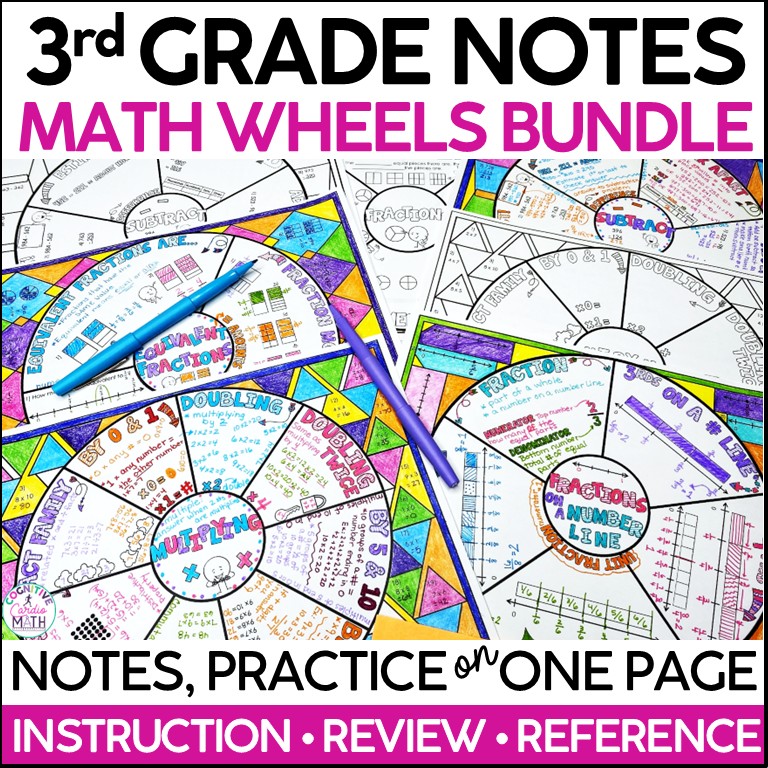
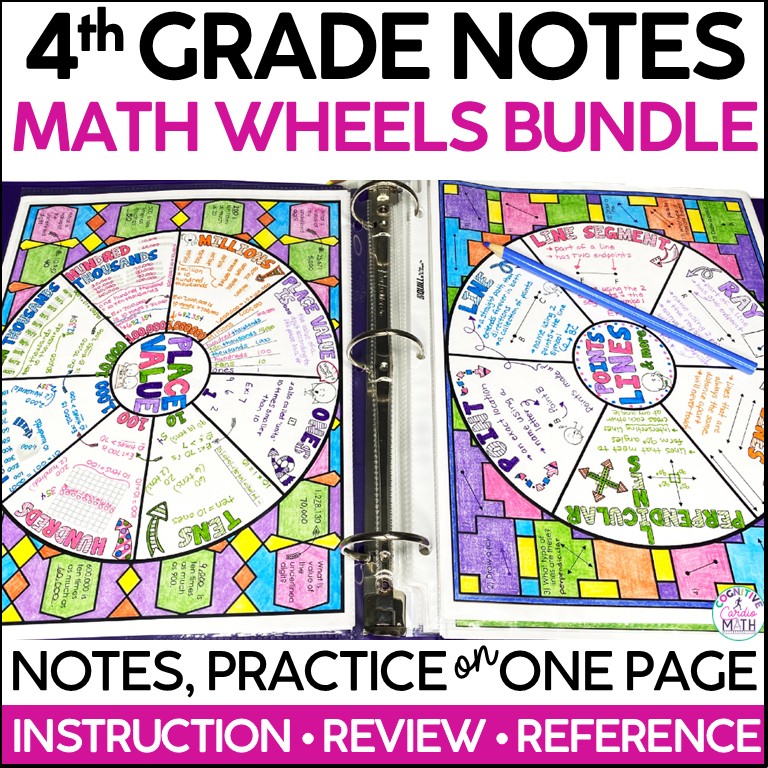
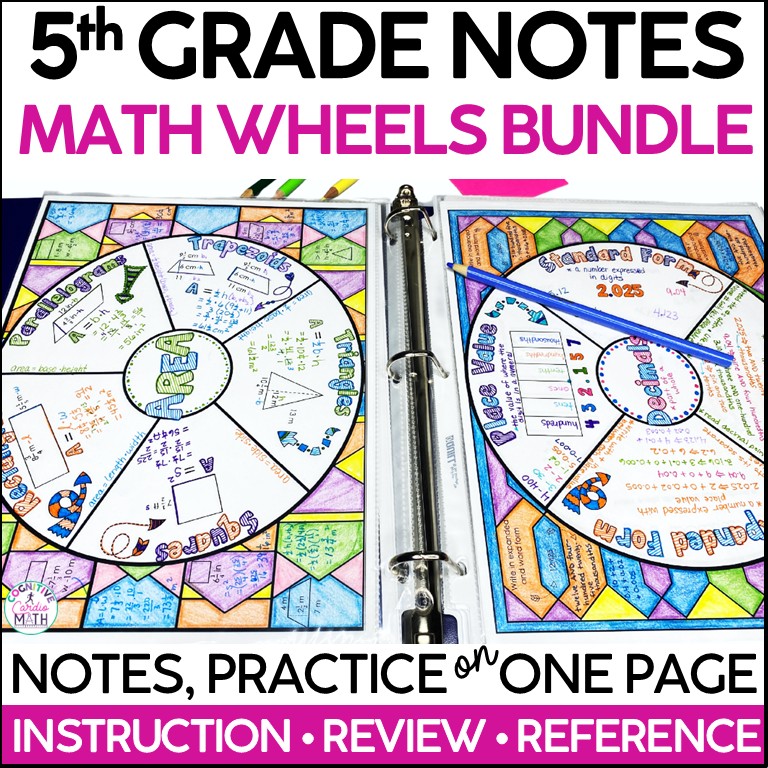
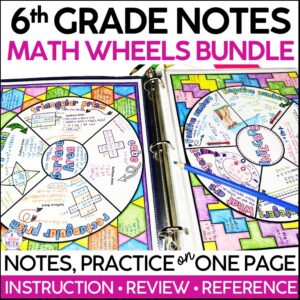
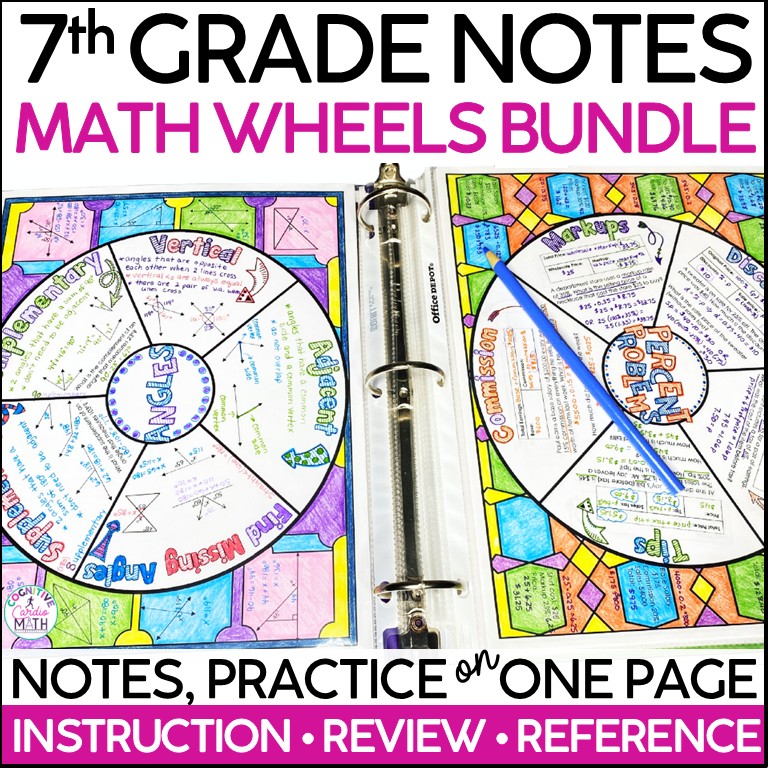
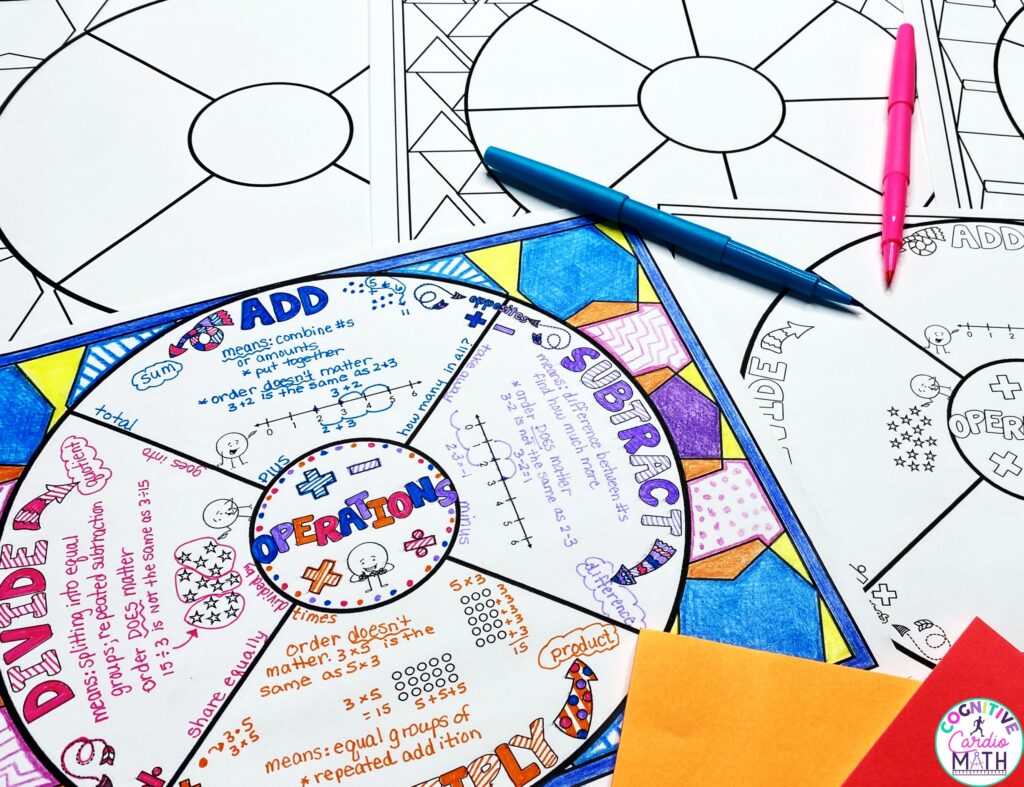
You can also explore the other teacher-created resources in my TPT shop, including math doodle wheels, task cards, review games, and complete units. Whether you’re introducing a new concept, looking for independent practice, or planning a review lesson, you’ll find plenty of options.
As you browse, think about the skills your students are currently working on and the mistakes you’ve been noticing. Choose the resources that address those needs and give your students time to practice. That’s always my goal when creating math activities for you and your students.
Save for Later
Save this post to your favorite Pinterest board to remember why teacher-created resources are effective. The next time you’re searching for effective practice, you’ll have these ideas ready to help you choose activities that support your students.