When teaching multi-step equations in middle school, it’s easy to see why your students might feel overwhelmed. With distributing, combining like terms, moving variables to one side, and then isolating the variable, there’s a lot to keep track of. The good news is that once our students have the right supports and strategies in place, solving multi-step equations can feel like a puzzle they actually want to solve. Whether you’re introducing the concept for the first time or reviewing before a test, having a strong set of activities makes all the difference.
Why a Strong Understanding of Multi-Step Equations Matters

Before we dive into teaching strategies, it’s important to take a step back and think about why multi-step equations deserve our attention in the first place. These types of problems don’t just show up on standardized tests. They build the foundation for so many other math concepts your students will encounter down the road.
Multi-step equations help your students practice logical thinking and strengthen their number sense. As they move through each part of the equation, they’re applying inverse operations, understanding the balance of equations, and thinking critically about what each step is doing. These are skills that transfer beyond the math classroom.
When your students develop a strong understanding of multi-step equations, they’re also setting themselves up for success in algebra and beyond. From word problems to real-life problem-solving scenarios, knowing how to break down a complex equation makes math feel more manageable. There’s truly nothing better than watching a student go from “I can’t do this” to “I’ve got this” when they finally solve a problem all the way through!
Start With Visual Models and Step-by-Step Practice
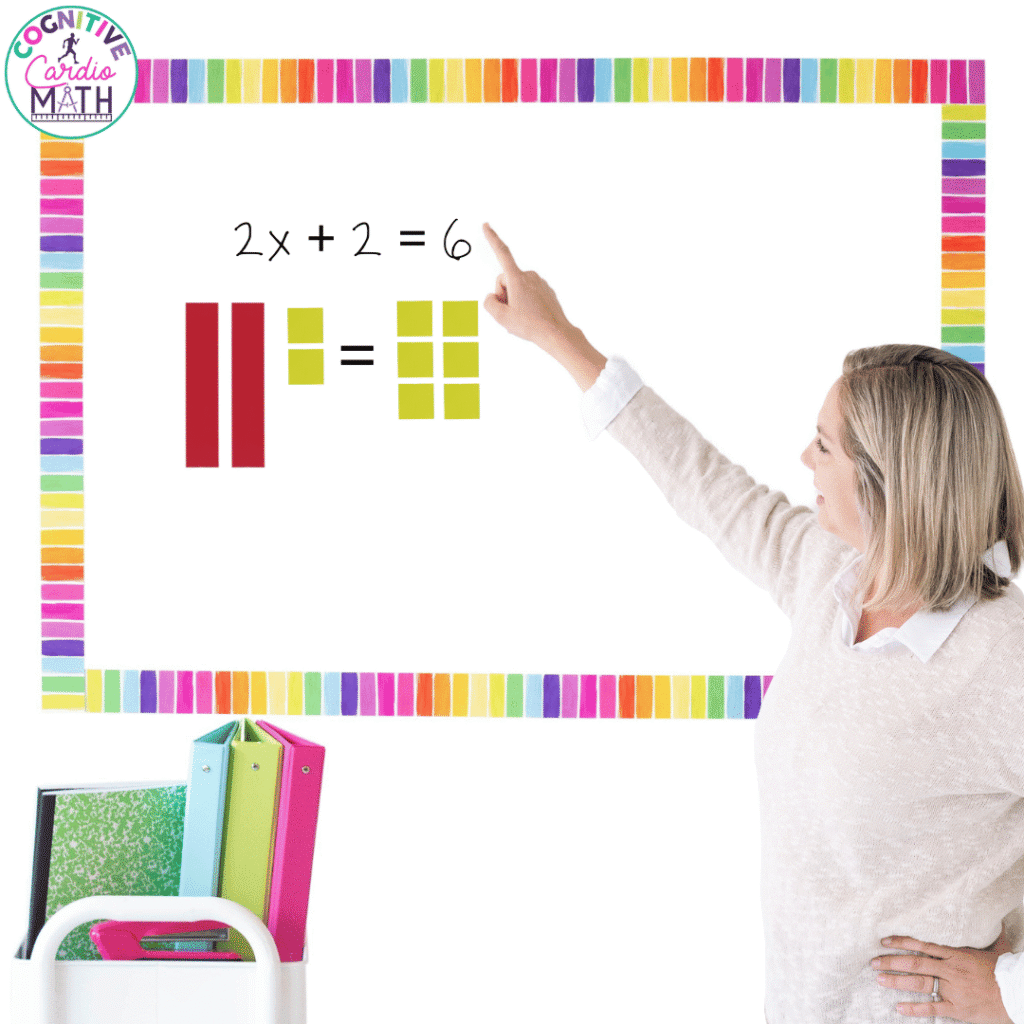
Before diving straight into solving multi-step equations, it helps to make sure your students have a solid foundation. If they’re still shaky on one-step or two-step equations, pause and go back. Giving them that time up front to practice inverse operations and balancing both sides pays off big time later on.
Once your students are ready to move forward, break the process down step by step. Use visual models like algebra tiles or the hanger model to show what’s really happening when they move pieces from one side of the equation to the other. These tools are especially helpful for students who need to see the math in action to fully understand it.
From there, guide your students through the multi-step process together. Work examples as a class and let your students talk through each step. Start with equations that are more straightforward, then gradually add complexity as confidence builds. This approach not only reduces anxiety but also builds trust in the process.
Use the Multi-Step Equations Math Wheel for Guided Notes
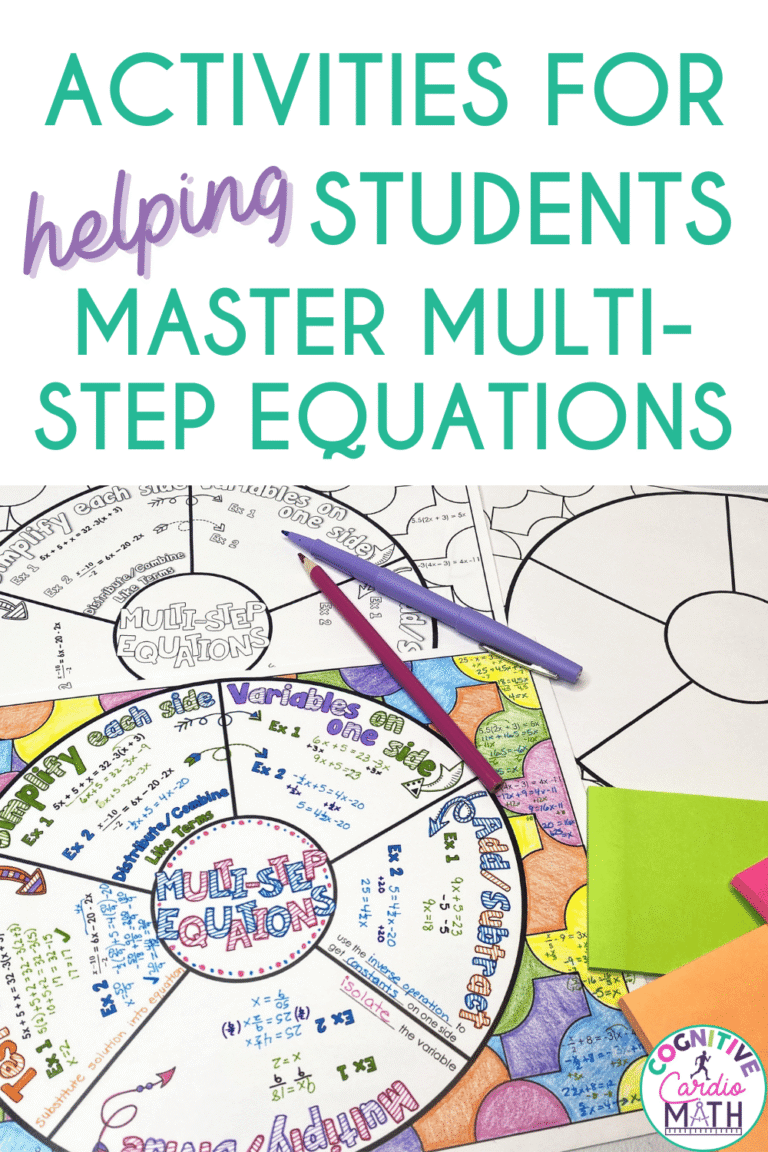
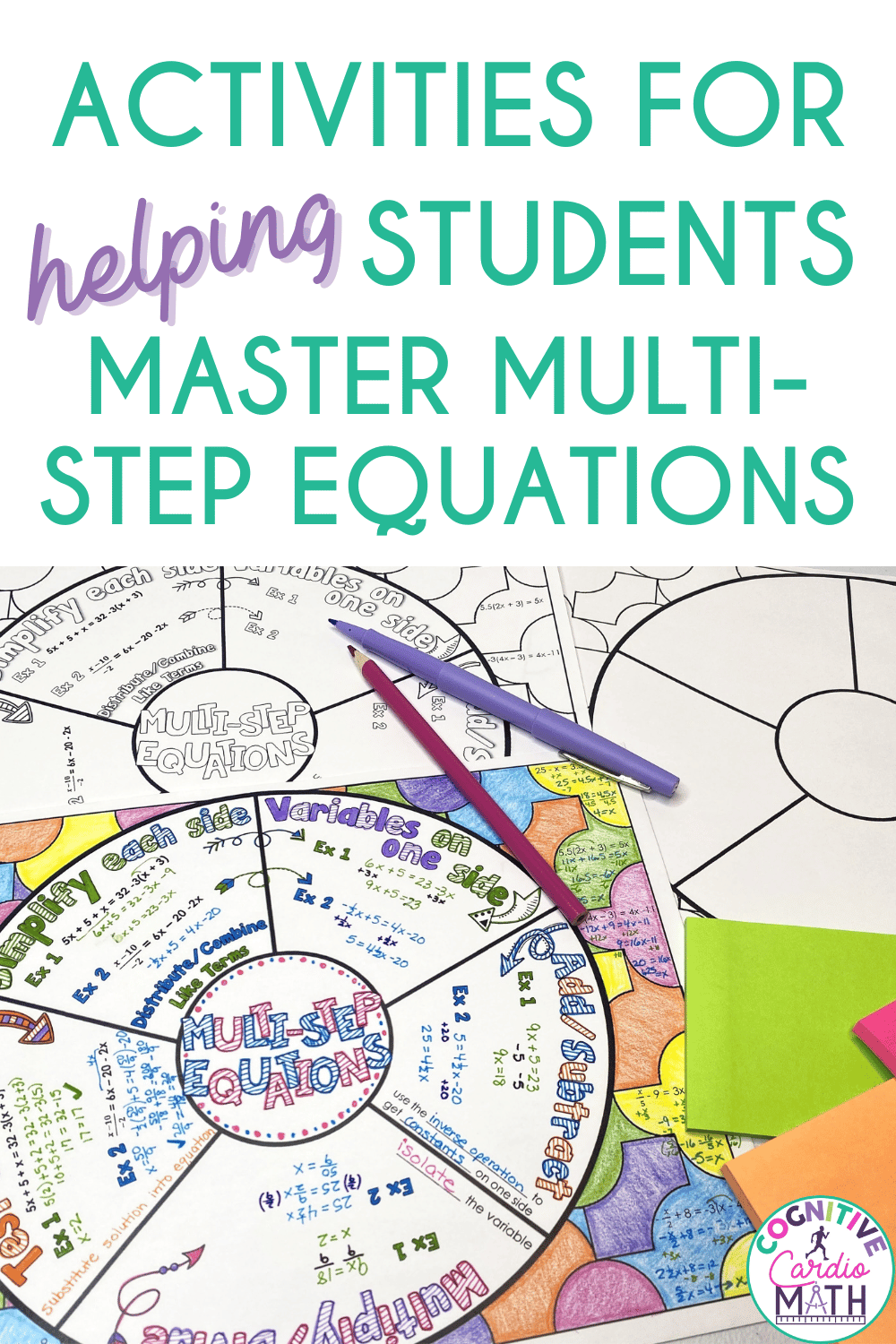
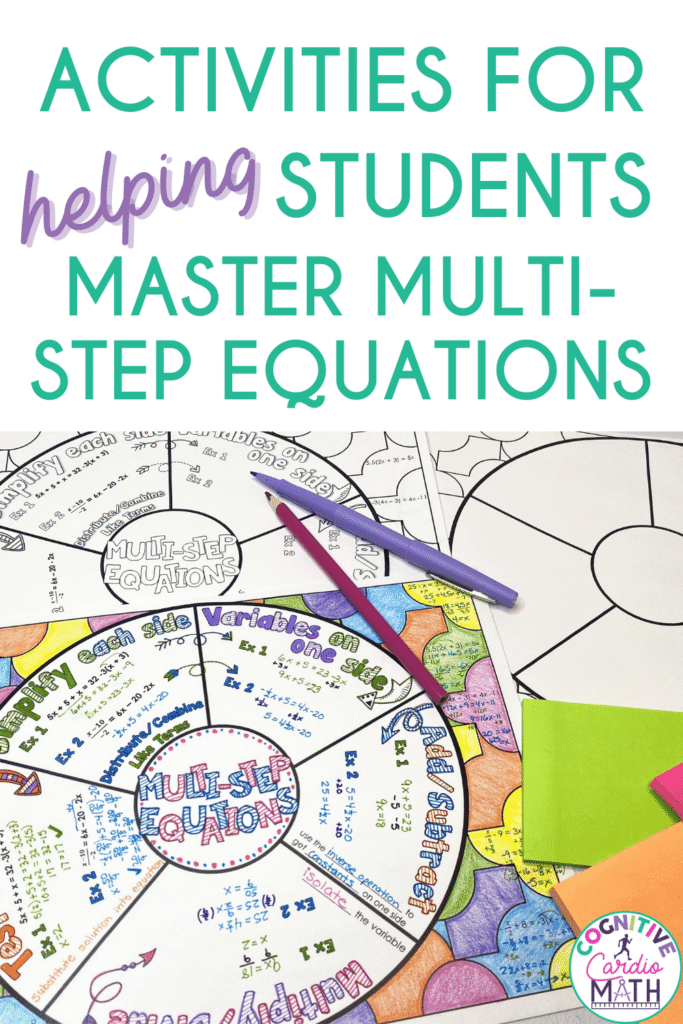
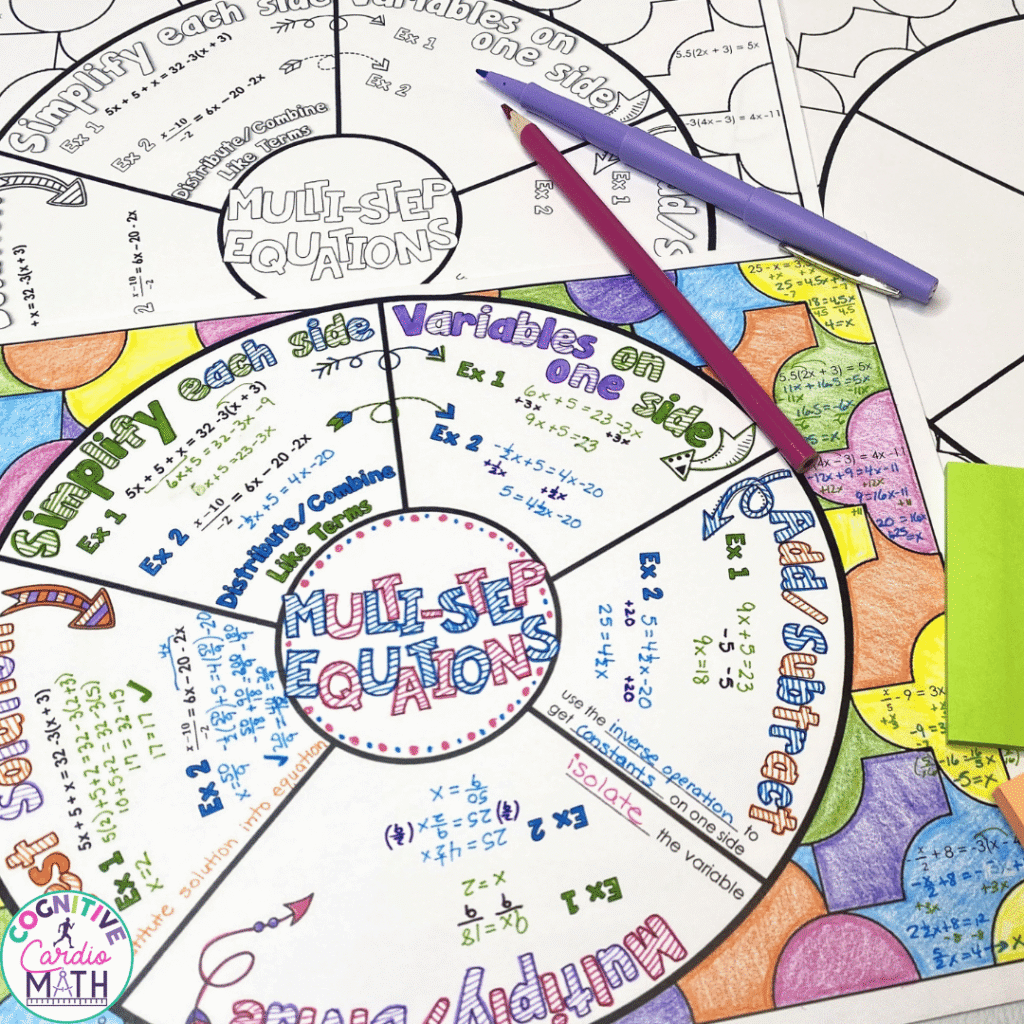
One tool that is helpful when it comes to teaching multi-step equations is my Multi-Step Equations Math Wheel. This graphic organizer is more than just a note-taking template. It’s a visual roadmap for your students that breaks down each step and helps them stay organized from start to finish.
The wheel is designed to walk your students through five major steps:
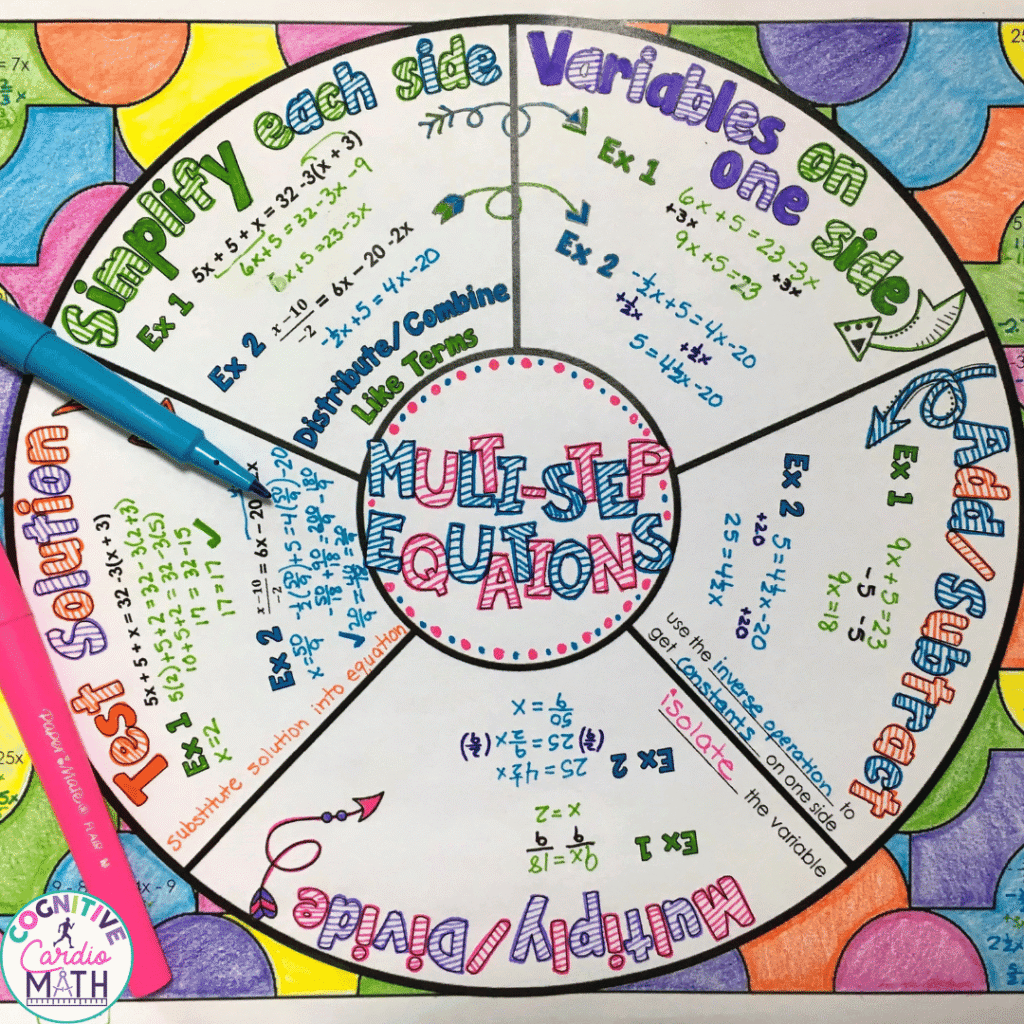
- Simplify each side
- Move variables to one side
- Add or subtract
- Multiply or divide
- Test the solution
Each section includes space to work through examples and jot down notes. The wheel even includes two practice equations that are worked through in every step. This makes it easy for your students to see how the math flows from start to finish.
What I love most is that this resource comes in three differentiated versions. There’s one with open-ended note space, one with fill-in-the-blank prompts, and one that’s pre-filled for your students who need more support or were absent. It’s flexible enough to meet the needs of all learners. It even comes with and without the background pattern for all versions.
Your students also have the chance to complete 10 additional practice problems in the pattern around the outside of the wheel (it comes with and without the background pattern for all versions). And yes, it includes space for doodling and coloring! You’d be surprised how many middle schoolers stay focused when they can add a little creative flair to their math work. As they add colorful marks to help them visualize the different steps, they are also helping their brains retain the information more effectively. This math doodle wheel becomes a strong reference tool for the unit as well as for the year!
Mix Up Your Activities to Practice With Purpose
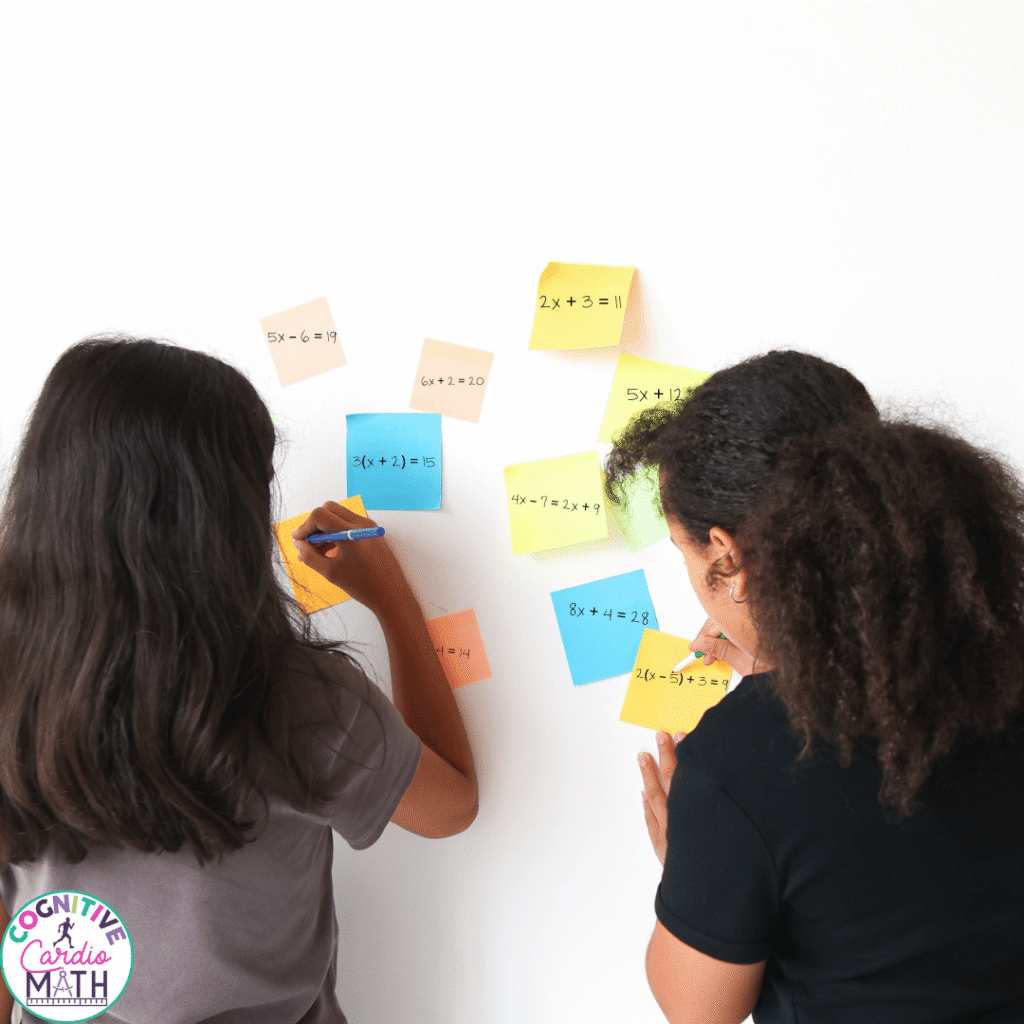
Once your students have a solid understanding of the steps, it’s time to give them lots of opportunities to practice. We all know that not all practice is created equal. The goal here is to keep your students engaged while reinforcing the structure of multi-step equations.
One simple way to do this is with partner work. Have your students solve the same equation on their own, then compare and discuss their steps. If their answers match, great! If not, they go back through the steps together to find the mistake. This peer teaching approach not only helps reinforce the process but also boosts confidence.
Another idea is to use stations. Set up a few different work areas around the room. One with basic equations, another with word problems, a spot for error analysis, and one for checking answers and reflecting. Rotating through stations keeps the energy up. It also allows your students to interact with the concept in different ways.
You can also bring variety into your independent practice. Try giving your students a short list of multi-step equations and asking them to color-code their work. One color for combining like terms, another for moving variables, and so on. This encourages them to slow down and think through each step, which is especially helpful for your students who tend to rush through their work.
No matter how you structure it, the key is variety and intention. When your students see that each activity helps them sharpen a specific skill, they become more invested in their learning. They’ll also become more willing to tackle the next challenge.
Build the Habit of Testing the Solution

Let’s talk about that final step – testing the solution. It’s easy for your students to skip it, especially when they think they’ve solved the equation correctly. Testing their answer by plugging it back in helps reinforce understanding and catches mistakes early.
I liked to frame this step as a kind of “proof” challenge. After solving, my students had to prove their answer was right by showing that both sides of the equation matched. If they were working with a partner, they’d swap problems and test each other’s answers.
Making this a routine step helps build good math habits and shows your students that checking their work isn’t just a suggestion. It’s part of the process. Over time, it helps them develop confidence and accuracy.
Build a Strong Foundation With Equations
If you’re ready to help your students master multi-step equations, don’t forget to start with the basics. A solid understanding of one-step and two-step equations makes all the difference when it comes to tackling more complex problems.
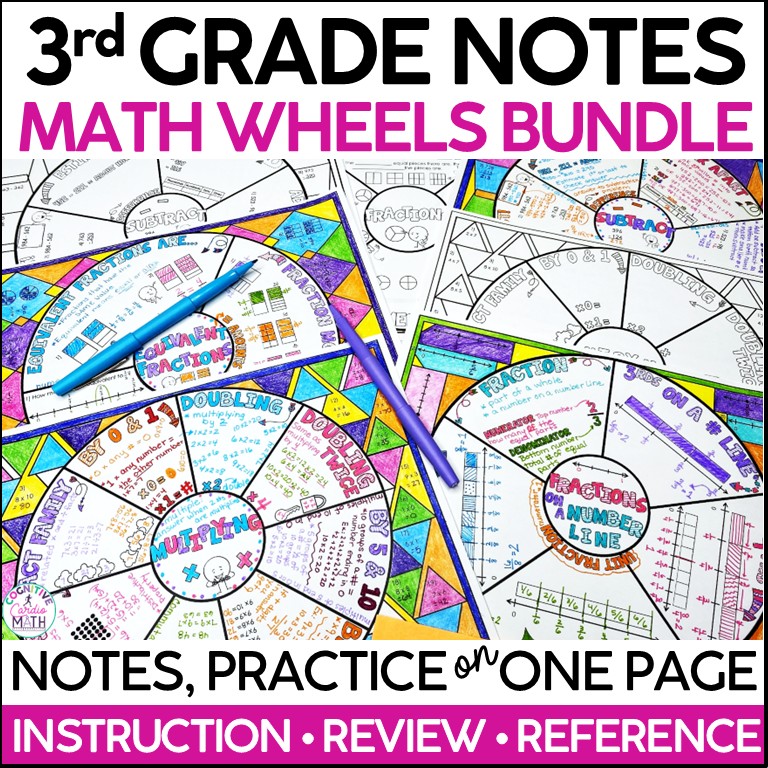
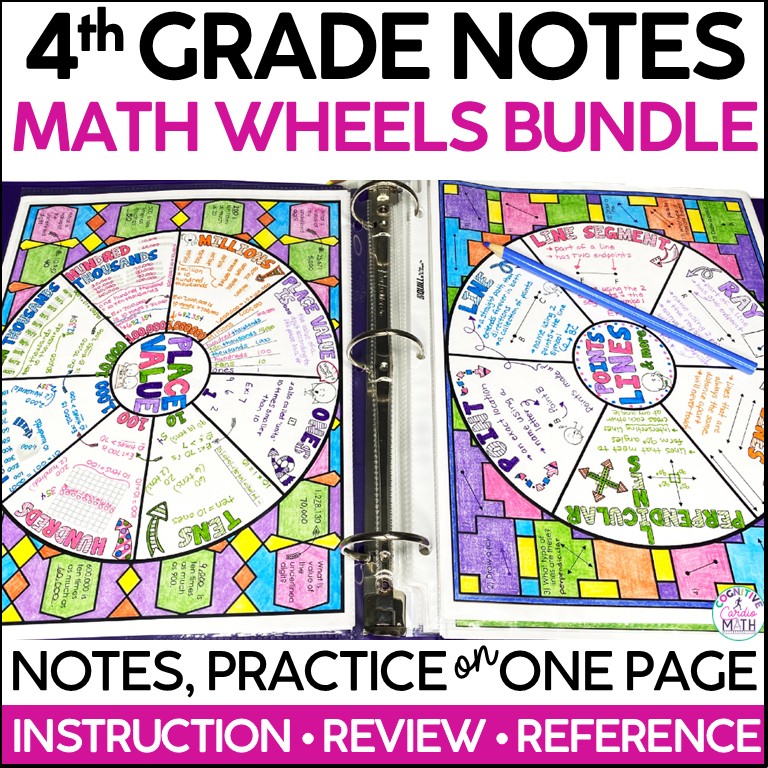
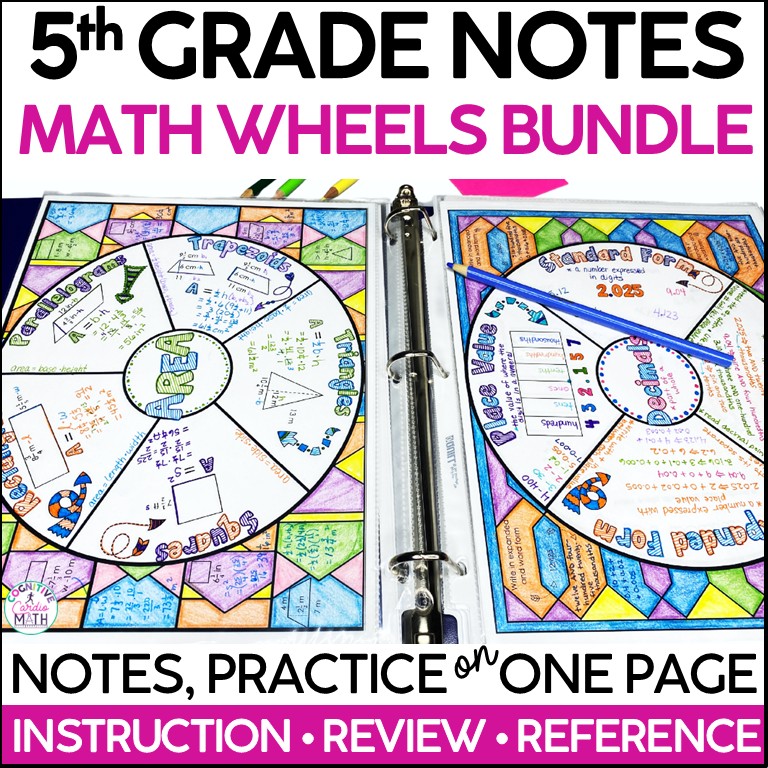
In my TPT shop you’ll find a variety of resources for equations that walk your students through each stage, starting with the building blocks and moving up to multi-step equations. Whether you’re looking for guided notes, practice pages, or engaging review activities, there’s something ready to go for your classroom.
Empower Your Students to Tackle Multi-Step Equations With Confidence
Teaching multi-step equations doesn’t have to be overwhelming for you or your students. When you break it down into manageable steps, build in visual tools like the math wheel, and create meaningful practice opportunities, you’re giving your students more than just math skills. You’re helping them develop perseverance, problem-solving strategies, and a sense of accomplishment that will carry them far beyond this unit. Confidence with multi-step equations comes from clarity and consistency. With the right scaffolds, your students will go from second-guessing themselves to stepping up and solving even the toughest problems.
Save for Later
Planning your multi-step equations unit soon? Don’t forget to save this post so it’s right at your fingertips when you need it. Pin it to your math board or bookmark it for later. You’ll want to come back to these ideas when it’s time to break down those big equations and build up student confidence!