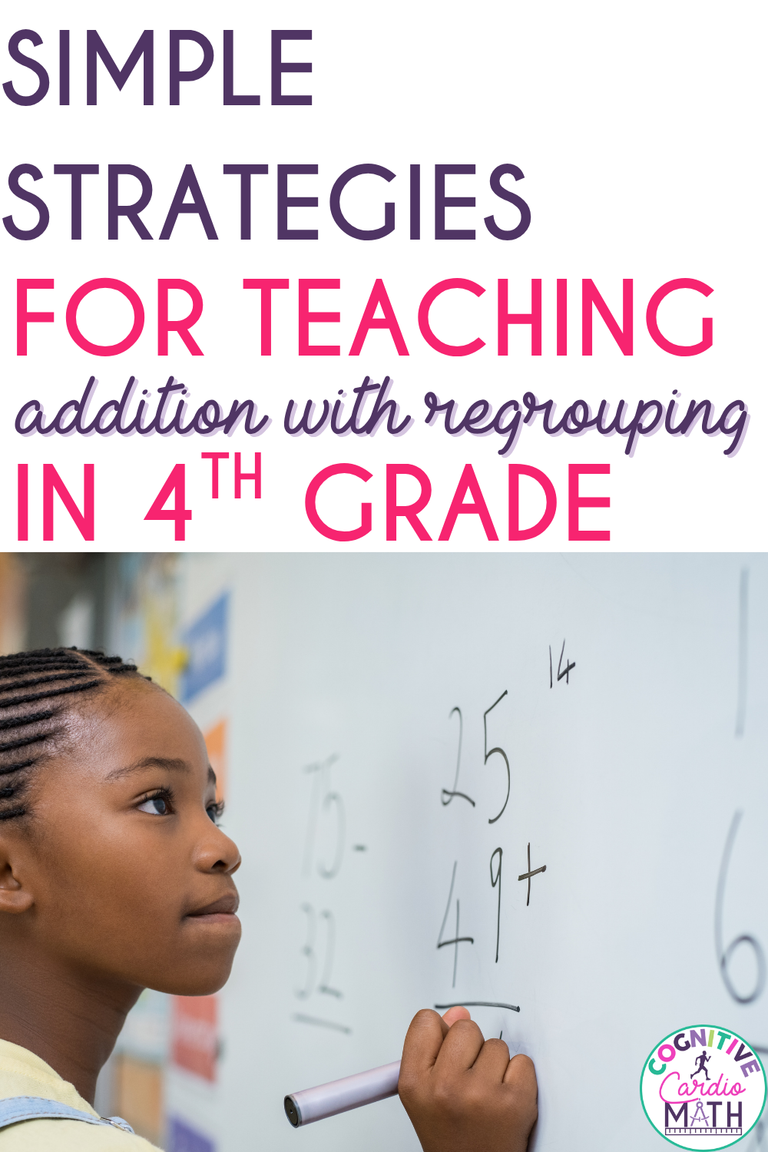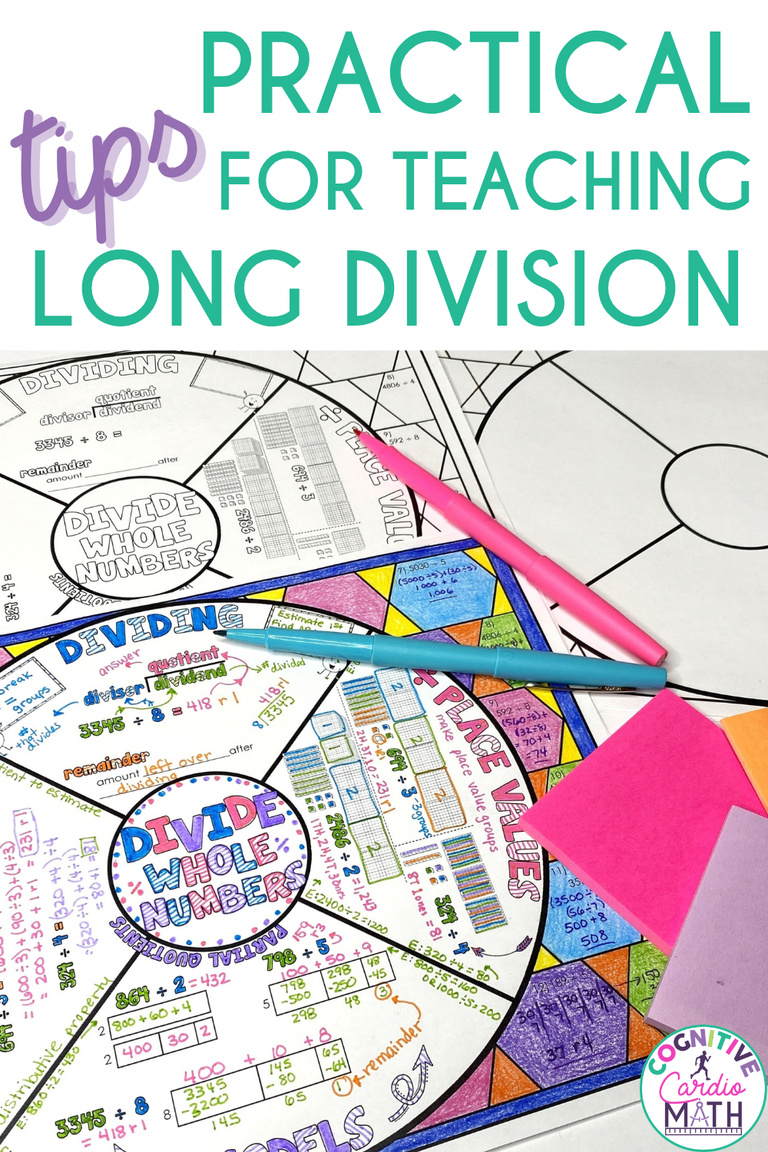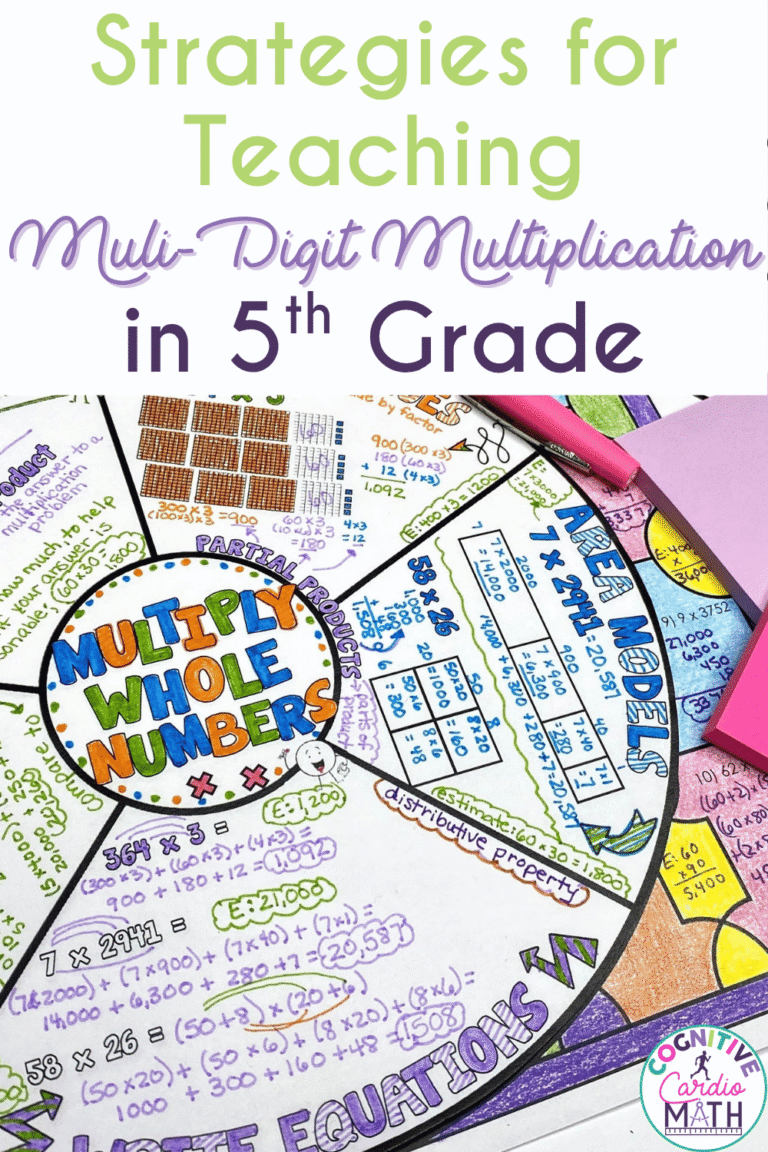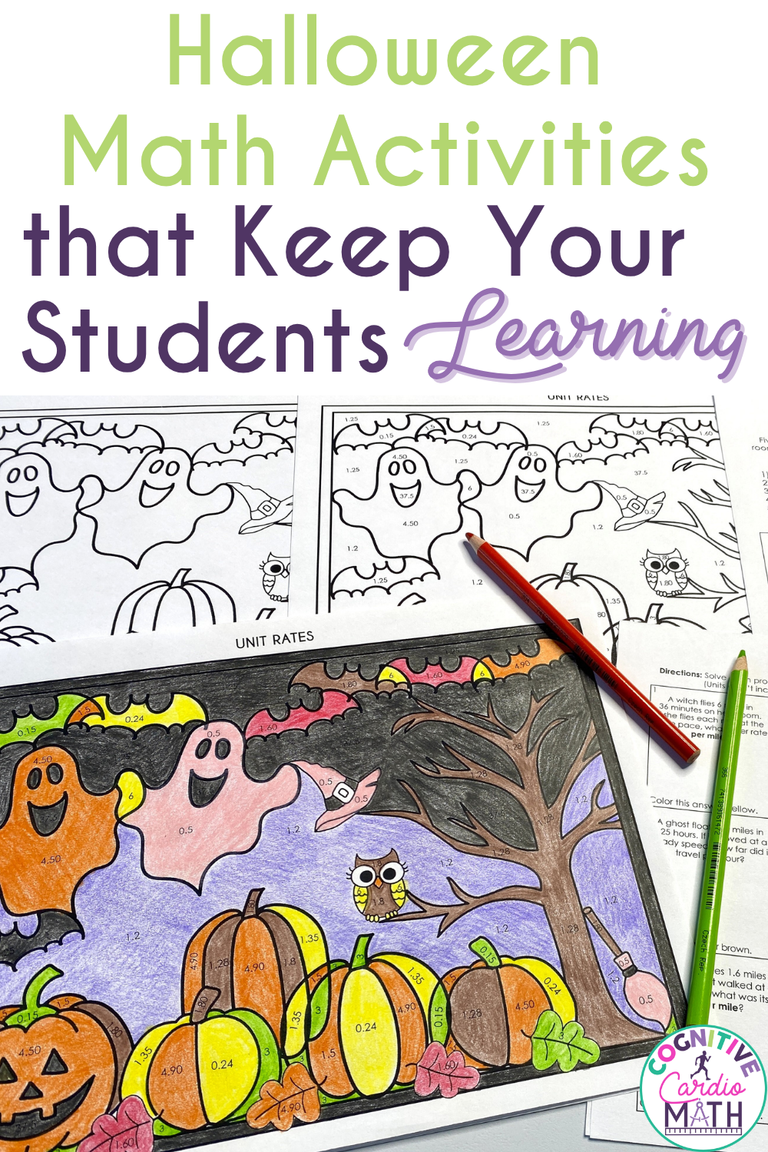
Addition with regrouping can seem pretty straightforward to us as teachers. Add the ones, regroup if needed, move to the tens, and keep going. For our students, a lot is happening in those few steps. They need to understand place value, keep their numbers organized, and remember what happens to those extra ones, tens, or hundreds when a place value reaches ten. When students struggle with addition with regrouping, more practice problems aren’t always the answer. Sometimes, we need to slow down and help them understand what regrouping means before expecting them to follow all the steps. Let’s look at a few simple strategies to make that process more concrete and help your students add multi-digit numbers with confidence.
Start Addition With Regrouping With Place Value
You may have noticed that your student knows to write a small 1 above the next column but doesn’t understand that the 1 represents a group of ten. That missing place value connection can make addition with regrouping feel like a set of rules to memorize rather than workable steps to use in every problem.
Start with a simple example such as 56 + 78. Focus only on the ones at first. Ask your students, “What is 6 ones plus 8 ones?” Once they get 14 ones, don’t immediately tell them to carry the 1. Instead, ask, “Can 14 ones stay in the ones place?” Break 14 into 10 + 4. The 4 stays in the ones place, while the 10 ones become 1 ten. This is the one that gets carried above to the tens column.
You can repeat the same conversation when your students reach the tens. In this example, they now have 5 tens + 7 tens + 1 more ten. That’s 13 tens, or 130. Ten of those tens can be regrouped as 1 hundred, leaving 3 tens. Write the 3 tens below the tens column, but since there are no hundreds to add, write the 1 hundred in the hundreds place in the answer. This explicit instruction helps students see that regrouping isn’t a trick we use in addition. We’re simply rearranging place value groups.
Connect Place Value to the Addition Process
After your students understand what regrouping represents, connect that understanding to how they’ll solve multi-digit addition problems on paper. This is where you want to show them that the numbers they write above each column actually represent the ones, tens, or hundreds they’ve regrouped.

Use a problem such as 2,768 + 1,457. Start in the ones place and think aloud as you work to solve it. “8 ones plus 7 ones is 15 ones. I can regroup 15 ones as 1 ten and 5 ones. I’ll write the 5 in the ones place and record the new ten with my other tens.” Continue through each place value using the same language.
As your students become more comfortable, you can gradually shorten your explanation. Eventually, they may no longer need to say every place value aloud. However, if a student starts making regrouping mistakes, you can return to that language. Asking them, “What does this 1 actually represent?” can tell you whether the problem is with computation or place value understanding.
Focus on Aligning Place Values Before Adding
Sometimes, the regrouping isn’t actually what causes the mistake. Your students may understand how to regroup, but some of them might start the problem with the digits in the wrong places because of sloppy writing or misunderstanding. Once the ones, tens, and hundreds are misaligned, even perfectly executed addition won’t lead to the correct answer.
Try putting 3,485 + 729 on the board horizontally before setting it up vertically. Ask your students where the 9 in 729 belongs under 3,485. Then ask where the 2 and 7 belong. Instead of giving them the rule to line up numbers on the right, keep bringing the conversation back to place value. Ones under ones, tens under tens, and hundreds under hundreds.
You can also deliberately set up a problem incorrectly and ask your students what they notice. Write 729 so the 9 is underneath the tens digit in 3,485. Then ask, “What would I actually be adding if I solved the problem this way?” Having students identify the place values can help them understand why alignment matters, rather than treating it as another addition rule.
This can also be a good time to address what poor handwriting can do when solving a problem. Purposely write 4,923 + 369 on the board with bad, misaligned handwriting, then try to solve it. Take time to show that sloppy writing can cause as many issues as messing up place value. Even if your students don’t have the neatest handwriting, show them that neatness in math can pay off in the end.
Use Color to Make Addition With Regrouping Easier to See
Once your students feel good about why they regroup, a simple color-coding trick can help them track what is happening on the page. Give each place value a color, or use a highlighter to draw attention to the number being regrouped. The goal isn’t to add another step for your students to memorize. It’s to make the movement between place values easier to see.
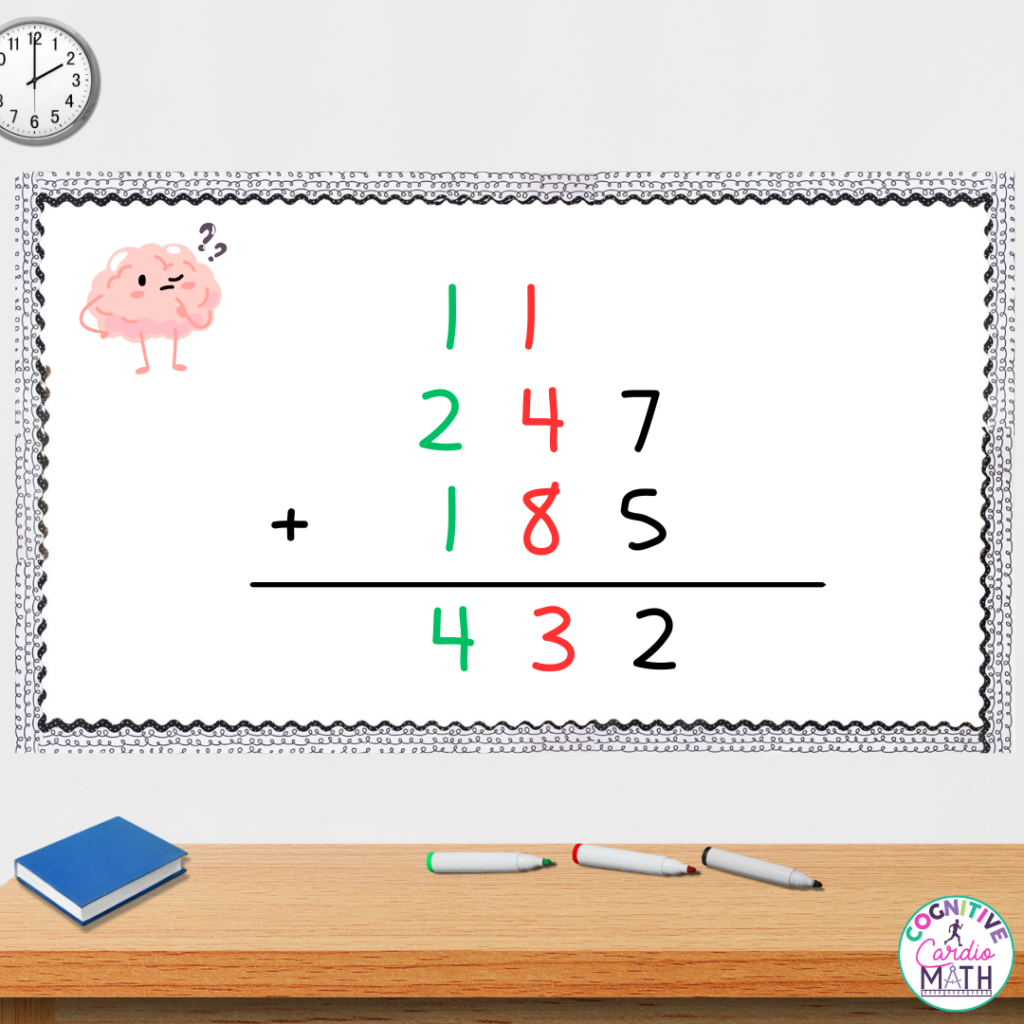
For example, use 247 + 185. After your students add 7 + 5 to get 12, have them highlight or write the regrouped 1 and the tens column with the same color. Then ask, “Where does this 1 belong, and why?” Your students can visually connect that regrouped ten to the other tens they are about to add with the consistent color. If they regroup again in the tens place, repeat the same process with a different color.
You can gradually remove the color-coding or highlighting as your students become more comfortable. Some of your students may only need it during your first few lessons. Others may benefit from using it longer. If students frequently forget to add the regrouped number, bringing back the use of color can give them a visual reminder without reteaching the entire process.
Use a Math Wheel to Organize the Process
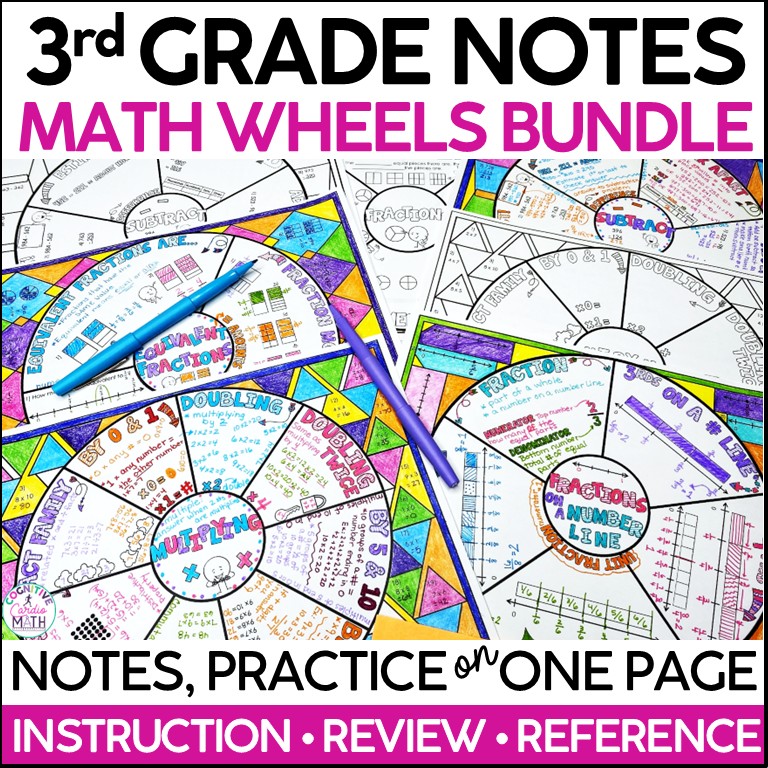
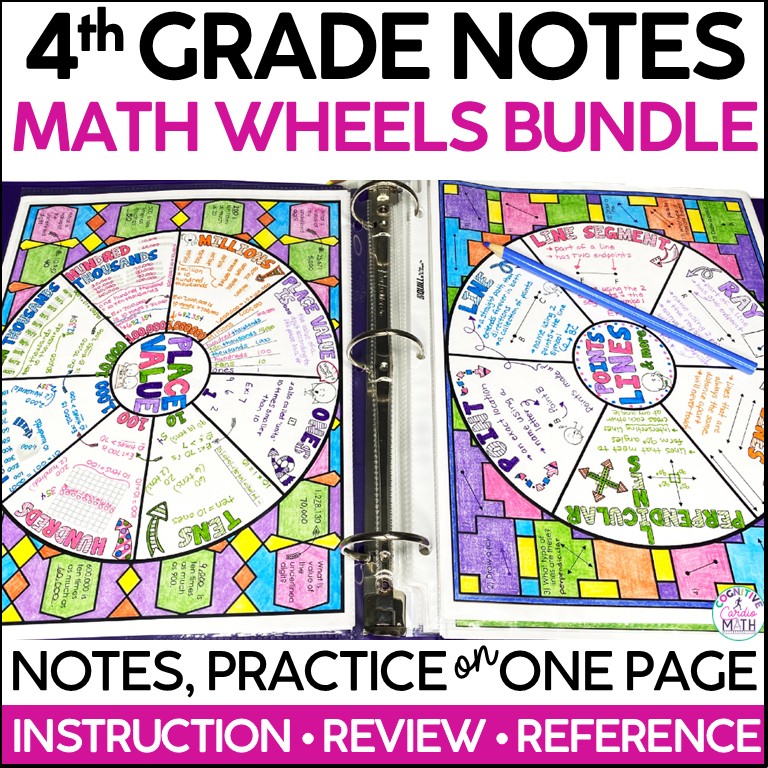
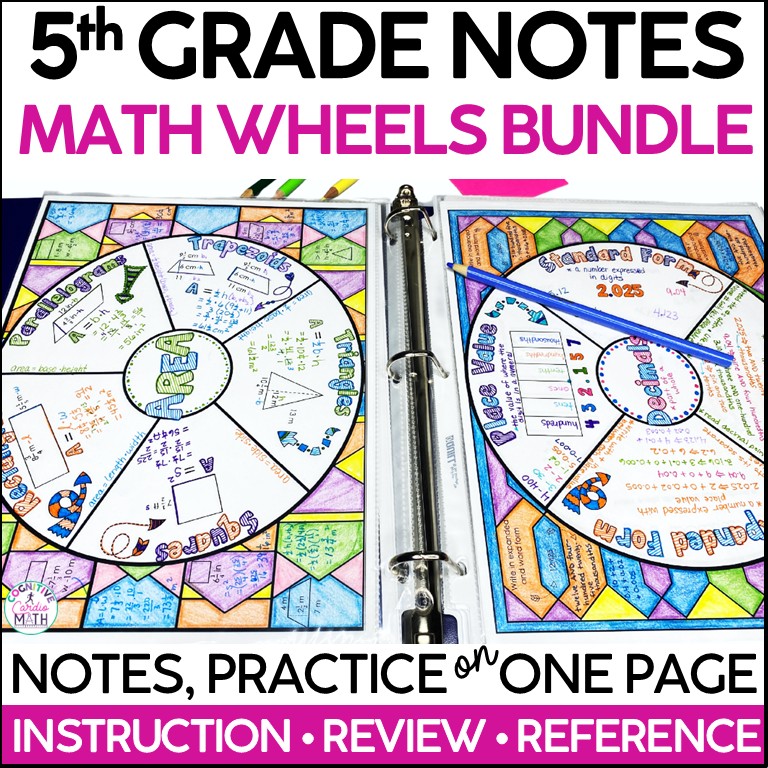
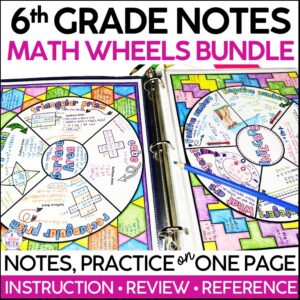
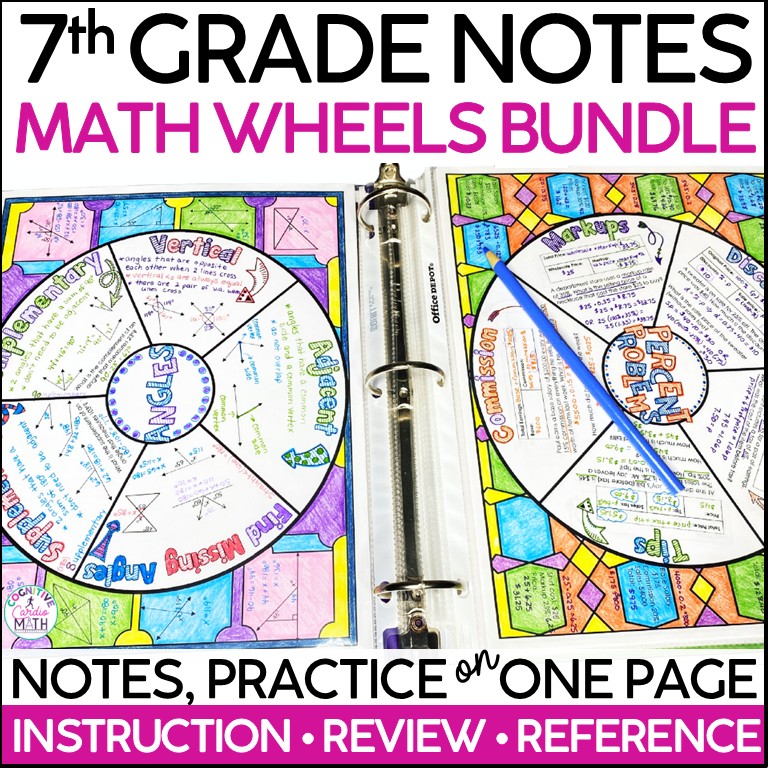
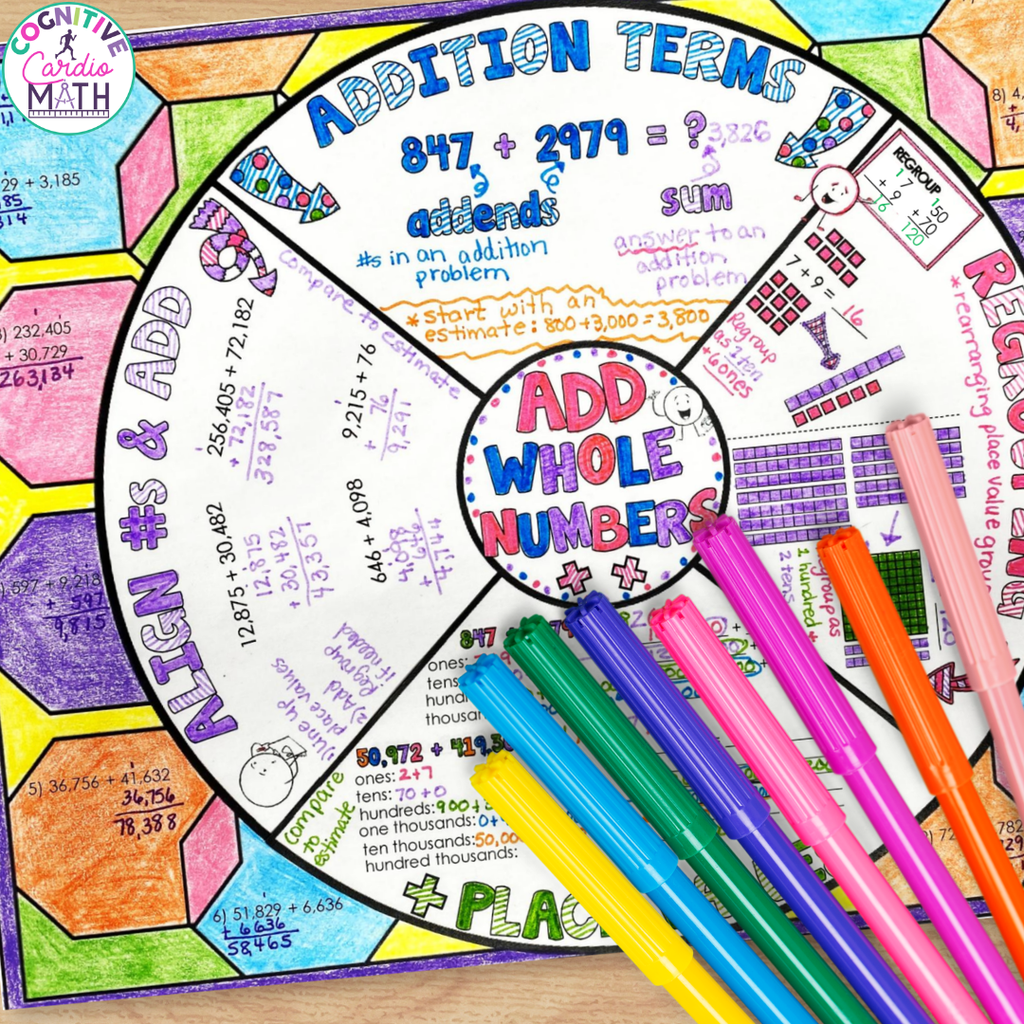
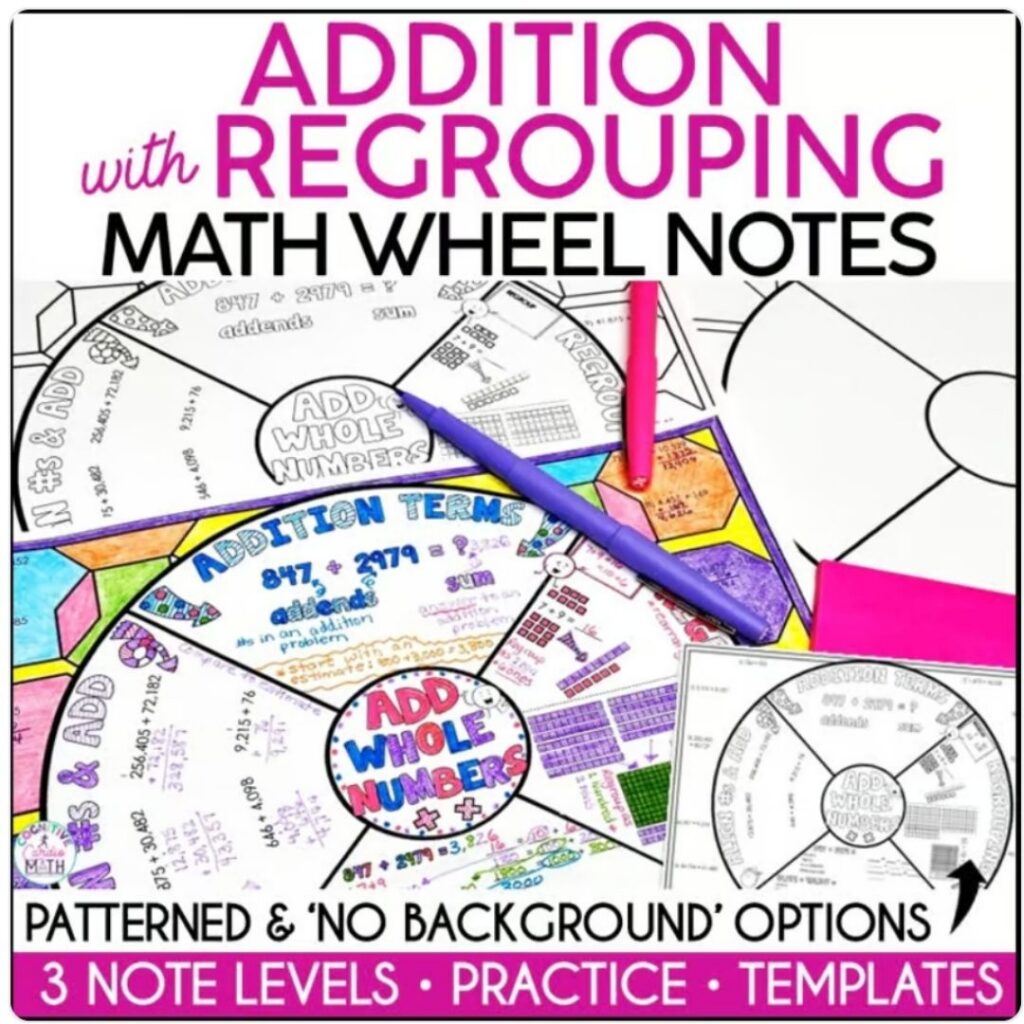
Once your students have explored regrouping with place value, you can start connecting that understanding to written notes and examples. My Addition With Regrouping Math Wheel can introduce or review addition of whole numbers. When the wheel is finished, your students can keep the completed wheel in their notebooks as a reference.
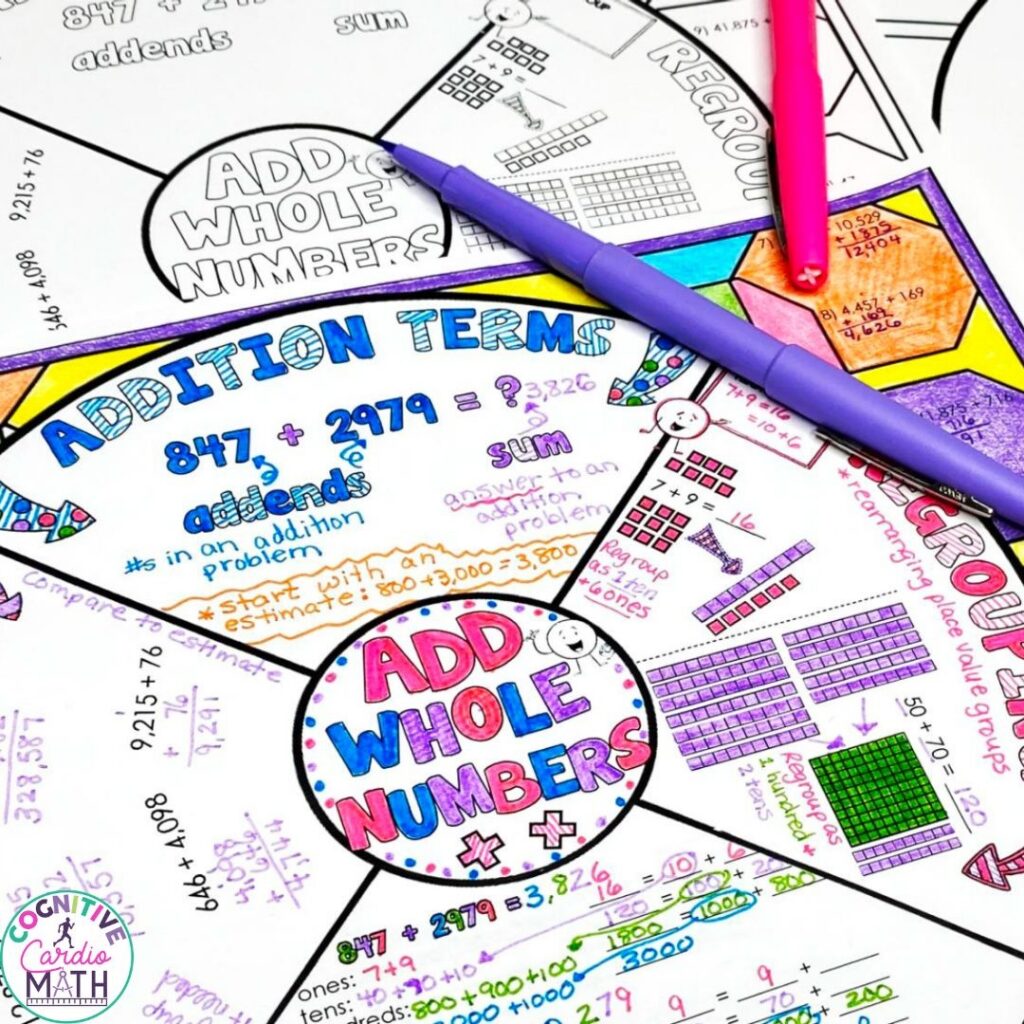
The wheel will help you move through addition terms, regrouping, adding by place value, and aligning numbers before adding. The regrouping section includes examples of regrouping ones into tens and tens into hundreds. The place value section gives your students another way to see how amounts move from one place to another.
You don’t have to complete the entire wheel in one lesson. Work through the sections as they match your instruction. You might complete the regrouping section while you’re modeling with place value representations. Later, you may return to the wheel when you’re ready for students to stack their numbers and add by place value. This gives students one organized reference they can return to during practice, and it builds as they get ready for the next skill.
Teach Your Students to Watch for More Than One Regrouping
Your students may feel successful after learning to regroup once in a problem. Then they encounter a problem that requires regrouping in several places, and suddenly the process feels new again. Make sure your examples gradually include problems where regrouping happens more than once.

When you model these problems, resist the urge to rush through the repeated steps. After each column, ask, “Do we need to regroup here?” This keeps your students focused on the value they just found rather than assuming every column works the same way.
It can also help to compare problems. Put one problem that requires regrouping once next to another that requires regrouping several times. Ask your students what stays the same about the process. They can begin to see that the number of times they regroup may change, but the place value reasoning behind each regrouping stays consistent.
Use Estimation to Check Addition With Regrouping
Estimation gives your students another way to check whether their answer makes sense. Before solving a problem such as 3,864 + 2,127, have your students find a quick estimate. They might think of the numbers as about 4,000 and 2,000. With that estimate, they will know their exact answer should be somewhere around 6,000.
After your students solve the problem, return to the estimate. If they get an answer like 59,910, they should immediately notice something doesn’t fit. Instead of simply marking the problem wrong, ask them, “How does your answer compare to your estimate?” That question puts some of the checking back into the student’s hands.
Estimation is also included as an optional part of my Addition With Regrouping Math Wheel. I recommend beginning with an estimate and comparing the final answer to it. However, I designed the wheel so you can leave estimation out if it isn’t part of your instruction.
Give Your Students Meaningful Addition With Regrouping Practice
Even after your students understand the process, they still need enough practice to become accurate and efficient. At this point, you can mix problem types instead of giving them a page where every problem looks exactly the same. Include problems with different numbers of digits, problems requiring regrouping in different places, and problems that require your students to apply addition in context.
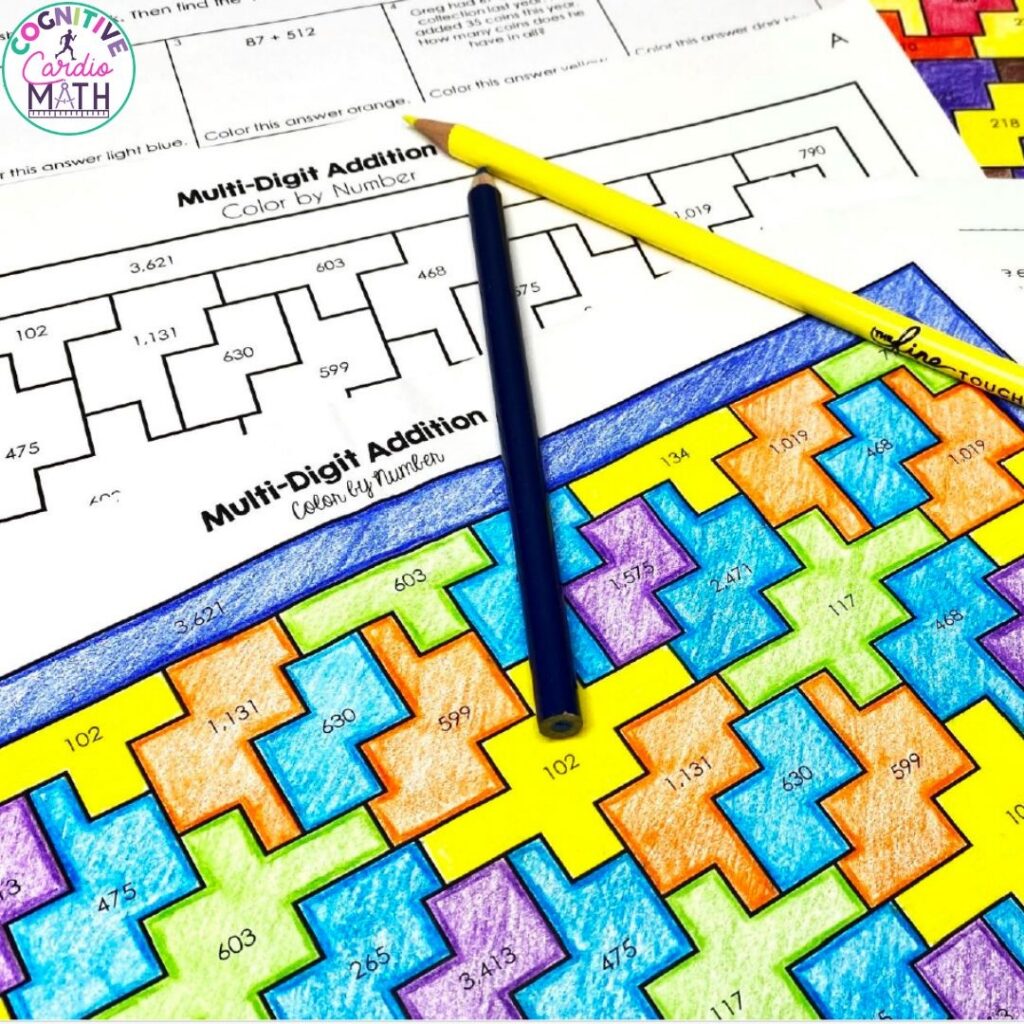
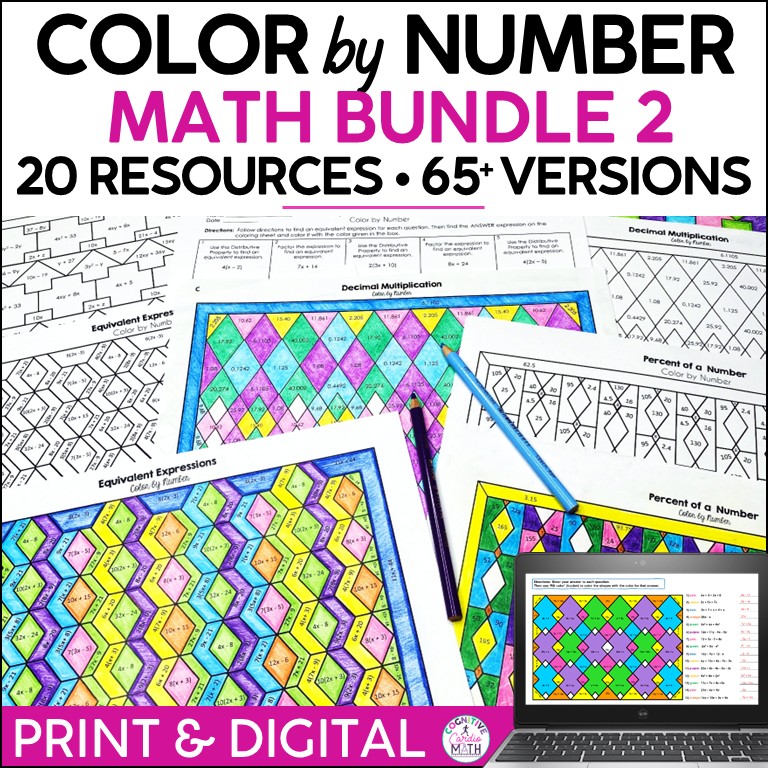
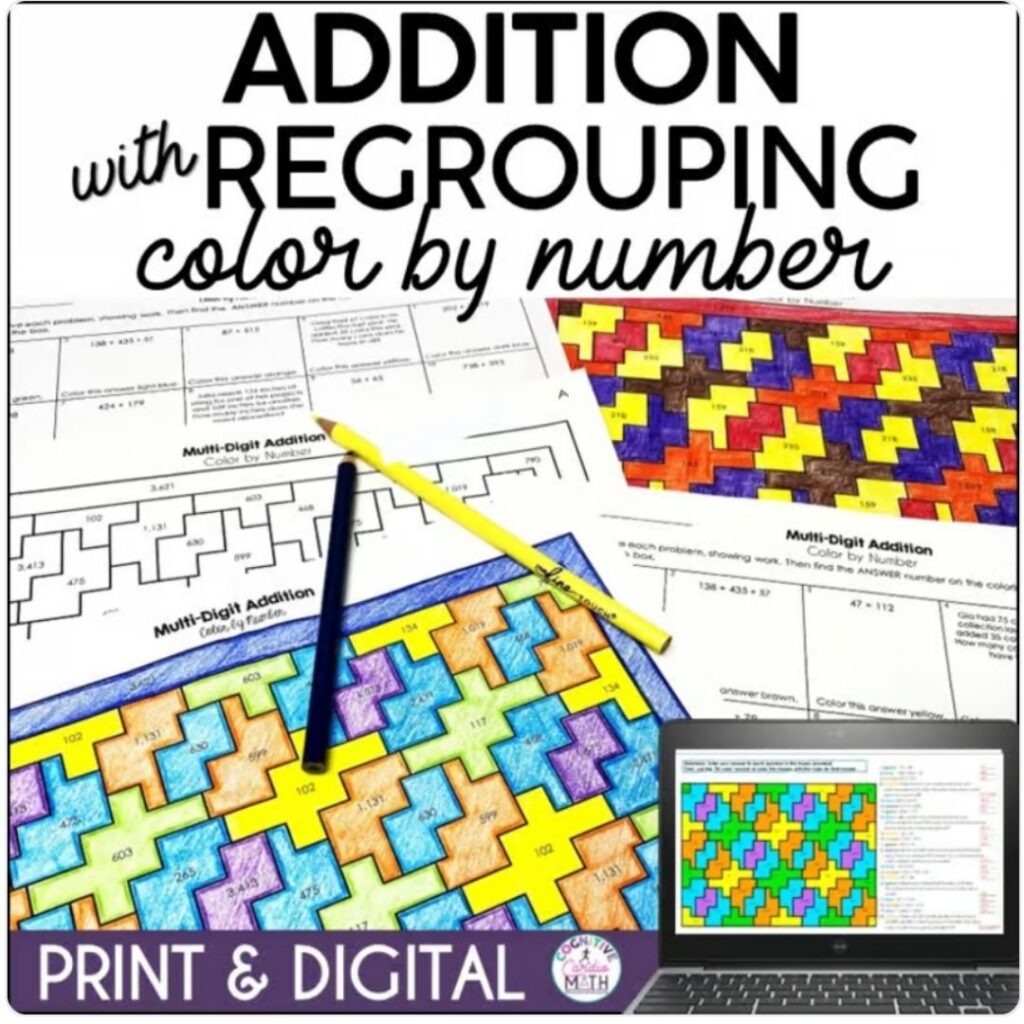
My Addition With Regrouping Color by Number gives your students another way to practice multi-digit addition. In this activity, your students solve each problem. Once they have an answer, they find it on the coloring sheet. Then, they color that section using the indicated color. I included problems with two-, three-, and four-digit numbers, three addends, and even addition word problems.
Look at your students’ work during practice to decide what needs another mini lesson. If several of your students are getting incorrect answers because their numbers aren’t aligned, revisit place value. If they’re forgetting to include the regrouped amount, return to a visual model. Their mistakes can show you which part of the process needs more attention instead of automatically assigning another full page of addition problems.
Find More Math Resources for Your Math Instruction
Addition with regrouping doesn’t have to become a list of steps your students memorize and hope they remember. When you connect regrouping to place value first, your students can understand why the addition process works. Then, as they gain experience, those steps can become faster and more automatic. When your students get stuck, keep returning to the meaning behind the numbers. The goal isn’t just for your students to get the correct sum. It’s for them to understand the math they’re using to get there.
Teaching addition with regrouping gets easier when your students have resources that support them through different stages of learning. You may need visual notes while you’re introducing the skill, additional practice as your students build accuracy, or review activities later in the year. Grab my Addition With Regrouping Math Wheel or Addition with Regrouping Color by Number to bring these strategies into your classroom.
Explore my TPT shop for more math wheels, color by number activities, complete units, task card activities, and other math resources. Whether your students need more support understanding a skill or more opportunities to practice independently, you can find resources to help you meet them where they are.
Save for Later
Save this post to your favorite Pinterest board so you can come back to these strategies when you’re planning your addition with regrouping activities. You’ll have ideas for building place value understanding, modeling regrouping, moving into multi-digit addition, and giving your students meaningful practice.