Some days, you have a full, calm math block with time to teach, practice, and reflect. Other days, the schedule gets chopped up, your kids are bouncing off the walls, or you’re trying to squeeze learning into the time you actually have. That’s why I liked to use math activities that were flexible…easy to use in different ways. Today, we are diving into 3 versatile math activities that will make your life in the classroom easier.
Choose Math Activities That Make Your Planning Easier

Versatile math activities save you from reinventing the wheel every week. When you have an activity format that stays consistent, you can plug in new content without re-teaching a brand-new routine. That consistency matters because it reduces transition time, which is one of the biggest hidden time-wasters in a math block. It also helps your students feel more confident because they know what the “job” is as soon as the activity starts. When your students aren’t confused, you spend less time troubleshooting and more time actually teaching.
Having math activities that are flexible also helps you respond to what your class needs that day. If your students need more support, you can run the same activity with more teacher guidance. If they need independence, you can use that exact activity as practice while you pull a small group. Maybe you have a class that needs energy management, so you choose the movement-friendly version of the activity instead of forcing quiet seatwork when it isn’t realistic. The same math activities can meet different needs. That is what makes them worth keeping in rotation.
The other piece that matters is how these math activities help you build predictable routines. Your students will do better when the structure is familiar, even when the math content changes. Familiar routines reduce behavior issues because your students know the steps and can start without waiting for you. That’s especially helpful on days when you’re juggling a million things, and you need learning to keep moving. When your math activities are repeatable, your classroom runs more smoothly, and your planning time gets lighter.
Math Activities That Get Students Moving and Working Together

Sometimes, the best classroom management decision you can make is choosing math activities that let your students move in a structured way. Movement doesn’t automatically equal chaos when the expectations are clear and the task is purposeful. Math activities with movement often lead to better focus. Your students get a chance to reset their bodies while still working. When your students are stuck sitting too long, you’ll often see off-task behavior spike, even when the math is solid.
Collaborative math activities also create built-in motivation. Your students feel like they’re working with someone, not just completing another assignment. When you have your students collaborate, they naturally compare answers, ask questions, and explain steps to each other. That is exactly the kind of math talk you want. It happens more naturally in a partner or group setting than during silent independent practice. Collaboration also helps you spot misconceptions faster because you can listen in as your students work.
The real win is when math activities can shift between movement and collaboration depending on your needs. On one day, you might use the format as a full-class rotation that gets your students up and moving. On another day, you might keep the same format but run it in small groups so you can listen to their strategies more closely. The activity stays familiar, but your implementation changes based on the moment. That flexibility is what makes these math activities feel like tools instead of one-time lessons. Since your students know the routine, you can make those shifts without spending half the class time explaining directions again.
3 Versatile Math Activities You Need in Your Teacher Toolbox
1. Truth or Dare Games
Truth or Dare Games are not what you think. There are no crazy dares that are likely to get your kids in trouble. Instead, it’s a task card based game with 2 levels of questions. It’s fun, engaging, and perfect to use in many different ways in the classroom.

To play Truth or Dare, students choose the type of question they want, answer a question, and track their work. They will use a recording sheet that has space for multiple answers and points. Truth questions are true and false questions worth 1 point. Dare questions are more difficult questions that require more application or student work. These are worth 2 or 3 points. Your students share the question, each solves it, and shares their answer with the group. You can keep the activity calm and structured by setting a simple expectation that every answer needs a quick explanation before anyone records points.
One way to use these Truth or Dare math activities is as a small group station while you meet with other students. Since the game includes built-in recording, you can collect the sheets as evidence of practice and accountability. You can also decide how answer checking will work based on your class. You can assign an answer-checker role or use an answer key after your students finish. If you want immediate feedback, the answer-checker role keeps the group moving and encourages discussion when someone disagrees.
Another way to use Truth or Dare math activities is with your whole class. You can do this by placing the cards around the room, and you let your students choose which ones to answer. This gives you the chance to turn it into a movement-based activity when your class needs that energy outlet. You can also adjust pacing by setting a time goal, rather than trying to finish every card. If you want to differentiate without making it obvious, you can choose which deck a group starts with. You can even ask certain students to begin with “Truth” before moving to more challenging problems on Dare cards.
2. Color by Number Math Activities
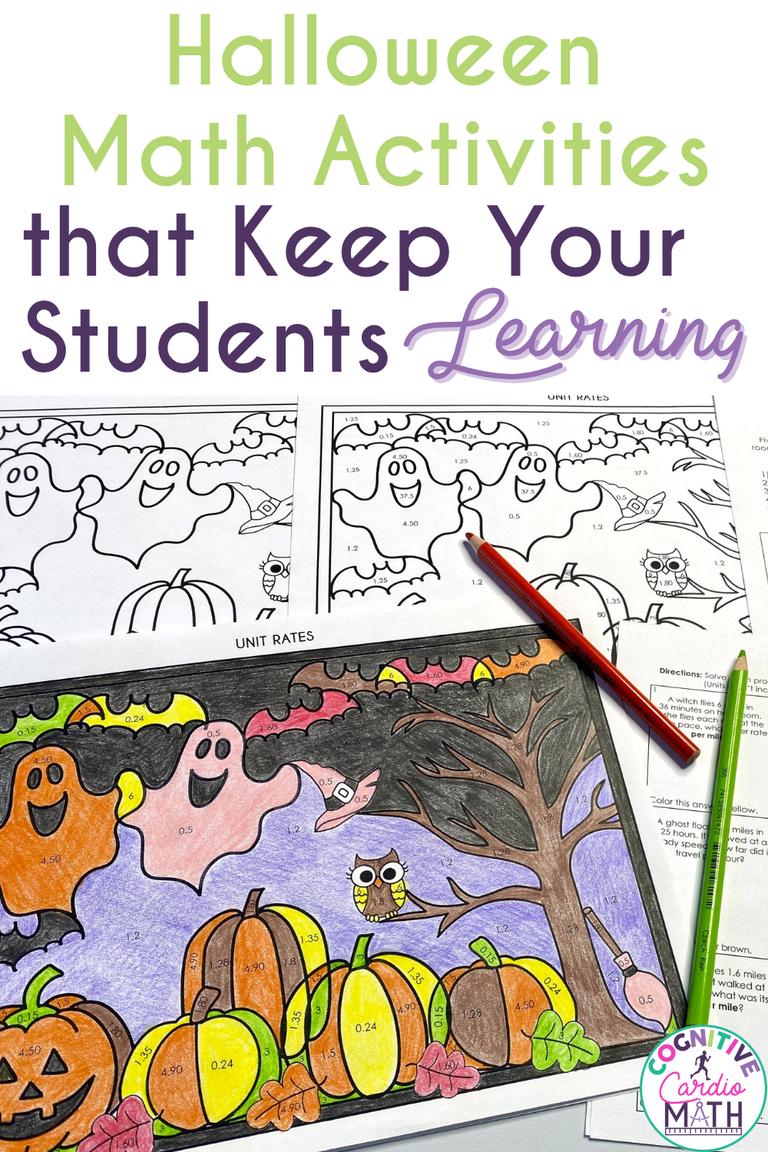
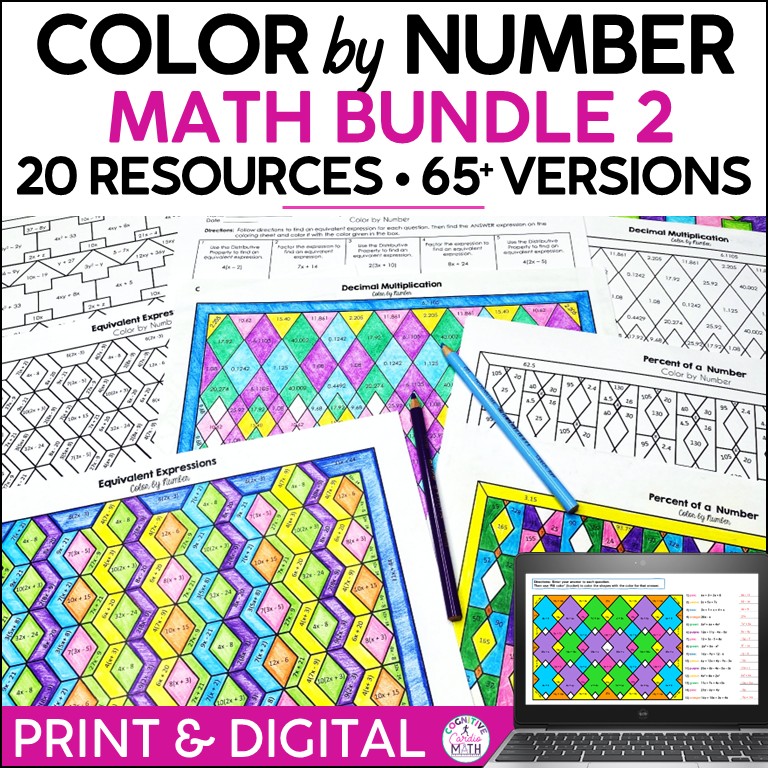
Another versatile math activity students love is color by number. Color by Number math activities work because they combine practice with a visual payoff. Their structure encourages accuracy in a way that feels calming and motivating.

Your students solve each problem. Then, they find the matching answer on the coloring sheet and color that section with the color indicated. That routine is simple enough that your students can do it independently once you model it. This makes it perfect for days when you need quiet focus. When your students know what to do, you can focus on supporting your students who need help instead of repeating directions.
You can introduce it by doing one problem together and showing how to locate the answer on the coloring page. If you want to keep it truly focused, you can set the expectation that all problems must be completed before coloring. This keeps your students from rushing.
You can also use color by number activities as a partner or small group activity. This opens the door for more collaboration as students work through the problems.
Looking to add some technology into your class? Try the digital version of color by number. This makes it a great option when you want the same benefits without paper. The digital version has your students typing answers and using the fill color tool to digitally color shapes.
3. Footloose Task Cards
If you are looking for an authentic way to incorporate movement into your math class, then Footloose is your answer. Footloose task cards encourage movement while still keeping your students accountable.

Each of your students gets a Footloose grid and starts with one card. They answer it, write the answer in the box that matches the number on the card, and then return the card to the spot before grabbing a new one. That process is simple, but it creates a steady rhythm that keeps the room moving with purpose.
One way to use Footloose math activities is as a full-class rotation when your students need movement. You can place the cards in a central spot, like a table or ledge. Then, have your students rotate one at a time. If you want more movement, you can also tape the cards around the room so your students walk to them in the order they choose. That option can be especially helpful when you want to spread your students out and reduce crowding in one area. You will need to set a clear expectation that your students should work quietly and only talk if they are asking a partner to check a specific answer.
Another way to use Footloose task cards is for practice and review that still gives you useful data. Use one or two cards at a time as a math warm-up or exit ticket. This is an easy way to get a quick look at how students are doing with a skill or concept.
Choosing Math Activities That Actually Work All Year
At the end of the day, the most effective math activities are the ones you can use more than once and in more than one way. Truth or Dare games, color by number activities, and Footloose task cards work because the format stays consistent while the math changes. That flexibility allows you to adjust how you use each activity based on your students, your schedule, and your instructional goals without starting over every time.
When your students know the routine, transitions are smoother, engagement stays higher, and you get more time to focus on teaching instead of managing directions. Building your math block around math activities like these makes planning more sustainable and learning more intentional. Those are the activities that truly earn a permanent spot in your classroom!
Ready to Make Your Math Block Run Smoother?

Head over to my TPT store, where you can find lots of versatile math activities you can use in your classroom. You will find a variety of Truth or Dare Games, Color by Code for many key math skills, and Footloose Task Cards.
Each of these can be used in many ways to help you meet the needs of your students. Give one a try this week!
Save for Later
If you’re always on the lookout for math activities that can be reused without extra planning, this is a post worth saving. Save this post to your favorite math Pinterest board, so you have ideas on hand the next time you want math activities that work without adding more to your plate.