Your students can plot (−3, 5) without accidentally landing in the wrong quadrant. Success! But graphing on the coordinate plane doesn’t stop once students can correctly plot an ordered pair. Now you get to take those skills they’ve been practicing and show them what else they can do with them. Reflections, polygons, area, and distance all build on that same foundation, and this is where the coordinate plane starts to get a lot more interesting.
This is part 2 of my series on teaching coordinate planes in 6th grade. In part 1, How to Teach Graphing on Coordinate Planes in 6th Grade, we walked through introducing the parts of a coordinate plane, teaching students how to plot and read ordered pairs, expanding graphing into all four quadrants, and moving from guided to independent practice. If your students are still working on those foundational skills, head over to part 1 for the teaching ideas and strategies you need to help them build a strong foundation.
If your students are comfortable with ordered pairs and ready for the next step, you’re in the right place. In this post, we’re going to build on those graphing skills with reflections, polygons, area, and distance. These skills help students see that graphing on the coordinate plane isn’t just about finding where a point belongs. The coordinate plane is a tool they can use to solve a variety of math problems. Let’s dive in!
Move From Plotting Points to Graphing Reflections
Once your students understand how to plot points in all four quadrants, reflections are a great next step because they already have the graphing skills they need. Instead of introducing the rules for reflections right away, start with what they can see on the coordinate plane. Plot a point and its reflection together, then ask your students what they notice. Where did the new point land? What stayed the same? What changed?
For example, plot (3, 4) and reflect it across the y-axis. Once students identify the new point at (−3, 4), compare the two ordered pairs. Guide them to notice that the y-coordinate stayed the same while the x-coordinate changed signs. Then try another example across the x-axis and have students look for the pattern again. Giving them several examples helps them understand why the coordinates change instead of simply memorizing another graphing rule.
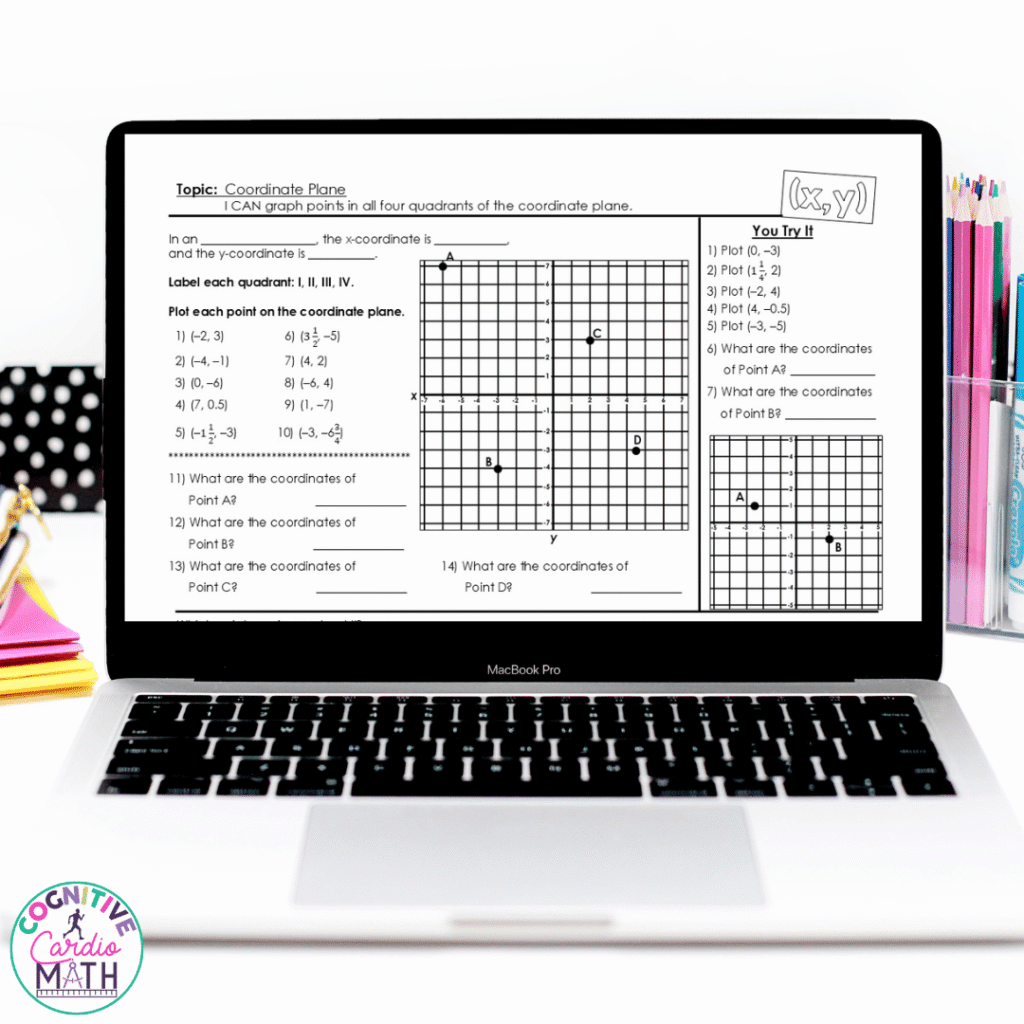
My Plotting Points and Reflections lesson includes guided practice you can use to work through reflections together before students try them independently. Have students plot or locate the original point and its reflection, then focus your discussion on what happened to the coordinates. As they become more comfortable recognizing those patterns, they can begin using what they notice to graph reflections on their own.
Use Ordered Pairs to Create Polygons on the Coordinate Plane
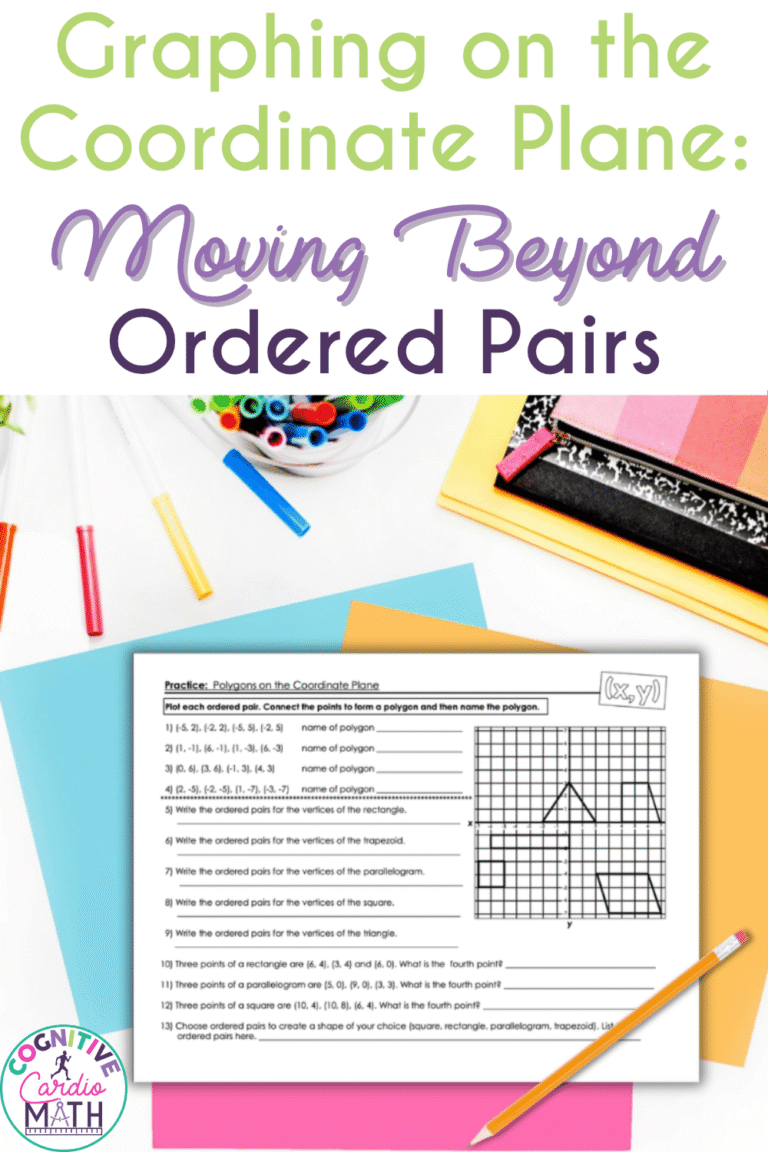
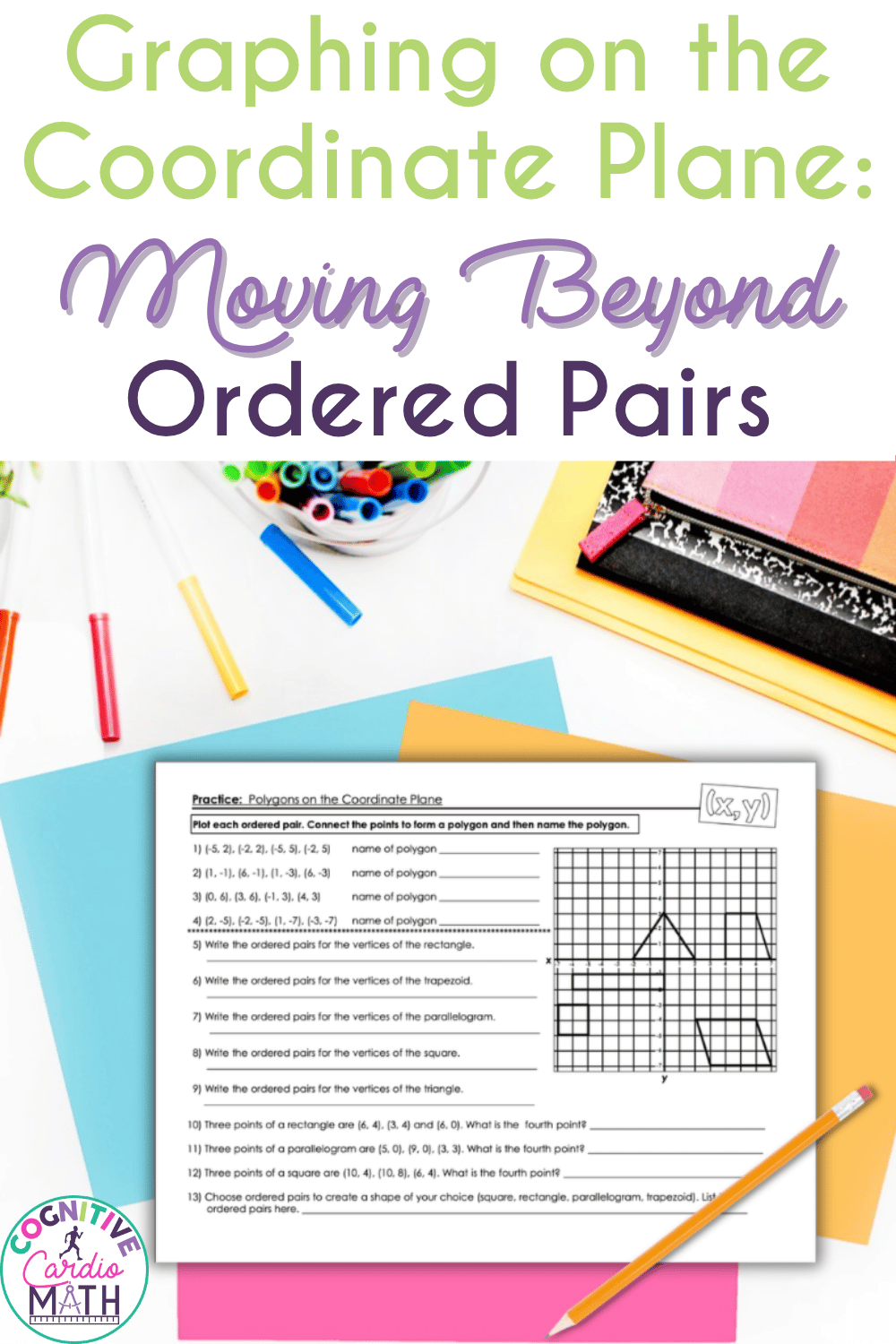
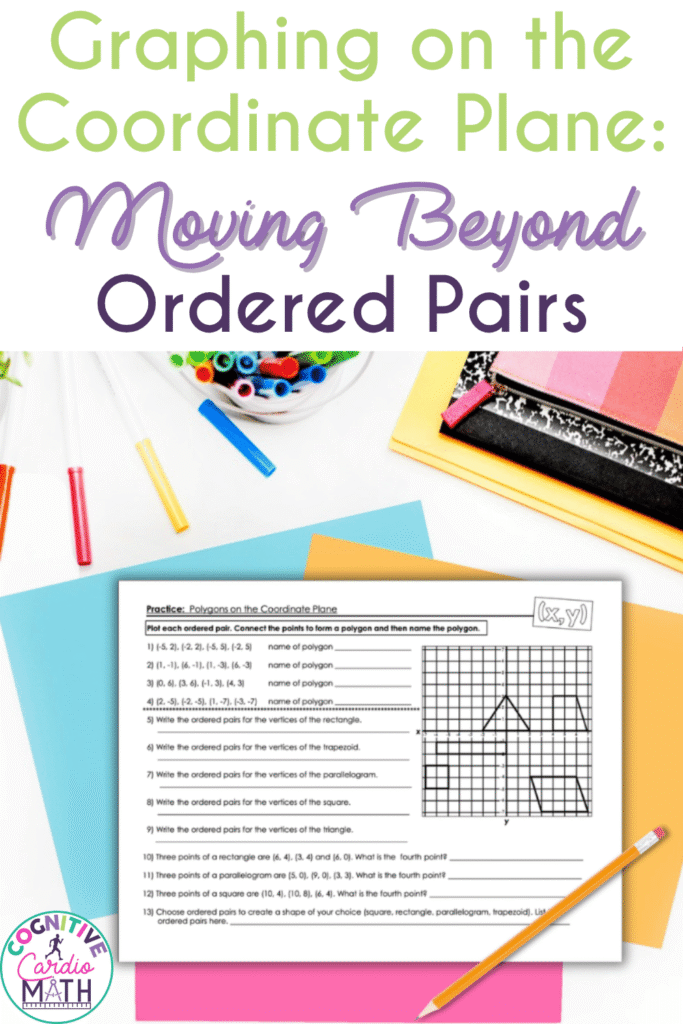
Now that your students are using ordered pairs to plot points and reflections, you can challenge them to work with multiple points at once. Start by giving your students several ordered pairs to plot and connect. Once the shape appears, ask them to identify the polygon and explain how they know. Then reverse the process by showing a polygon and asking your students to identify the coordinates of its vertices. Eventually, you can provide three vertices and challenge your students to determine the missing coordinate needed to complete the shape.
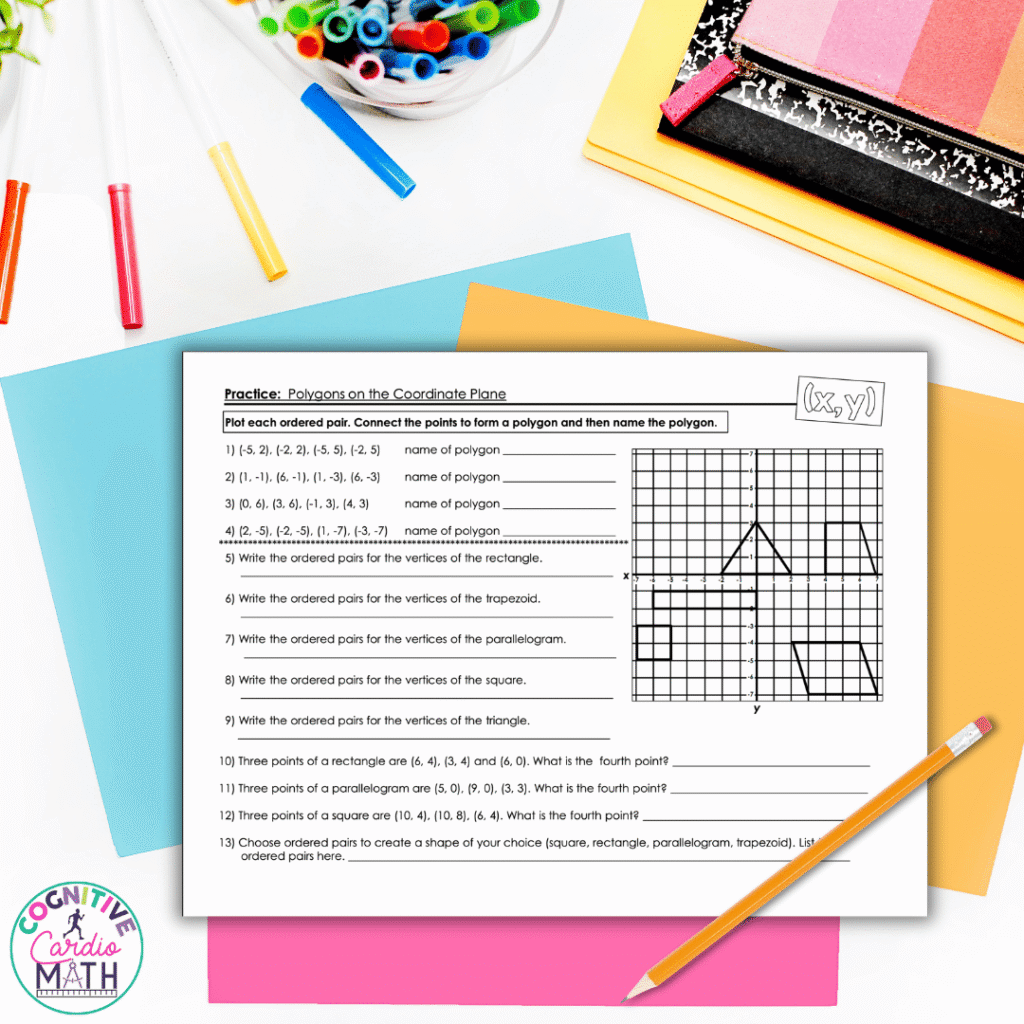
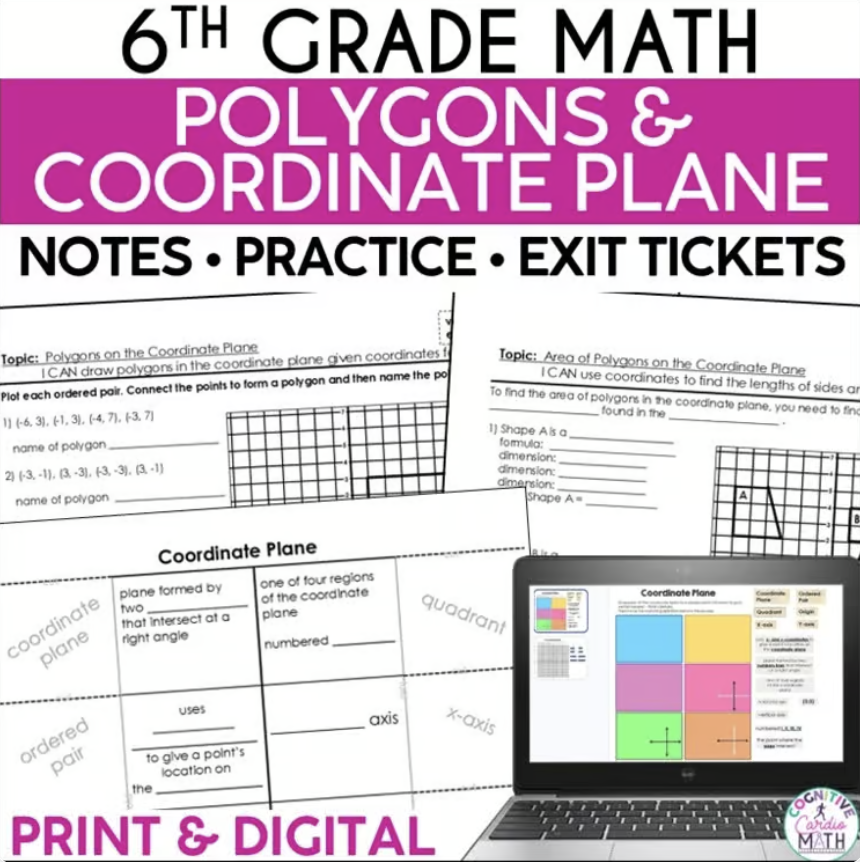
My Polygons on the Coordinate Plane lesson gives your students guided practice with this progression before moving them into independent work. Students plot and identify polygons, name vertices, find missing coordinates, and even choose coordinates to create their own shapes. There are also “Explain” questions that give students a chance to think about the patterns they see rather than relying only on graphing.
Use the Coordinate Plane to Find the Area of Polygons
Once your students can create and identify polygons on the coordinate plane, finding area is a natural next step. Instead of giving students the side lengths, have them use the coordinates and the graph to determine those measurements. Now the ordered pairs they plotted are giving them information they can use to solve another problem.
The Area of Polygons lesson continues this progression with guided practice, independent practice, and exit tickets. Moving from plotting a polygon to finding its area helps your students see that graphing isn’t the final goal. The coordinate plane is a tool they can use to solve increasingly complex math problems.
Find Distance on the Coordinate Plane
Finding distance gives your students another opportunity to use the coordinate plane for more than plotting points. Start with two points that share either an x-coordinate or a y-coordinate and plot them together before asking your students to calculate anything. This gives them a visual representation of the distance they’re trying to find and helps connect the ordered pairs to the math they’ll use to solve the problem.
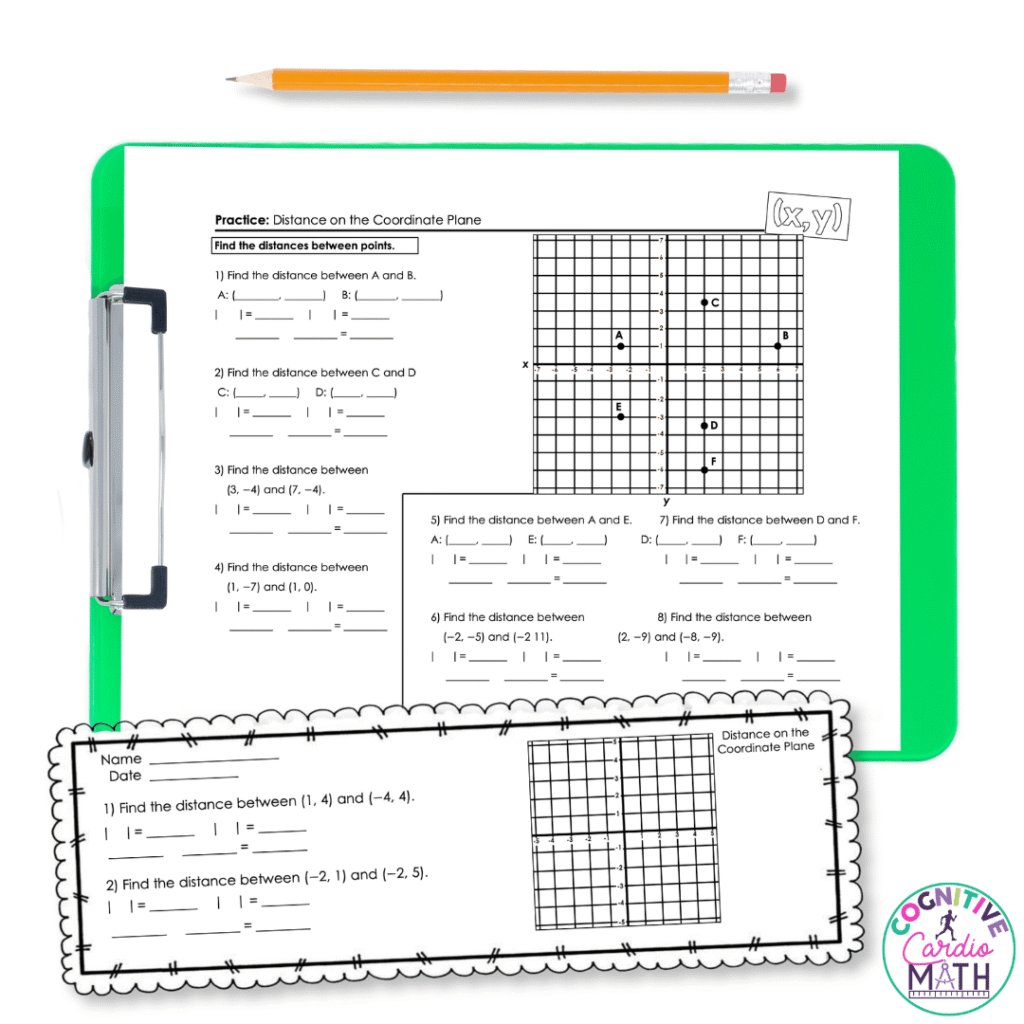
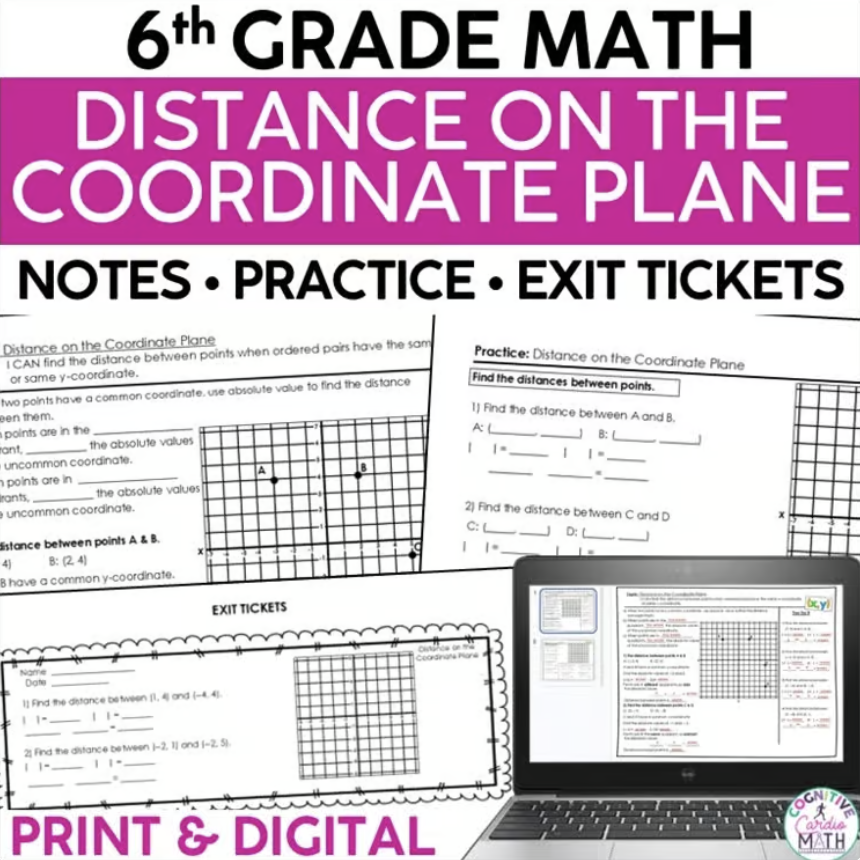
For example, plot (−3, 4) and (2, 4) and ask your students what they notice. Both points have the same y-coordinate, so the distance between them is horizontal. From there, have students look at the x-coordinates and connect the distance they see on the graph to the calculation. Work through several examples together, including points on opposite sides of an axis, so students learn to use the coordinates rather than simply counting spaces on the graph.
My Distance on the Coordinate Plane lesson includes notes, modeled examples, and “You Try It” questions before students move into additional practice. You might complete the first problem together, have partners tackle the next one, and then ask students to finish a few independently. This gives you a chance to see whether they understand how the coordinates help them find the distance before removing that support.
Check Understanding Before Moving Forward
As your students move beyond simply plotting ordered pairs, take a few minutes to see what they can do without your help. A short exit ticket can tell you much more than asking, “Does everyone understand?” Look beyond right or wrong answers and pay attention to where their thinking begins to break down. Can they graph the points correctly but struggle to identify a reflection? Can they create a polygon but get stuck when they need to find a missing vertex or calculate distance?

Each of my individual coordinate plane lessons includes exit tickets you can use for these quick checks. The Plotting Points and Reflections, Polygons and Area, and Distance lessons each have two exit tickets, so you can use one immediately after instruction and save the other for another quick check later.
Use those responses to decide what comes next. If your students are ready, continue building on their graphing skills. If several students make the same mistake, start your next lesson with one targeted example. A few minutes spent clearing up that misconception now can keep it from getting in the way as the coordinate plane problems become more complex.
Coordinate Plane Resources for the Next Step
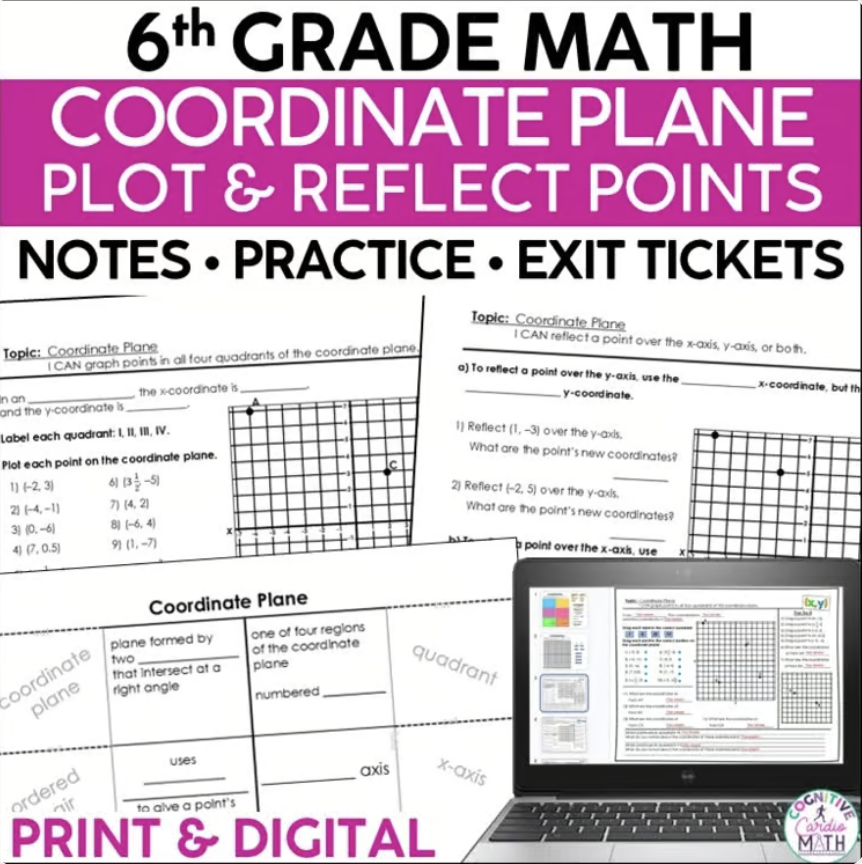
If your students are ready to move beyond basic graphing on the coordinate plane, you can choose the resource that matches the skill you’re teaching next. The Plotting Points and Reflections lesson helps students build from plotting ordered pairs into reflections. The Polygons on the Coordinate Plane lesson moves into plotting polygons, finding missing vertices, and calculating area, while the Distance on the Coordinate Plane lesson gives students focused practice finding distance between points.
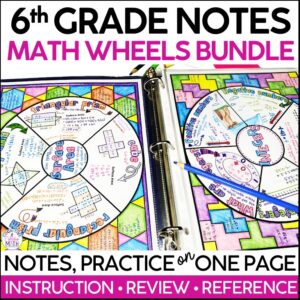
If you’re looking for these concepts as part of a larger unit, you can also find them in my Rational Numbers unit and Geometry unit. That way, you can grab the individual lessons you need or have the coordinate plane skills built into your larger 6th grade math instruction.
Moving Beyond Ordered Pairs on the Coordinate Plane
Once your students understand how to plot and identify ordered pairs, you’ve given them the foundation they need to do so much more. Reflections, polygons, area, and distance give students opportunities to take those basic graphing skills and apply them in new ways. Instead of learning each coordinate plane skill as something completely separate, they can build on what they already know.
As you work through these skills, keep giving your students opportunities to connect the math back to the graph. Ask them what they notice, have them explain how the coordinates changed, and encourage them to use the coordinate plane to make sense of the problem before jumping into calculations. That continued connection helps graphing on the coordinate plane become a tool students know how to use, not just another skill they practiced for a few days.
Save These Coordinate Plane Ideas for Later
Save this post to your favorite math Pinterest board so you can find it when you’re ready to teach graphing on the coordinate plane.