Have you ever introduced absolute value only to have your students immediately announce, “You just make the number positive!”? At first, it might seem like they understand the concept. However, that shortcut often creates bigger problems later. As soon as your students begin comparing integers, evaluating expressions, or working with rational numbers, that simple rule starts falling apart. The good news is that teaching absolute value doesn’t have to be complicated. With a strong conceptual introduction and plenty of purposeful practice, your students can build an understanding that lasts well beyond the quiz.
The Biggest Misconception About Absolute Value
One of the most common misconceptions about absolute value is that negative numbers simply become positive numbers. While your students will notice that the answers are positive, that observation doesn’t explain why. Without understanding the concept, many of your students will begin applying that “rule” in situations where it doesn’t belong. Before long, they’re making mistakes because they memorized a shortcut instead of developing real understanding.

That’s why I will always encourage you to begin by talking about distance instead of signs. Absolute value isn’t about changing numbers. It’s about measuring how far a number is from zero on a number line. Once your students understand that idea, they begin seeing why both -5 and 5 have an absolute value of 5. They’re the same distance away, even though they’re on opposite sides of zero.
You should expect your students to share the shortcut they’ve heard before. When your student says, “You just take away the negative,” don’t tell them they’re wrong. Instead, ask them to prove it with a number line. Those conversations create some of the best learning moments because your students will discover the reasoning for themselves instead of simply memorizing another rule.
Introduce Absolute Value With a Number Line
Before you ever introduce the absolute value symbol, spend time exploring numbers on a number line. Write several positive and negative numbers on the board and ask questions like, “Which number is farther from zero?” or “How far would you have to travel to get from -6 back to zero?” Those examples and discussions help your students begin thinking about distance instead of positive and negative signs.
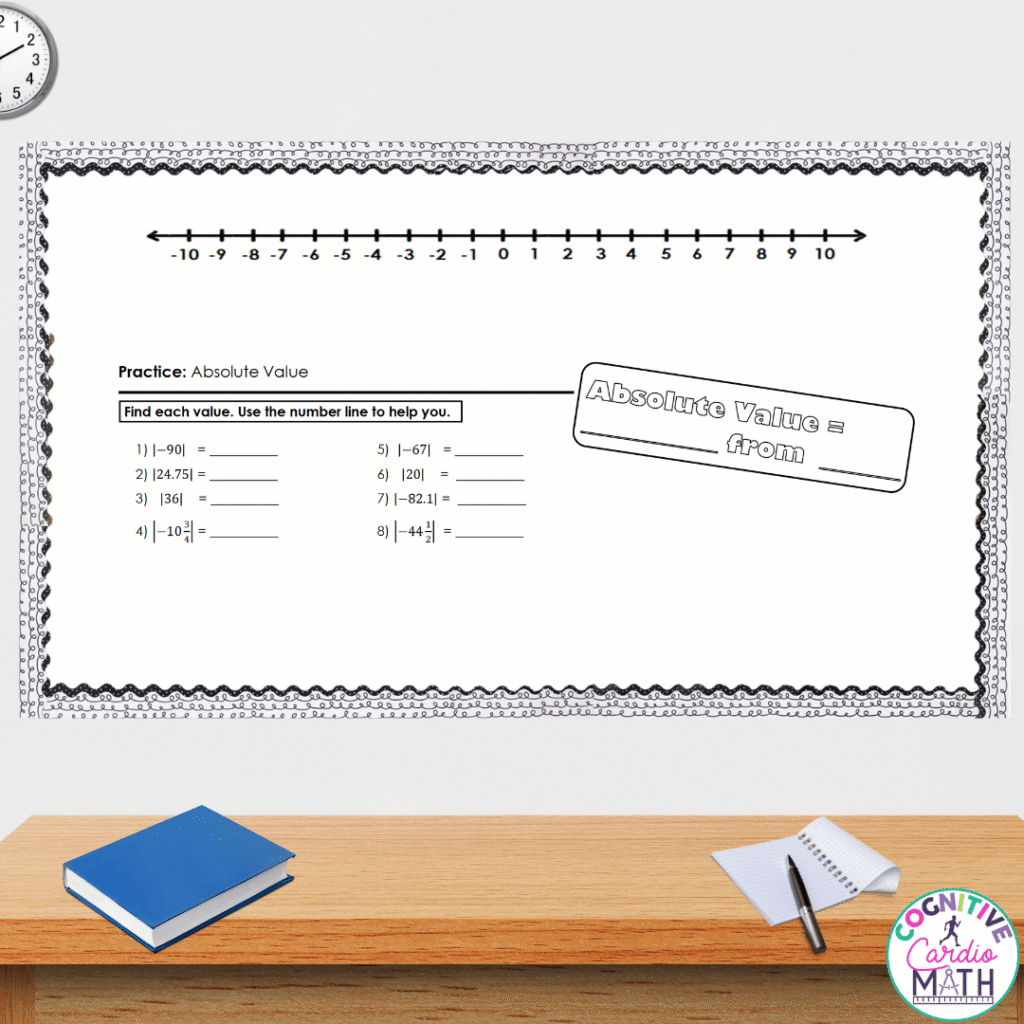
Once your students are comfortable with that idea, start in on your Absolute Value Lesson. You’ll want to work through the guided notes together, one section at a time. Make sure to connect every definition and example back to the number line. As you model each problem, explain your thinking aloud so your students hear why each answer makes sense instead of simply copying your work. The guided notes move your students from concrete examples into more abstract thinking while keeping everyone involved in the lesson.
I recommend pausing frequently throughout the lesson as well as asking your students to explain their thinking to a partner before moving on. Those quick conversations will tell you whether your students truly understand the concept or are beginning to rely on shortcuts again. By the end of the lesson, most of your students will be able to explain that absolute value measures distance from zero without needing a prompt from you. That conceptual understanding makes every lesson that follows much smoother.
Build Confidence Through Guided Practice
Once you’ve worked through the examples together, it’s time for your students to begin taking more ownership of their learning. This is where guided practice becomes so important. Instead of immediately handing out an independent worksheet, you want your students to experience success while you can still provide support and answer questions. It gives you a chance to catch misconceptions before they become habits.

My Absolute Value lesson includes guided practice problems that are perfect for this stage of instruction. Complete the first problem together as a class, asking volunteers to explain each step as you work. Then, have your students solve the next problem with a partner before you discuss it together. As their confidence grows, you can gradually release more responsibility until they’re ready to complete the independent practice on their own.
Before class ends, you can use one of the included exit tickets to see how your students are doing. Those few quick questions tell you whether the class is ready to move on or if you need another day of review. Sometimes you will discover that only a handful of your students need additional support. This allows you to pull a small group while everyone else continues practicing.
Reinforce Absolute Value With the Absolute Value Math Wheel
The next day, you don’t want your students flipping through pages of notes trying to remember what you learned yesterday. Instead, you can give them a visual reference they can build throughout the lesson. Organizing information in a simple way helps your students connect ideas and makes reviewing much easier later.
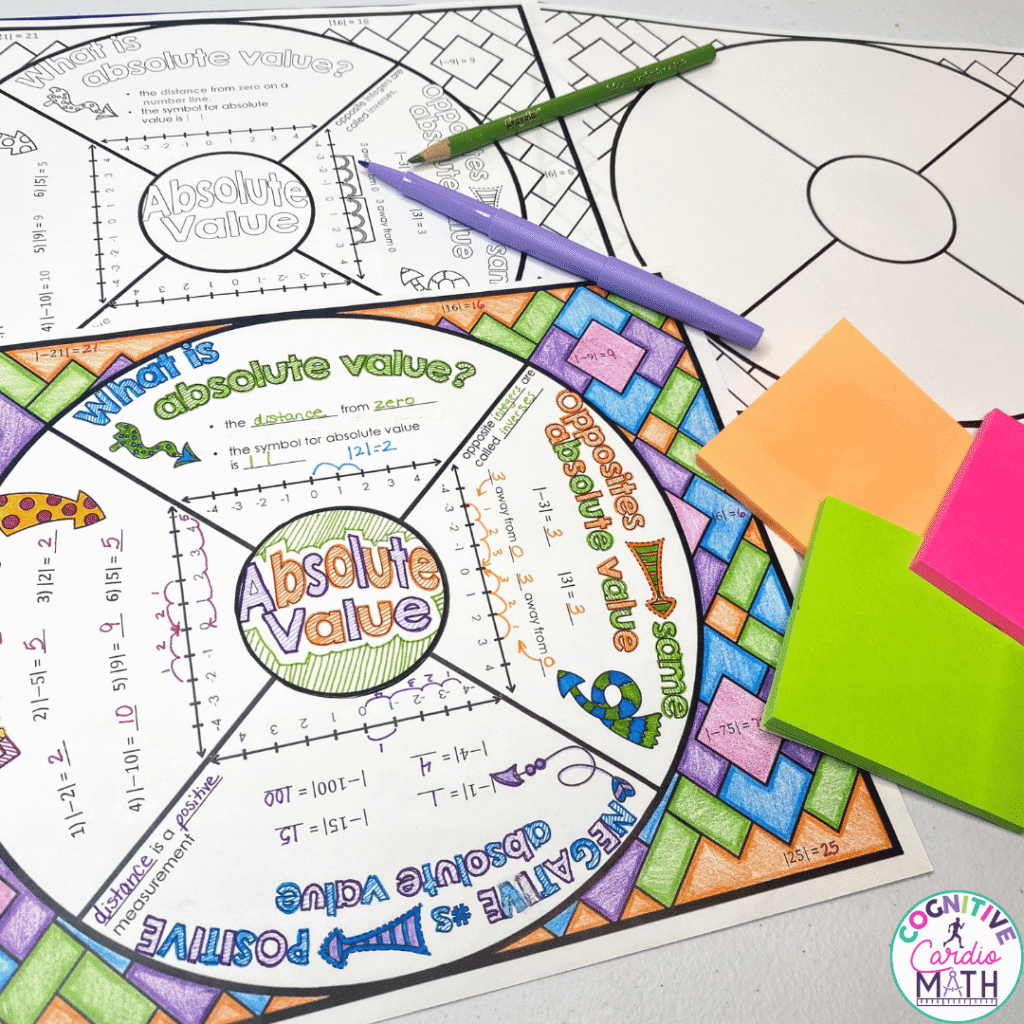
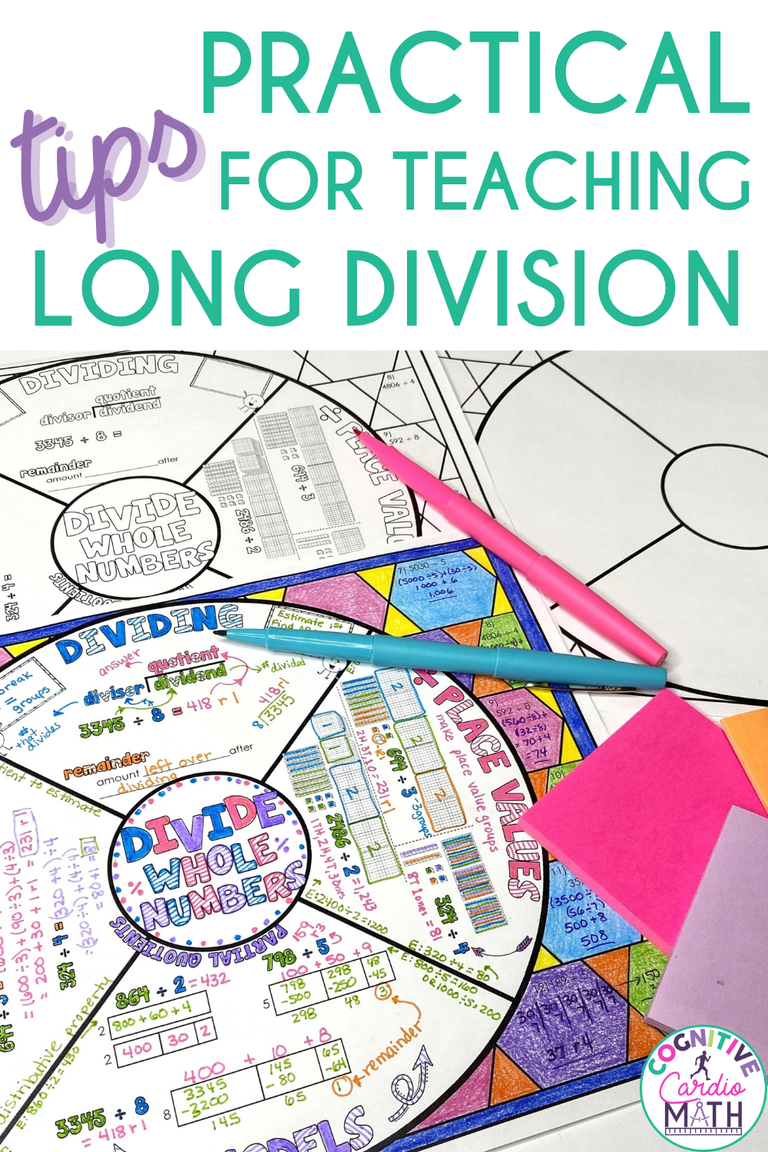
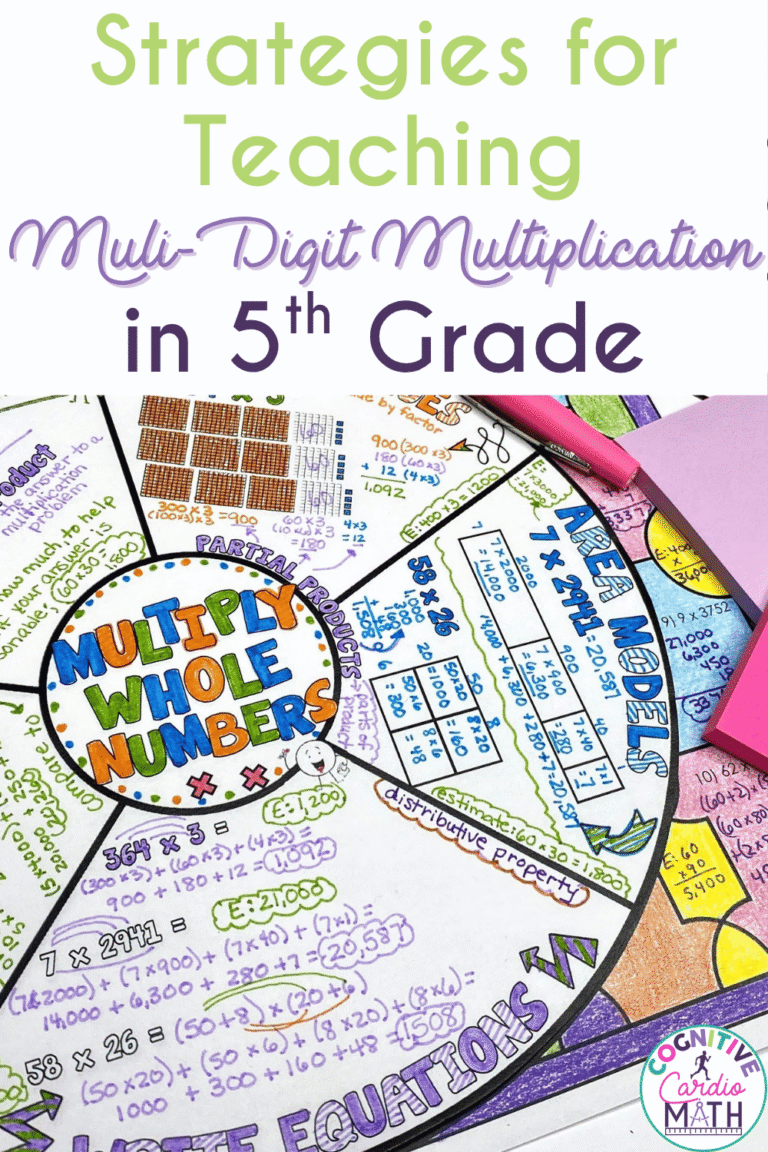
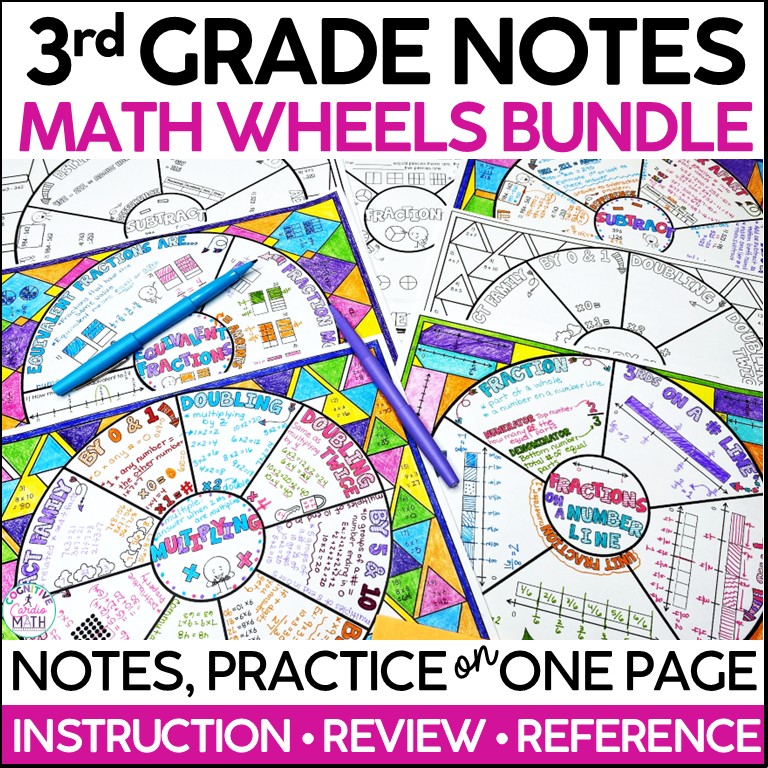
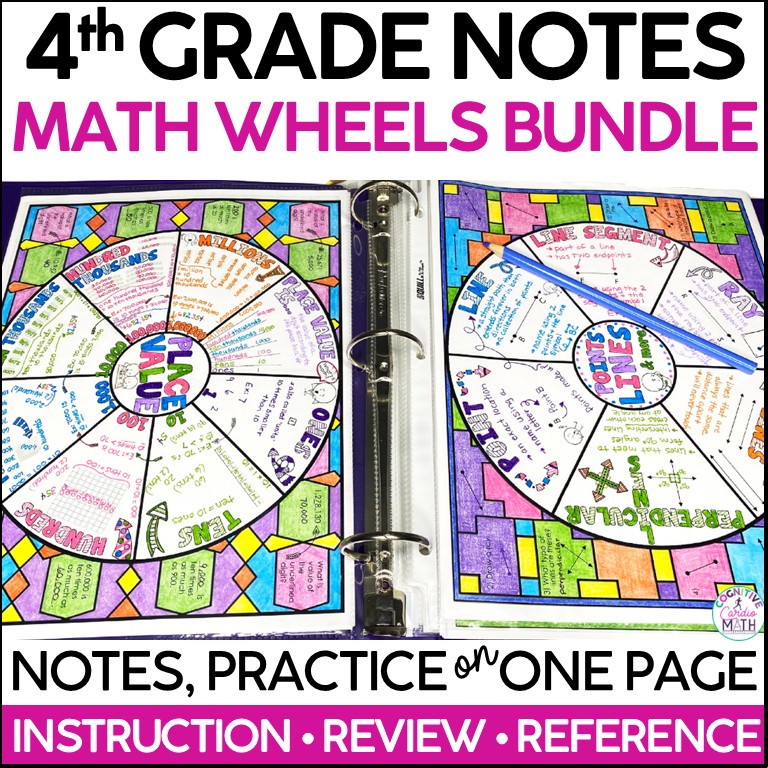
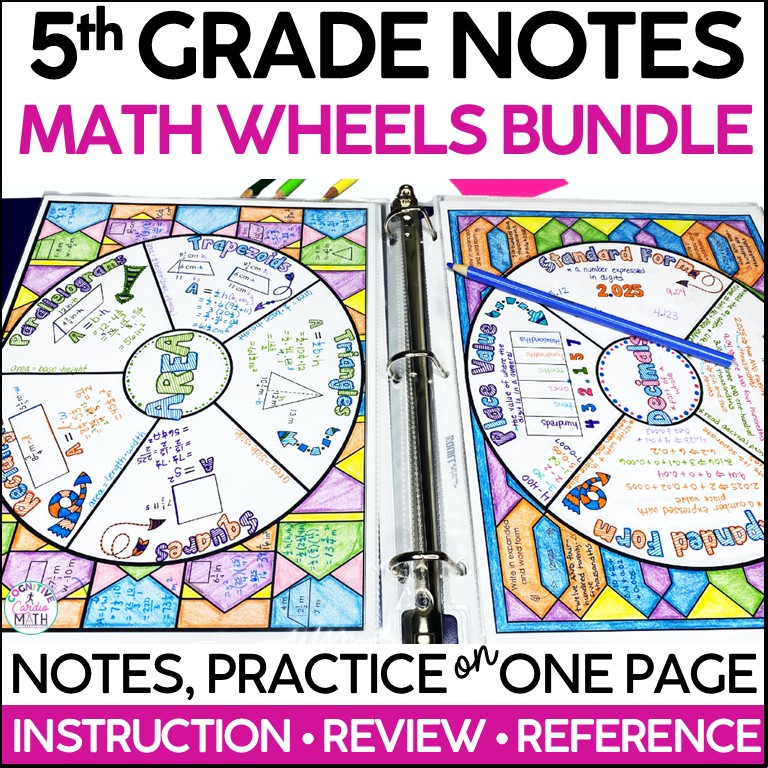
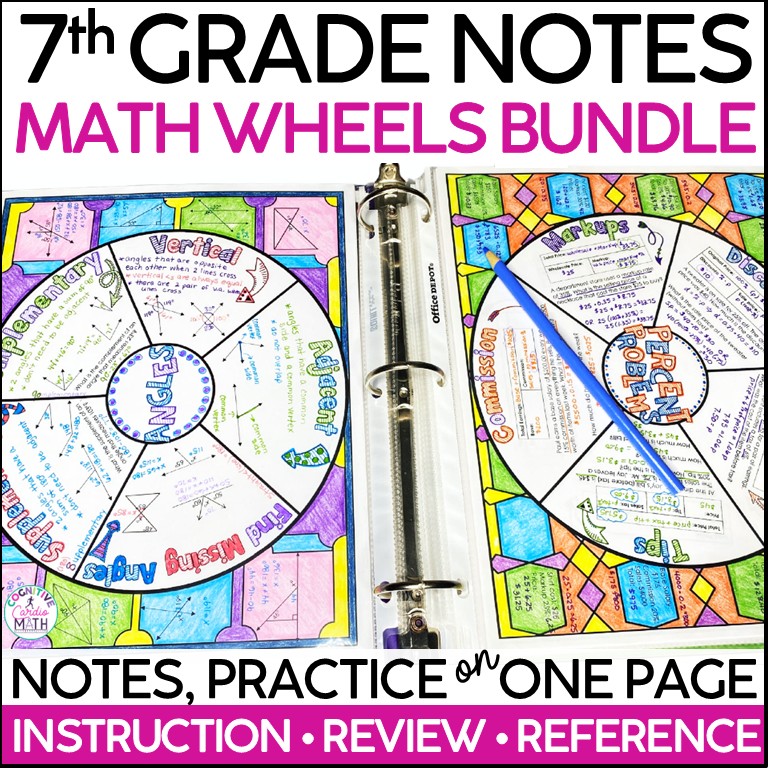
That’s one way I recommend using my Absolute Value Math Wheel. Rather than completing the entire wheel at once, you can fill it in one section at a time as you review the previous lesson. You’ll be able to revisit the definition, discuss why opposite numbers have the same absolute value, and solve a few examples together. Your students aren’t simply copying notes. They’re reviewing important concepts while organizing their thinking.
The completed math wheel will become one of your favorite study tools. Before a quiz, you can ask your students to grab their wheel. Everything they need is right in front of them, including the definition, examples, vocabulary, and practice problems. It’s a simple way to help your students become more independent while giving them a resource they’ll actually use.
Strengthen Fluency With the Absolute Value Color by Number
Once your students understand the concept, they need enough practice to become fluent without losing interest. Let’s be honest. Completing several worksheets that all look the same isn’t exciting for most of our students. Changing the format while practicing the same skill can make a surprising difference in student engagement.
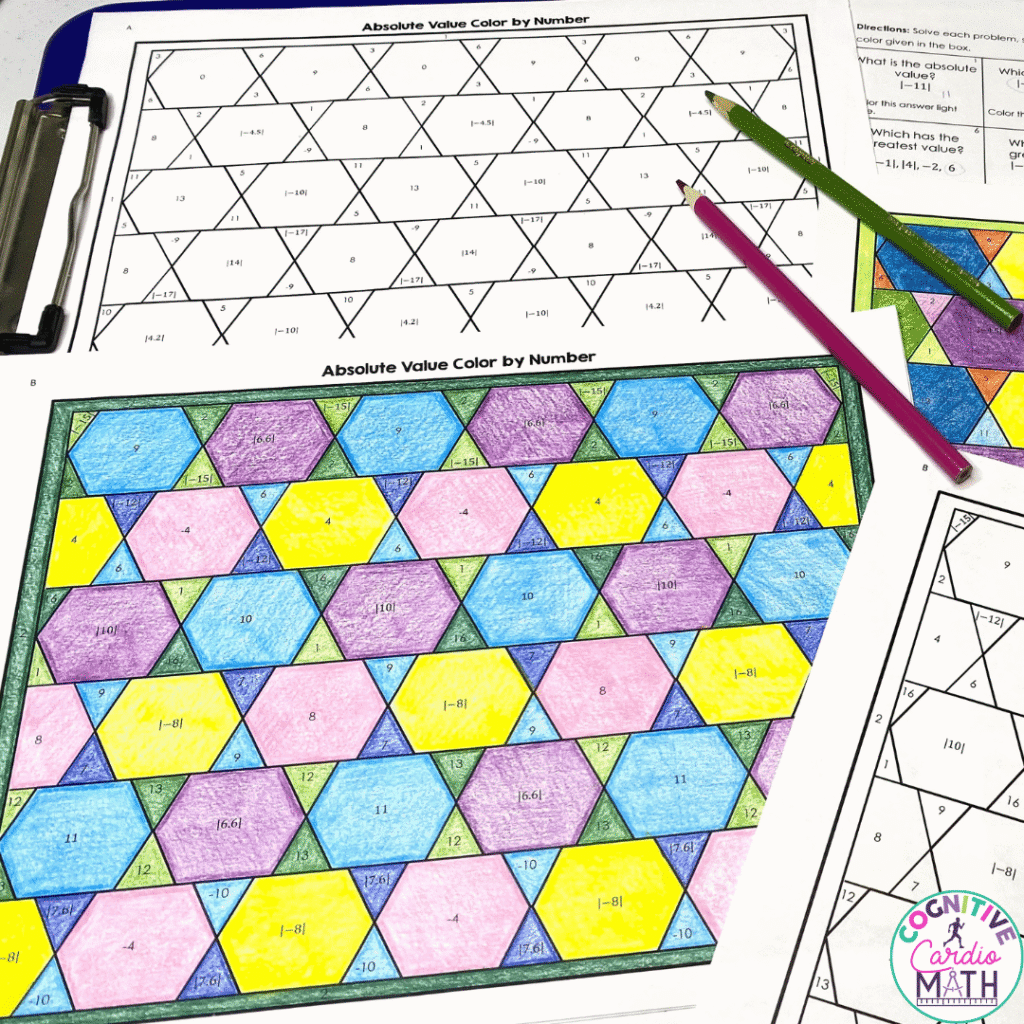
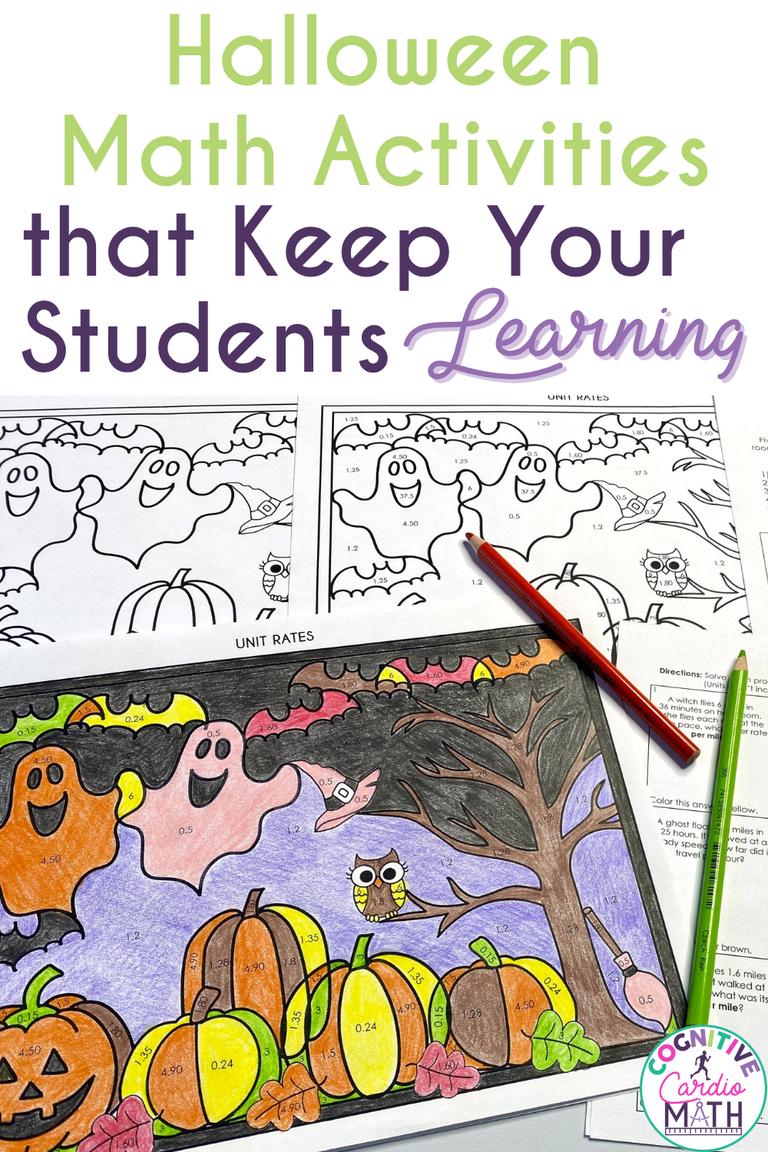
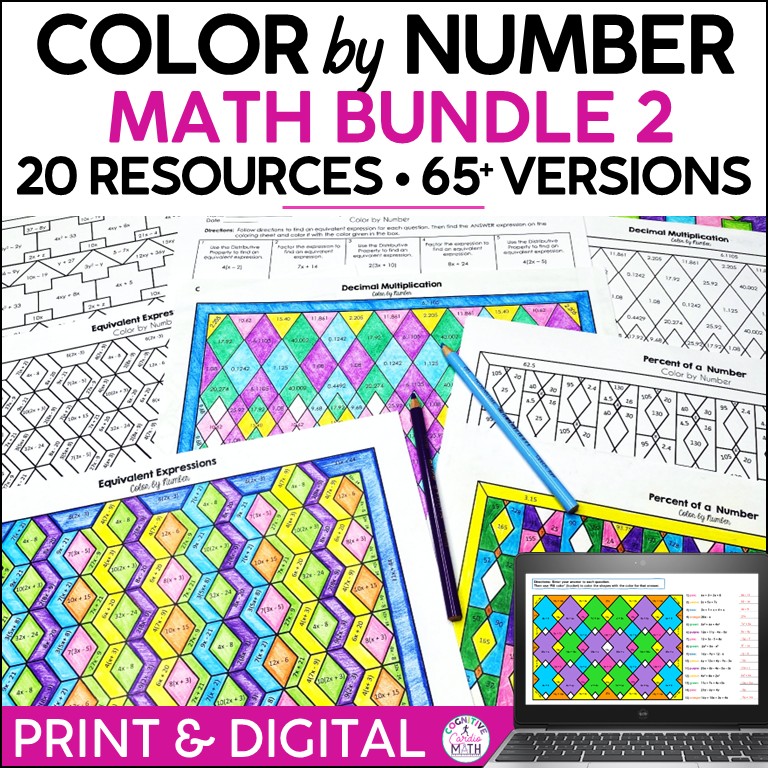
My Absolute Value Color by Number activity gives your students that opportunity. As they solve each problem correctly, they color the matching section of the picture. Your students will stay focused because they can watch the image come together as they work. You can still provide the practice you’re looking for while making the work approachable and fun. It’s one of those activities that feels different without sacrificing rigor.
You can use this color by number activity during independent practice, math centers, early finisher time, or even for homework. The activity includes problems that ask your students to find absolute value, compare absolute values, and evaluate expressions, giving them practice with multiple skills in one resource. I made sure to include print and digital versions, so it’s easy to use regardless of how your classroom is set up and your teaching style!
Review Absolute Value Through Collaboration
By the time you’ve reached review day, you want your students doing more than finding the right answer. You want them explaining their thinking, defending their answers, and learning from one another. Some of the best math conversations happen when your students realize they solved the same problem in different ways. Those discussions help strengthen understanding and build on student ownership of their learning. As you walk around and listen to these conversations, you can provide them feedback in real time.
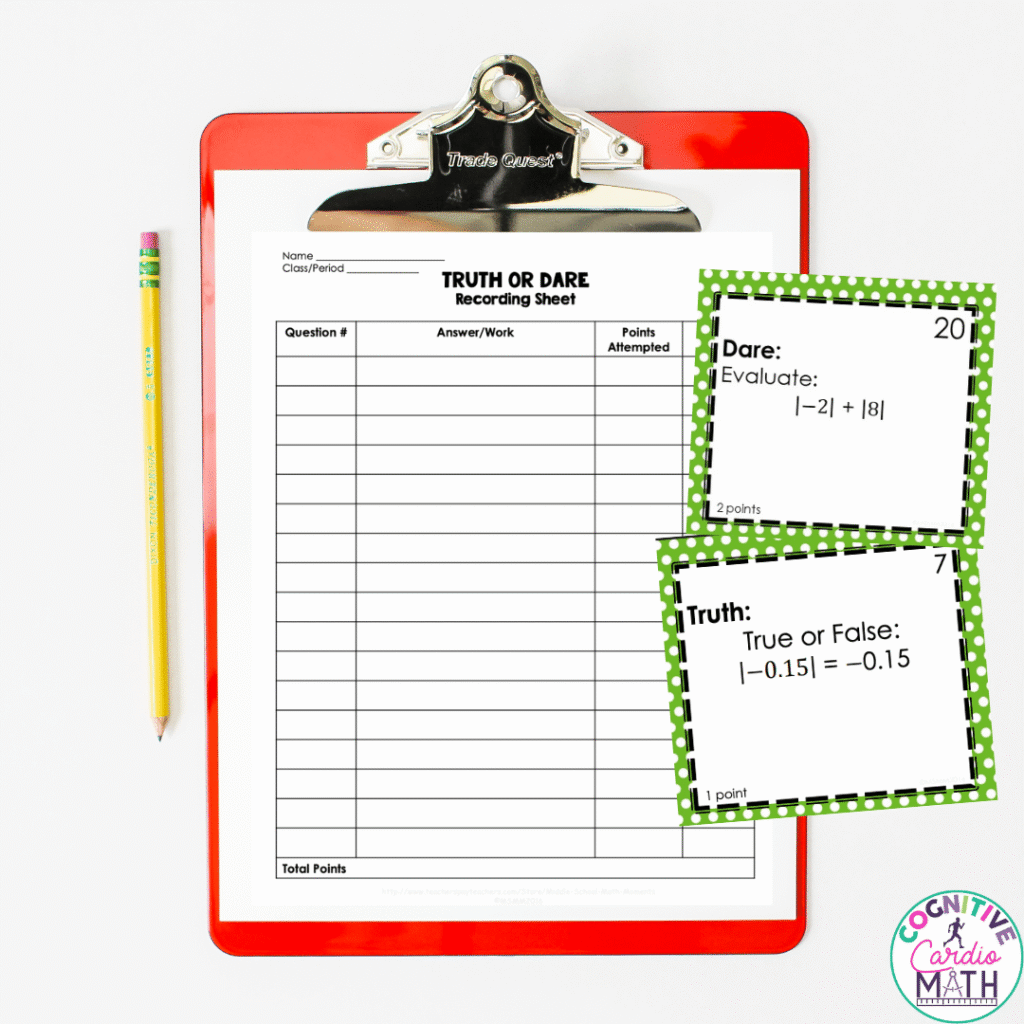
To help with these conversations and review sessions, you can use my Absolute Value Truth or Dare before your assessment. You’ll want to divide your students into small groups. Once they are settled in their small groups, have them take turns choosing either a Truth card or a Dare card. The points your students can earn depend on whether it’s a truth or dare card. Dare cards are typically worth more points because your students have to solve more challenging problems. After solving the problem, your students explain how they found their answer before checking it with their teammates.
Some of the cards focus on evaluating expressions. These cards challenge your students to apply what they’ve learned while evaluating expressions that include absolute value. Students are able to raise their own level of thinking as they play the game, by choosing a Truth or a more challenging Dare…they can make a different choice on every turn. Your students will stay engaged because they’re playing a game, but every question gives them another opportunity to practice an important skill before their assessment.
Differentiate With Footloose Task Cards
Every class learns at a different pace. Some of your students are ready for a challenge after one day of instruction. Others may benefit from another round of practice before moving on. Having differentiated activities ready allows you to meet both groups where they are without creating separate lessons from scratch.
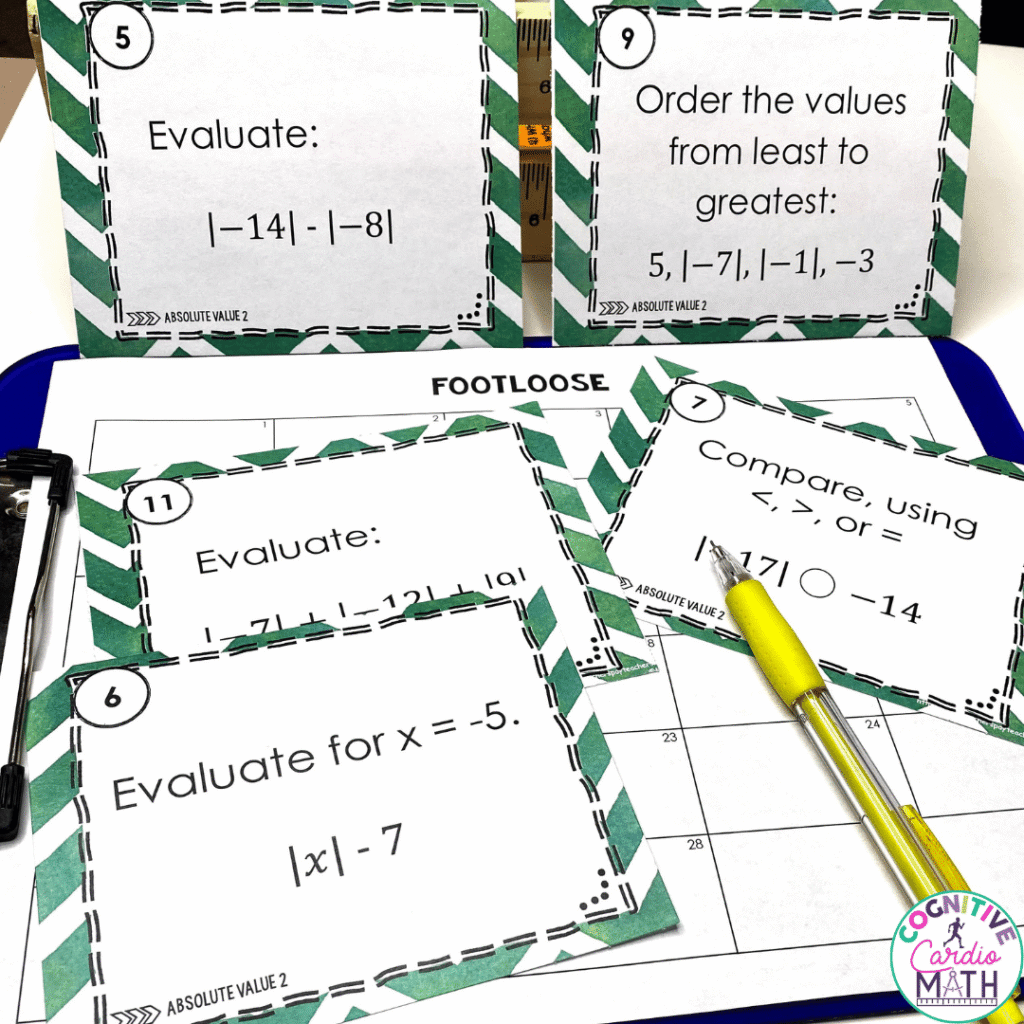
My Absolute Value Footloose Task Cards will help make that happen easily in your classroom. You’ll want to place a task card on each student spot or spread them out around the room. Then, your students can move around the room solving problems instead of staying in their seats for another worksheet. As they travel from card to card, they’re interacting with absolute value repeatedly. You can even have them work in partners, where both partners need to solve the problem independently and then share answers to see if they match. If not, this gives another chance to utilize math talk and learn from one another. The movement component also gives me the opportunity to circulate, ask questions, and provide support whenever it’s needed.
I recommend beginning with Absolute Value Footloose Task Cards Volume 1 for your students who are still building confidence with identifying and comparing absolute value. Once they’re successful, you can introduce Absolute Value Footloose Task Cards Volume 2. This set asks your students to evaluate expressions involving absolute value. These task cards are another option to use as part of your centers, intervention groups, independent practice, or review days, depending on what your students need most.
Teaching Absolute Value in a Way That Really Sticks
Teaching absolute value becomes much easier when your students understand the concept before memorizing a procedure. When they see absolute value as the distance from zero instead of simply making a number positive, they’re able to apply that understanding with confidence as math becomes more challenging. By combining strong instruction with effective practice, review, and reinforcement, you’ll help your students build a foundation that lasts far beyond this one math unit.
Save Time Planning With the Absolute Value Bundle
Planning a complete lesson sequence doesn’t have to mean searching for a new activity every day. When all of your instructional pieces work together, it’s much easier to focus on teaching instead of spending hours preparing materials. You’re less overwhelmed and stressed, which allows you to authentically teach your students the math concept.
My Absolute Value bundle brings together every resource I’ve shared throughout this lesson sequence. You can introduce the concept with the Absolute Value Lesson, and reinforce it using the Absolute Value Math Wheel. Then, you can build fluency with the Absolute Value Color by Number, review with Absolute Value Truth or Dare, and differentiate practice using the Absolute Value Footloose Task Cards. Instead of piecing together activities from multiple places, you’ll have a complete progression ready to go.
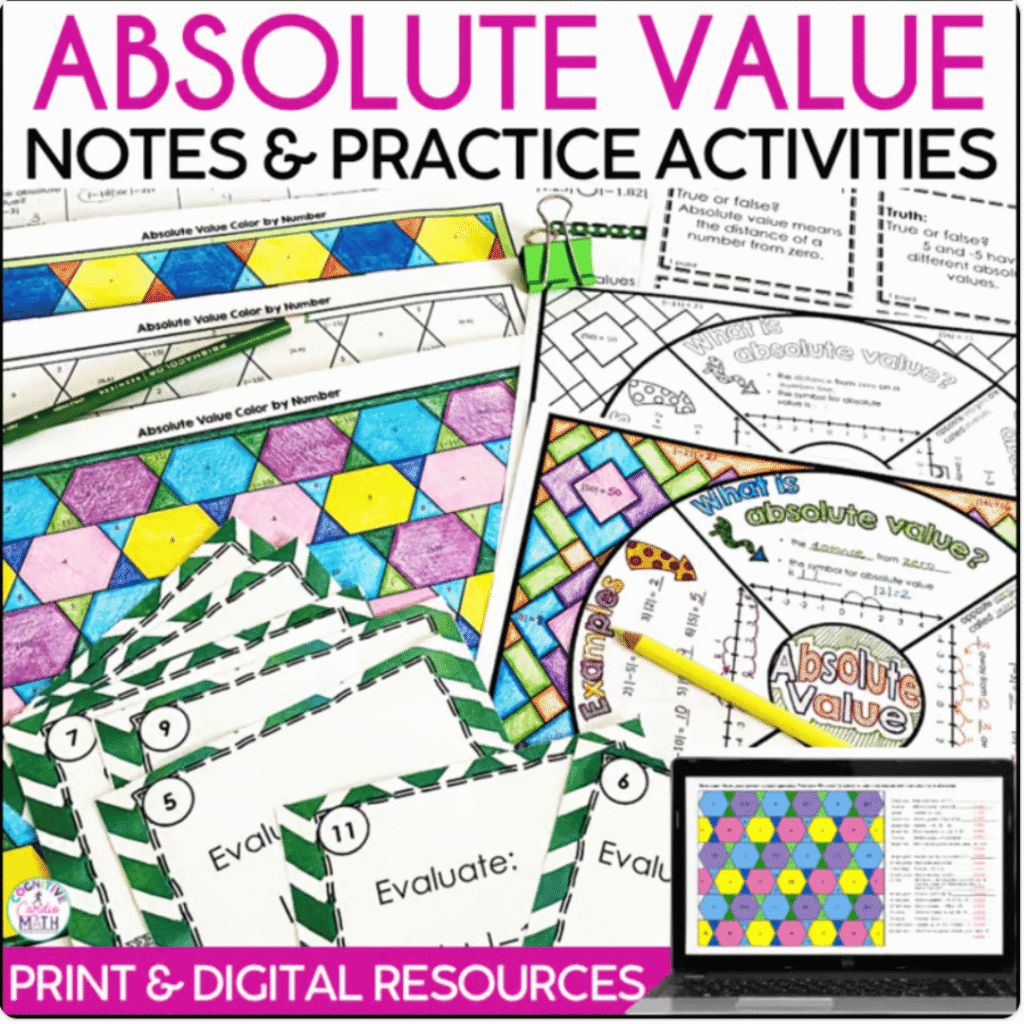
You’ll appreciate that each resource builds on the previous one. Your students aren’t learning a new routine every day. They’re simply practicing the same concept in different ways, which keeps lessons engaging while reinforcing the important ideas. That consistency helps your students feel more confident as they move through the unit.
If this lesson sequence gave you ideas for teaching absolute value, be sure to explore my TPT shop for similar resources covering many other math topics. From guided lessons and visual notes to math games, task cards, coloring activities, and review resources, you’ll find materials that help you introduce new concepts, reinforce learning, differentiate instruction, and review with confidence. My goal is to make lesson planning easier so you can spend less time creating materials and more time teaching your students.
Save This Lesson Plan for Later
Getting ready to teach absolute value later this year? Save this post to your favorite math Pinterest board so you’ll have these lesson ideas, classroom activities, and review strategies ready when it’s time to introduce the concept.