If you’ve ever taught inequalities, you know how important it is to mix clear explanations with plenty of practice. From helping your students understand what the inequality symbols mean to getting them comfortable graphing on a number line, this unit can feel like a big leap. What I loved most when teaching this concept was giving my students hands-on ways to make sense of each step. That’s why these go-to resources for teaching inequalities are perfect. They blend structure, creativity, and problem-solving in ways that keep your students motivated and confident.
The “Why” Behind Teaching Inequalities

Before diving into equations, wheels, and task cards, it helps to step back and think about why we teach inequalities in the first place. Understanding this concept gives our students the ability to reason about relationships between numbers, quantities, and situations. It’s not just computing answers.
When our students grasp inequalities, they’re learning to think flexibly. They start to see that math doesn’t always have one perfect solution. Instead, there can be a range of possibilities that make a statement true. That mindset shift is powerful. It prepares them for algebraic thinking, problem-solving, and even interpreting data in science and real life.
Inequalities also help our students build logical reasoning. When they test values to see what makes an inequality true, they’re learning how to evaluate claims and support them with evidence. These same skills show up in every subject, such as analyzing graphs in science or comparing budgets in financial literacy.
Real-World Connections to Inequalities

One of the easiest ways to make teaching inequalities meaningful is to tie it to situations your students can relate to. Think about everyday comparisons. Your students will be surprised when they see how often inequalities show up in their lives!
You might introduce inequalities through something as simple as temperature. When the forecast says, “The temperature will stay below 32°F,” that’s an inequality: t < 32. You can also connect to allowance money. You might say, “You need at least $20 to buy the video game,” which becomes m ≥ 20. Even time is a great connection. “You can’t spend more than 2 hours on screen time tonight” translates to t ≤ 2.
Sports or classroom examples are also a great way to make the concept stick. A basketball player needs more than 10 points to reach a personal goal (p > 10). A student might need a score of at least 80 to make the honor roll (s ≥ 80). These examples help your students see that inequalities are part of how we measure, compare, and make decisions every day.
By weaving in these real-world examples, you’re reinforcing the math. You’re also showing your students that inequalities describe the world around them. Once they see that connection, their engagement and confidence grow tremendously.
Start With the Basics: Inequalities and Their Solutions Lessons

When first starting out, you want to make sure your students have a strong foundation. That often means going back to the basics before building on. Kick off your unit of teaching inequalities with the Inequalities and Their Solutions lesson set. This resource includes two complete lessons that break down the concepts into manageable chunks. One is focused on identifying whether a value is a solution, and the other on writing and graphing inequalities. Each lesson has guided notes, independent practice, and exit tickets.
What makes this so effective is the balance between modeling and practice. The fold-it-up review sheet is a great interactive element that reinforces key vocabulary and symbols like <, >, ≤, and ≥. You will also love how the examples move from simple numeric comparisons to real-world scenarios, such as comparing temperatures or budgeting. For a digital component, you can use the Google Slides version to display examples or assign independent work. This is a perfect foundation before introducing equations or graphing tasks.
Engage Visual Learners With the Inequalities Math Wheels

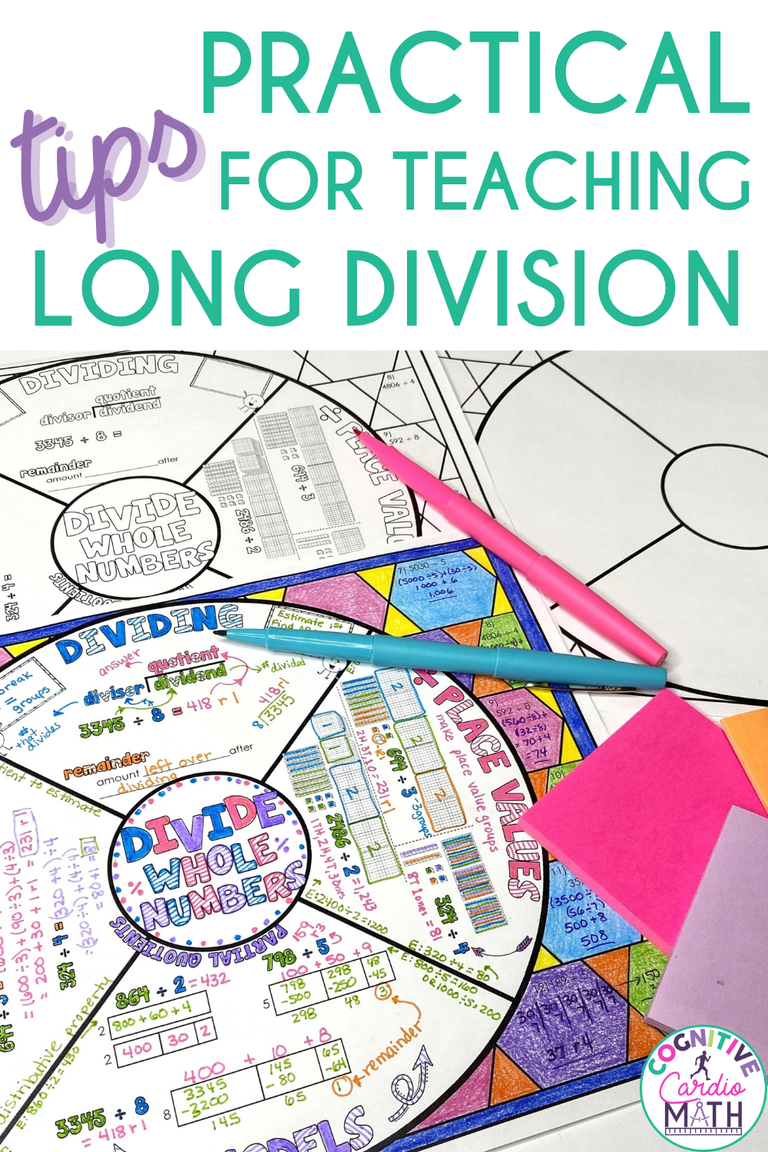
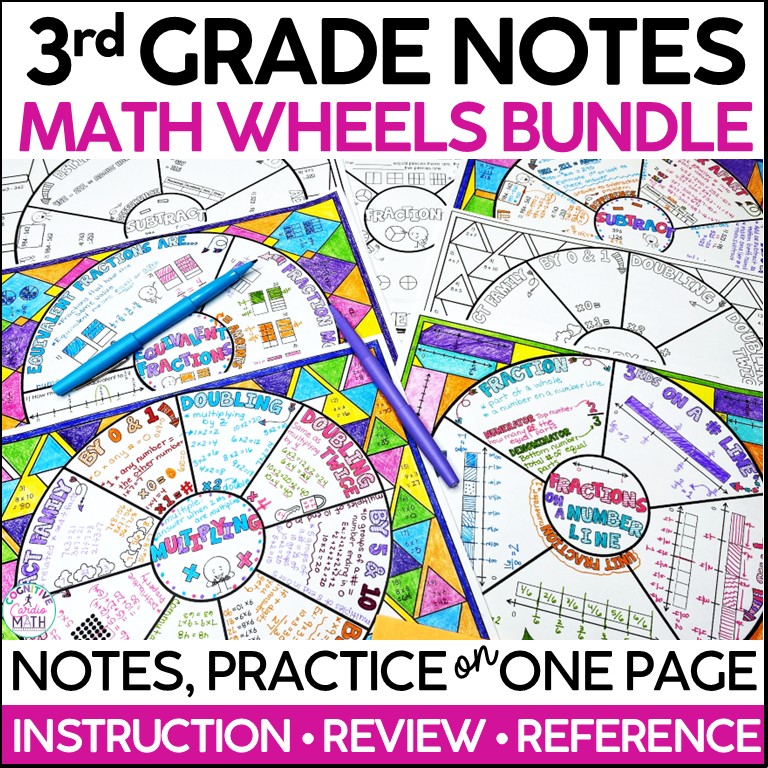
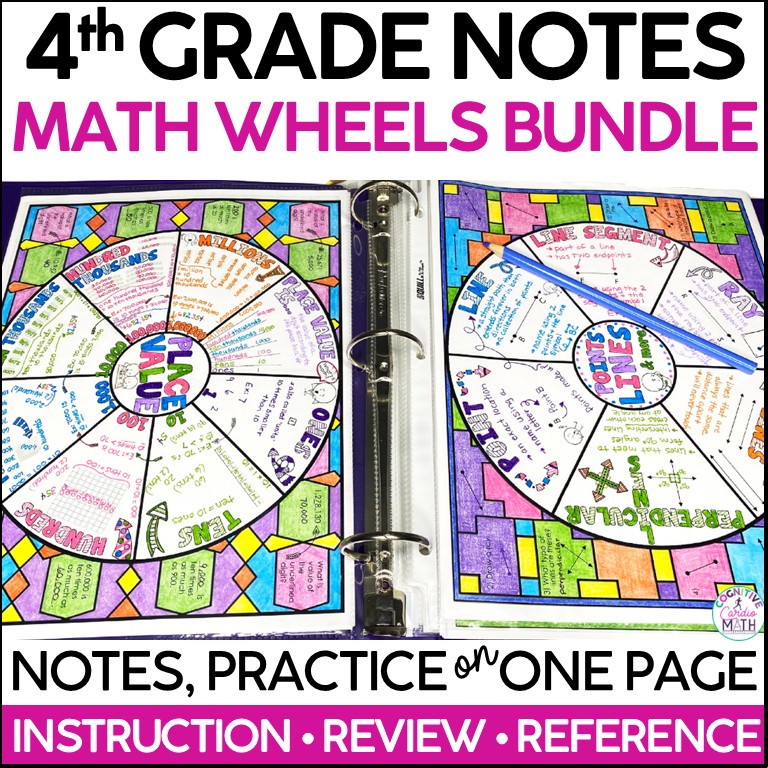
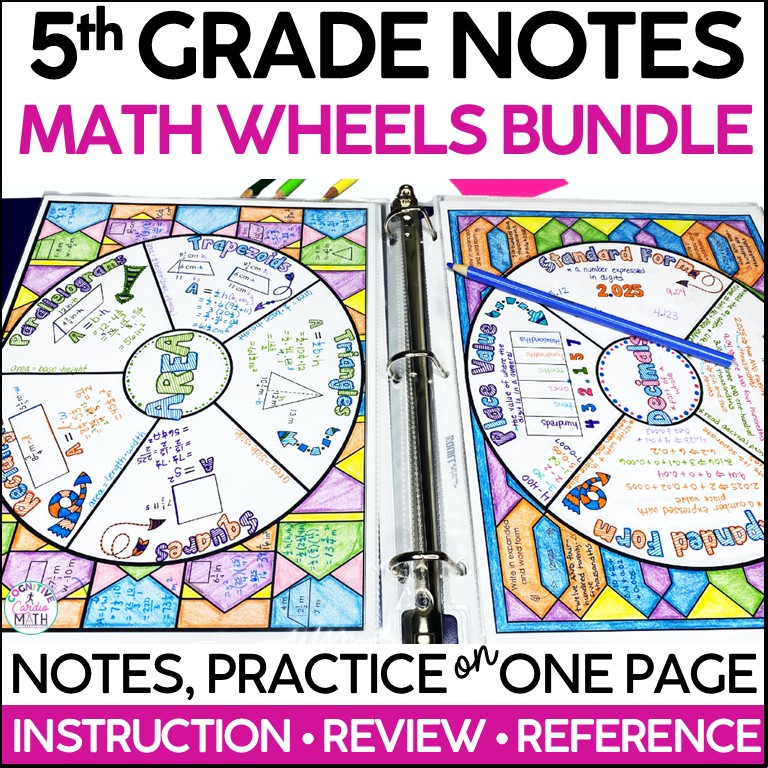
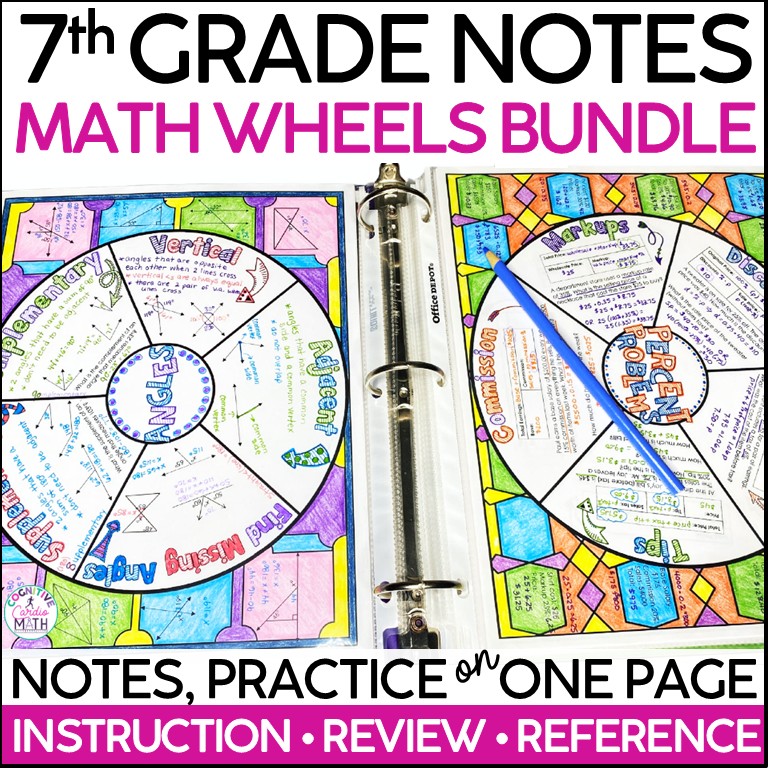
Once your students have a basic understanding, visual practice is key. That’s where the One-Step, Two-Step, and Graphing Inequalities Math Wheels come in. These doodle-style wheels give your students a chance to write notes, work through examples, and color as they go. All of this while keeping their notes neat and organized.
Each wheel includes multiple versions so you can adapt them to different learning levels. There are versions for open notes, fill-in-the-blank, or pre-filled. When I used these, I had my students keep their completed wheels in their notebooks as reference tools. This was so helpful when it came time for the test review. The layout helps them remember the process visually. Each section breaks down each step of each process and is labeled with short headings like “add or subtract”, “multiply or divide”, and “flip the sign if needed”.
Once your students move into graphing, the Graphing Inequalities Wheel ties everything together. They can visualize open and closed circles, shading, and solution sets while still following the same doodle format that they’ve grown comfortable with. It’s a great way to combine everything they’ve learned about writing and solving inequalities into one cohesive activity.
The coloring aspect isn’t just fun. It’s also purposeful. While your students add color to symbols or to the sections as they complete problems, they stay focused and help their memory. This combination of math and creativity makes abstract topics like solving and graphing inequalities far more approachable.
Reinforce Writing and Graphing While Teaching Inequalities
Practice makes perfect, especially when it comes to writing and interpreting inequalities. The Writing and Graphing Inequalities Task Cards are an amazing way to keep your students practicing in a low-pressure setting.

The set includes 30 digital task cards in Google Slides with built-in feedback. It also includes a short Google Forms quiz for quick assessment.
Your students are given the task to identify correct inequalities from real-world situations, match inequalities with graphs, and even work on compound inequalities. The instant feedback makes this a great independent or small-group station.
If you prefer a print version, you can also print the cards and use the recording sheets for centers. This mix of formats keeps engagement high while giving you data on how your students are understanding inequalities.
Get Students Moving With Inequalities Footloose Task Cards

When your students need to stretch and refocus, you can use the Inequalities Footloose Task Cards. This game-style review turns inequality practice into an active classroom experience. Your students move around the room solving problems from 30 task cards that cover writing inequalities from word problems, graphing on number lines, and identifying compound inequalities.
The setup is simple as well! Each of your students starts with one card and records their answer on a grid. Then, they exchange it for another card until the grid is filled. It’s engaging, fun, and perfect for reviewing before a quiz or test. I also loved how this format encouraged discussion when they worked together in partners. They often compared reasoning or caught small mistakes while working together.
Add Color and Creativity When Teaching Inequalities

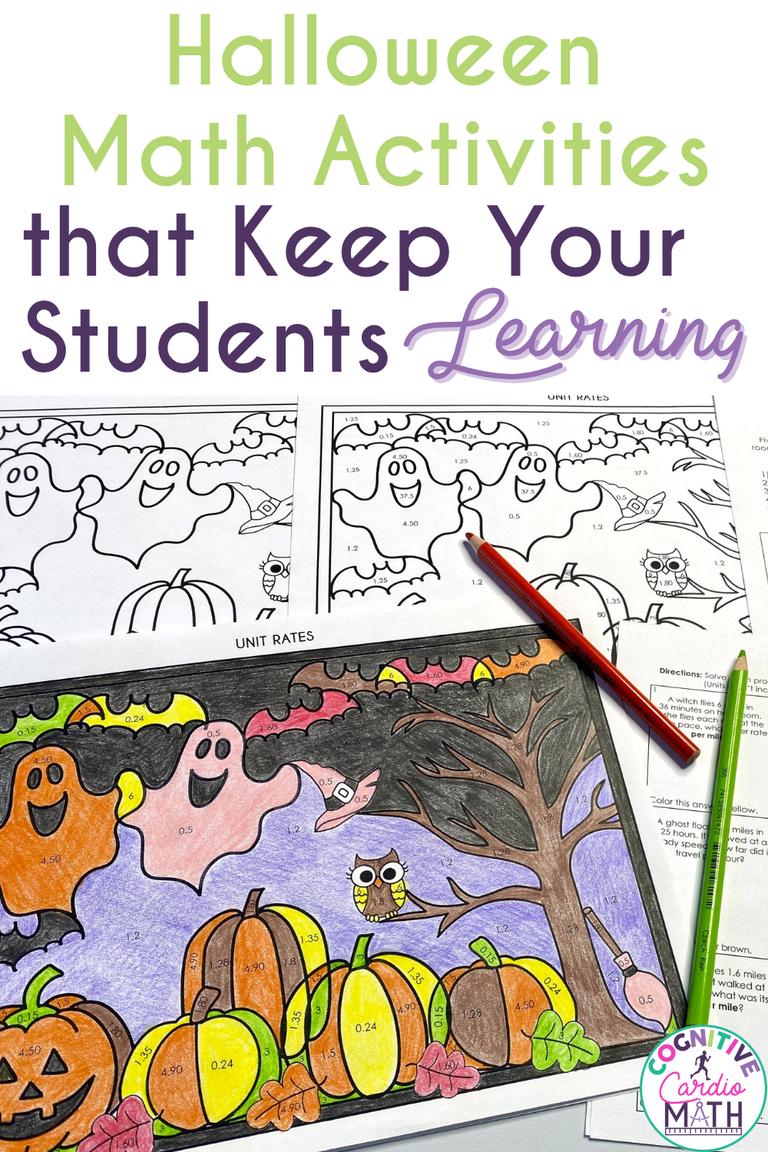
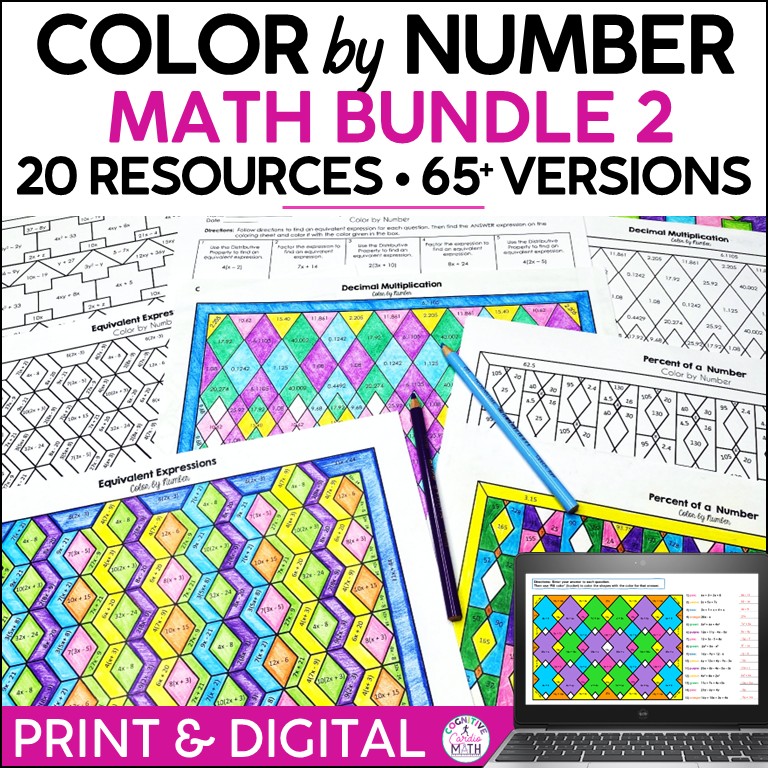
If your students love a creative challenge, the Inequalities Color-by-Number activity is a must-have. Your students can answer inequality problems tied to real-world statements. Then, once they have their answer, they find and color the corresponding sections of a picture.
In addition to practice during the unit, this activity also works great for spiral review or sub days because it blends problem-solving with relaxation. The color-coding requires accuracy. Many answers are close in value but differ in inequality signs. You also have the choice to assign this resource digitally or in paper format, making it flexible for what you need for your students!
Tie It All Together
After exploring these activities, you’ll find that each one builds naturally on the other. The guided lessons introduce key ideas. The math wheels and task cards reinforce them. The color-by-number and Footloose games keep practice light and engaging. Each resource ensures your students get both procedural and conceptual practice.
Together, these resources for teaching inequalities create a full pathway from introduction to mastery. They make a tricky concept for many of your students more approachable. You’ll see your students move from basic understanding to applying inequalities in real-world contexts while having fun doing it.
Additional Math Resources

If you loved these ideas for teaching inequalities, you’ll find even more creative, classroom-tested math resources waiting for you in my TPT shop. From fraction activities and geometry doodle wheels to engaging review games and interactive lessons, each resource is designed to make math feel approachable for both you and your students.
These resources help you build confidence, save prep time, and bring fun back into learning math. Whether you’re planning your next unit or looking for fresh ways to reinforce key concepts, you’ll find tools that make math engaging, meaningful, and doable every day.
Creating Success While Teaching Inequalities
The best part about teaching inequalities is watching that “aha” moment when everything clicks. With the right mix of structure and creativity, your students will begin to see inequalities as tools instead of intimidating symbols. Whether you use one of these activities or you choose to use the whole set, you’ll give your students opportunities to think critically, explore patterns, and enjoy learning math.
Save for Later
If you’re not quite ready to dive into these resources yet, Pin this post so you can easily find it when you start planning your next unit! Whether you’re reviewing one-step inequalities or helping students master graphing on a number line, these go-to ideas will make teaching inequalities more engaging and effective for your middle schoolers.