If you’ve ever worked with middle school or high school students who freeze during multi-step problems, or take FOR.EV.ER to finish a problem, you’ve probably seen firsthand what happens when basic math facts aren’t solid. A shaky foundation with addition, subtraction, multiplication, and division can make everything from fractions to algebra more difficult. The truth is, many of our students never fully memorized their facts in earlier grades. By the time they’re older, this knowledge is assumed and no longer a priority when it comes to practice.
But. . . what do we do when those basic math facts are not mastered? What our students really need are ways to practice that feel purposeful, engaging, and, most importantly, age-appropriate. That’s where a little creativity and structure come in. I’ve pulled together some of my favorite tips and activities that make mastering basic math facts feel less like “drill and kill” and more like confidence-building activities that even your most reluctant learners can enjoy.
Tip 1: Make Basic Math Facts Practice Feel Age-Appropriate

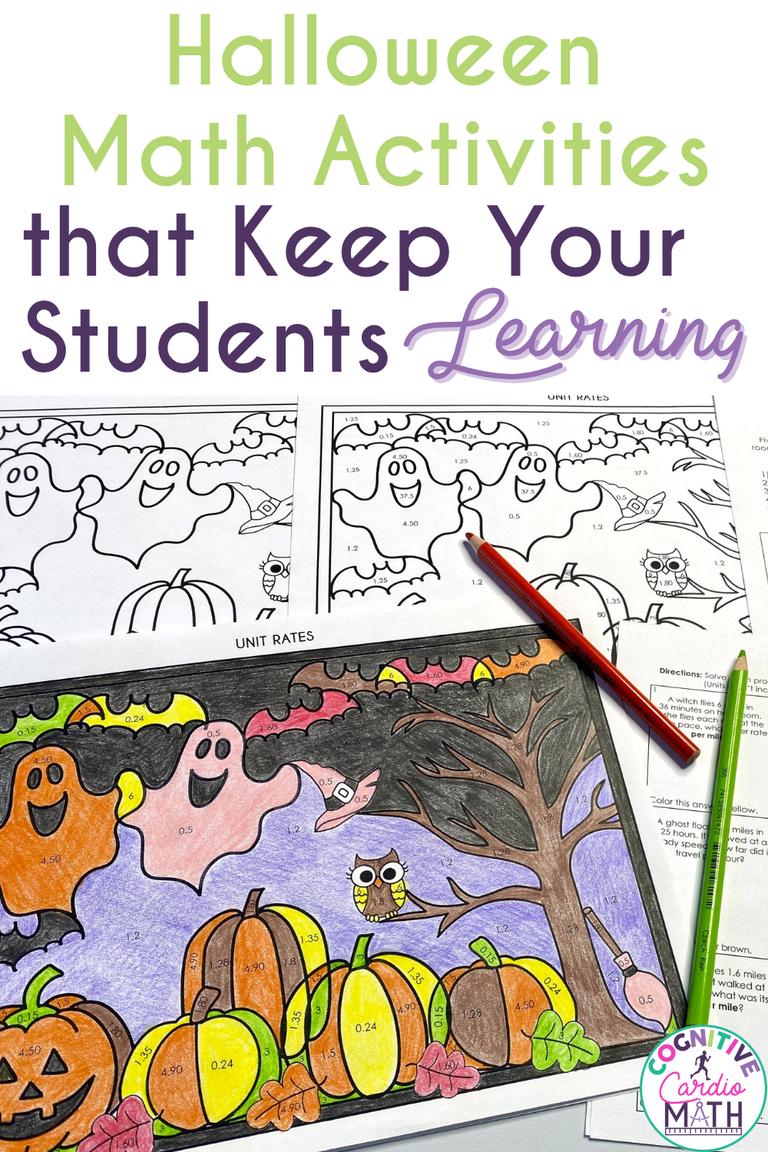
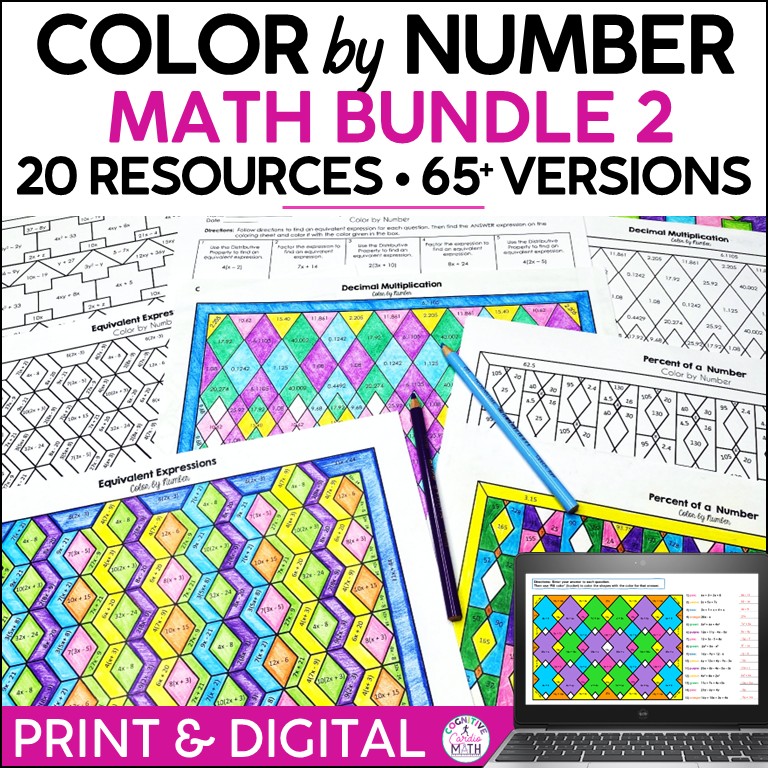
Color-by-number activities aren’t just for younger grades. In fact, they can be a game-changer for our older students who still need practice with basic math facts but don’t want to feel singled out. I created the Whole Number Operations Color by Number and Adding & Subtracting Whole Numbers Color by Number sets with older learners in mind.
These resources mix one and two-digit addition, subtraction, multiplication, and division problems that go up to x12. Each activity includes two themed versions, such as sports or beach scenes. This way, you can choose the one that fits your students’ interests. The coloring aspect gives your students something tangible to focus on. The real value is the steady, low-pressure repetition of basic math facts.
You can use these pages in so many ways. They work well as morning work, early finisher bins, skill review days, or even as calming brain breaks between heavier lessons. The self-checking nature of color-by-number activities helps your students instantly see where they went wrong. This gives them a natural way to self-correct. Each time they solve a problem and reveal part of the image, they build confidence. It’s a creative, low-stress way to help your students get faster and more fluent with their basic math facts.
Tip 2: Reinforce Patterns and Relationships With a Multiplication Facts Wheel

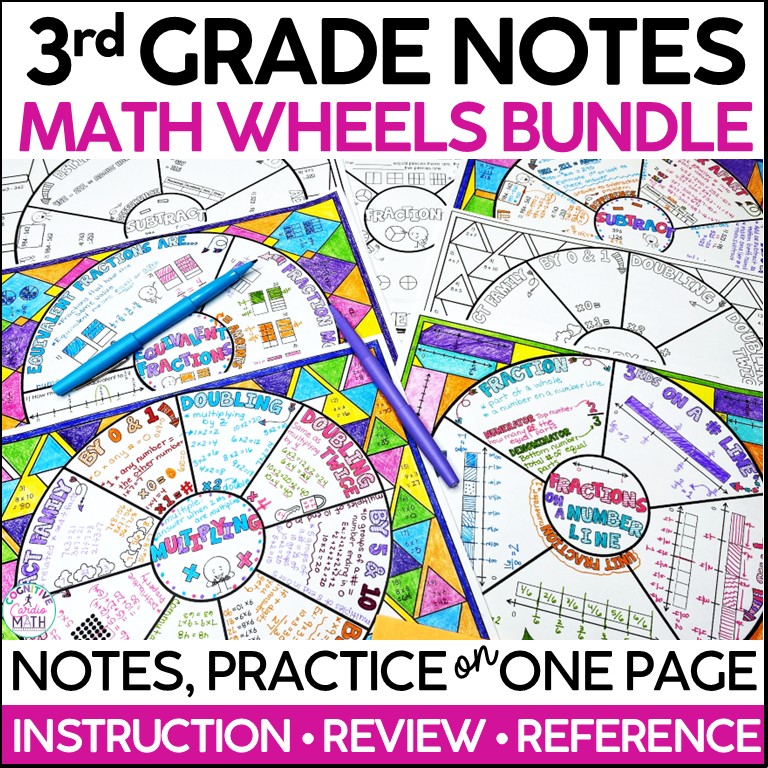
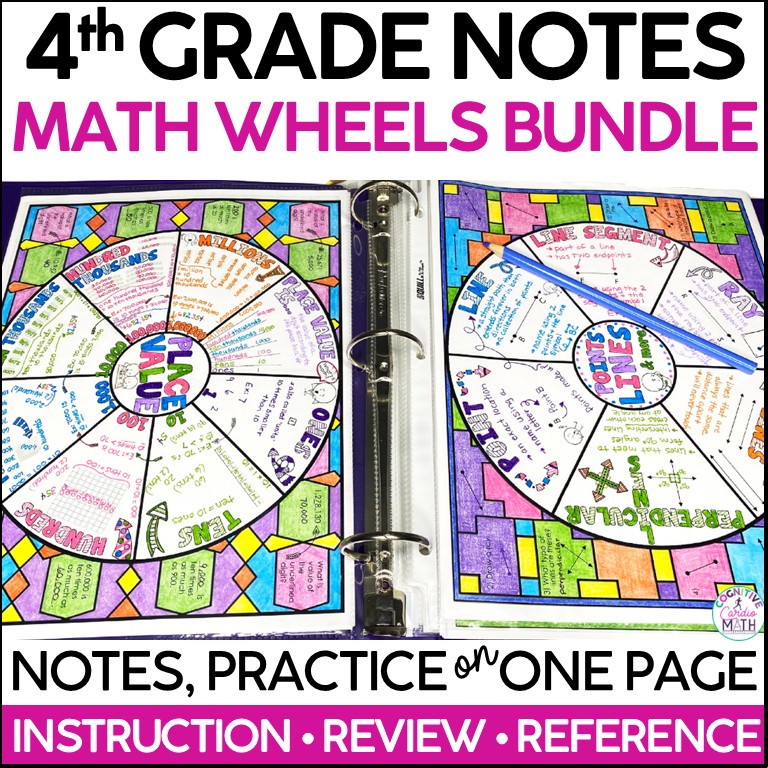
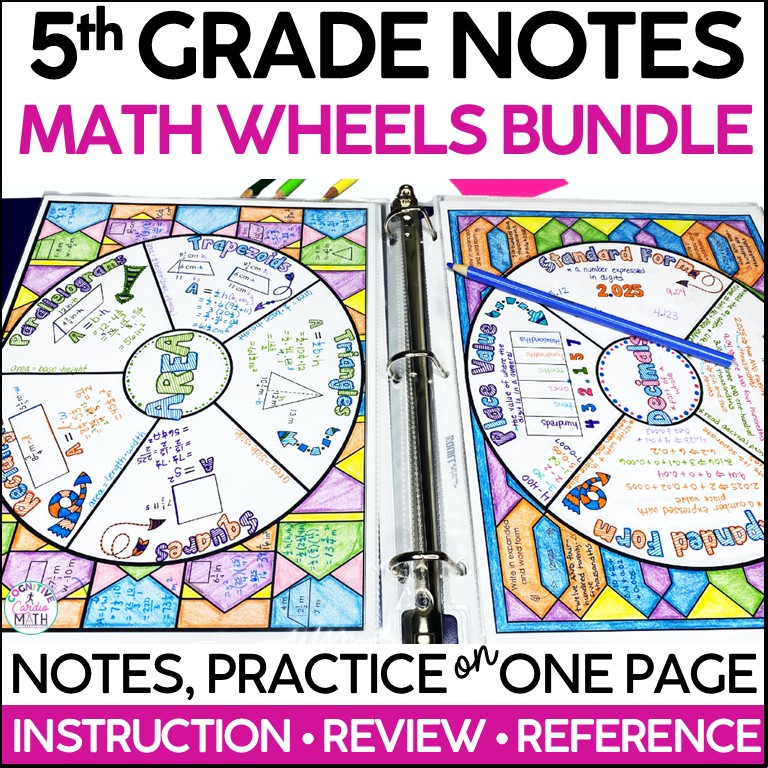
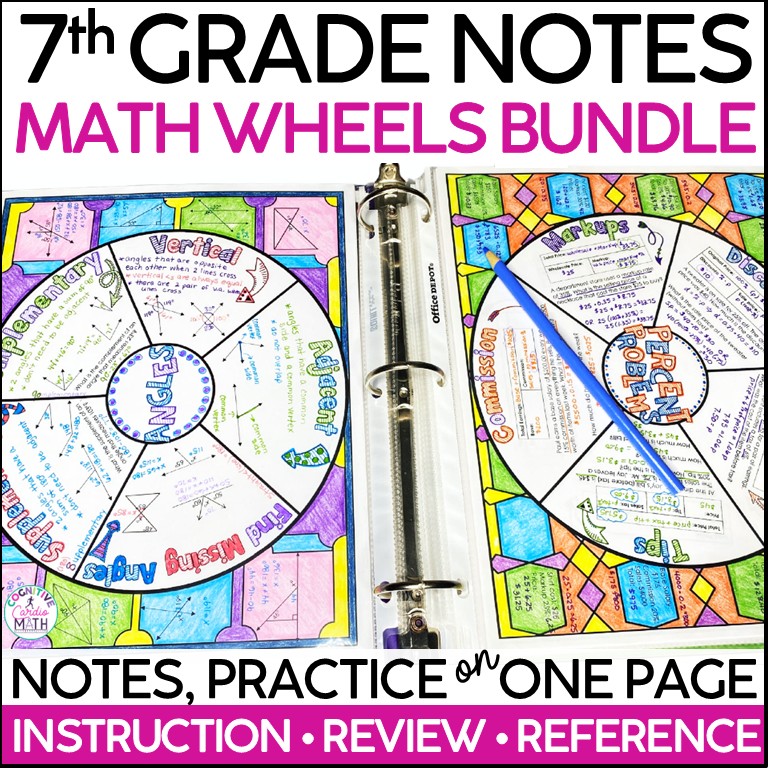
When your older students struggle with basic math facts, it often comes down to missing connections. They may have memorized isolated facts but never truly understood how those facts relate to one another. The Multiplication Facts Wheel is a powerful way to make those relationships visible.
Each section of the math wheel focuses on a number from 1 to 10. This gives your students a visual framework for how multiplication facts build on one another. You can complete one section a day, use it as a weekly spiral review, or have your students color-code patterns as they go. For example, doubles can be pink, 5s can be orange, and 10s can be blue. This color coding makes patterns stand out and gives your students a visual memory cue when recalling facts later.
Another benefit of the wheel is that it gets your students writing. Physically writing facts out reinforces muscle memory. This helps your students internalize the information in ways that typing or verbal recall don’t. Once finished, the wheel becomes a personalized reference tool they can keep in their math notebooks or display on a bulletin board. It’s an easy, low-prep way to help your students see that basic math facts aren’t just random. They’re connected through structure, repetition, and pattern.
Tip 3: Incorporate Movement and Memory Tricks

Sometimes our older students struggle with basic math facts because they were only ever taught to memorize, not to understand them. Movement-based activities can help change that! When your students get their bodies involved, the facts start to “stick” in new ways. Try having them stand and skip count in rhythm, or toss a ball back and forth while answering a multiplication fact. You can even plan for your students to complete a classroom scavenger hunt where each clue leads to another math problem.
Even something as simple as math relay races can build engagement. Divide your class into small groups and have them race to solve and check problems on the board. They’re practicing the same skills they might see on a worksheet. This time in a format that feels active and social instead of repetitive.
You can also blend this idea with your color-by-number activities. Have your students solve one problem, then get up to color their section on a wall-sized class poster version of the activity. That small bit of motion between problems helps break up monotony and gives the brain a fresh burst of energy. This makes it perfect for helping those basic math facts finally click.
Tip 4: Add Layers of Challenge for Engagement

Our older students don’t want to feel like they’re working on “baby math.” Layers of challenge keep them motivated while still reinforcing their basic math facts. Instead of presenting fact practice as a simple review, reframe it as mental math mastery or speed training. Have your students time themselves to see how quickly they can complete a page accurately. Then, challenge them to beat their own record next time. This builds healthy competition and encourages personal growth without comparing students to one another.
You can also modify the Whole Number Operations Color by Number resource to increase complexity. On the back of their completed sheet, ask your students to write an explanation of how they solved each type of problem. Did they use doubles, break-apart strategies, or fact families? This reflection transforms a fun coloring task into a deeper learning opportunity.
For your students ready for more, you can even mix in multi-step problems using their Multiplication Facts Wheel as a reference tool. Encouraging your students to show their reasoning not only keeps them engaged but also reinforces long-term understanding of basic math facts. This kind of fluency supports algebraic thinking later on.
Tip 5: Spiral Math Facts into Everyday Lessons

The best way to help your students retain their basic math facts is to make them a regular part of classroom life instead of a separate skill. When you weave fact fluency into your warm-ups, exit tickets, or transition activities, your students get repeated, low-pressure practice that doesn’t feel like a drill.
During morning work or before starting a new topic, review one section of the Multiplication Facts Wheel. Your students can complete it independently, compare answers with a partner, and identify which facts still trip them up. Over time, these quick reviews build both accuracy and automaticity.
You can also rotate your color by number pages into math centers or early finisher stations. Since they’re self-checking, your students can take ownership of their practice. You can easily spot who’s developing fluency and who still needs support. By spiraling basic math facts throughout the week, you make practice ongoing, consistent, and meaningful.
Tip 6: Connect Facts to Real-World Scenarios

Our older students are far more likely to stay engaged when they understand why basic math facts matter beyond the classroom. Connecting fluency to real-world applications helps them see the value of mastering these skills.
Bring in scenarios that feel relevant to your students’ lives. Think along the lines of shopping, sports stats, or even designing their own games. Have your students calculate totals and discounts during a classroom store simulation or figure out team averages from recent sports scores. These activities require quick recall of basic math facts, but they also show how those facts make everyday math easier.
For a creative twist, encourage your students to design their own color-by-number pages. They can create a theme that reflects their interests, such as video games, travel, or animals. Once they have their designs, they can write problems to match. Assigning each color to a specific answer turns them into both problem solvers and creators. This kind of ownership reinforces fact fluency while also showing them that math can be both functional and fun.
Empower Your Students By Helping With Basic Math Facts

Helping your older students master their basic math facts doesn’t have to feel like reteaching elementary skills. It’s about giving them tools that rebuild confidence and make math approachable again. When your students finally move beyond finger-counting and hesitation, everything else in math starts to flow more naturally. With engaging resources like color-by-number activities and the Multiplication Facts Wheel, practice becomes purposeful.
The key is consistency and creativity. Mix hands-on visuals, movement, and real-world connections to show your students that knowing their basic math facts is the foundation for success in every new math concept. Whether you use these strategies as quick warm-ups, review stations, or independent practice, they’ll help your students feel more capable, motivated, and ready to take on higher-level math with confidence.
Explore More Engaging Resources
If you’re looking for even more ways to make math practice meaningful and approachable, visit my TPT shop. You’ll find a wide variety of resources designed to help your students master basic math facts and beyond. There are additional color-by-number activities and complete math units, hands-on partner games, movement-based practice, and activities that make learning math feel fun and achievable for each of your students. Whether you’re refreshing your centers or planning your next unit, you’ll find exactly what you need to bring confidence and excitement to math class!
Save for Later
Want to revisit these ideas when you’re planning your next review unit or prepping math centers? Save this post to your favorite teaching Pinterest board so you can come back to it any time! These tips and activities for mastering basic math facts are perfect for older students who need that extra boost of confidence. Pin it now and make fact fluency practice easy, engaging, and effective for your classroom!