There is always a point during math notes when you can feel some of your students start to shut down. A few students are still trying to copy the first example, while you have already moved on to the second problem. Some are staring at a crowded notebook page, trying to figure out where to write. Others have become so focused on copying every single word correctly that they missed the actual math instruction happening right in front of them. For many of our special education students, the challenge is not just learning the math concept itself. It is managing all the executive functioning tasks that come along with math instruction at the same time.
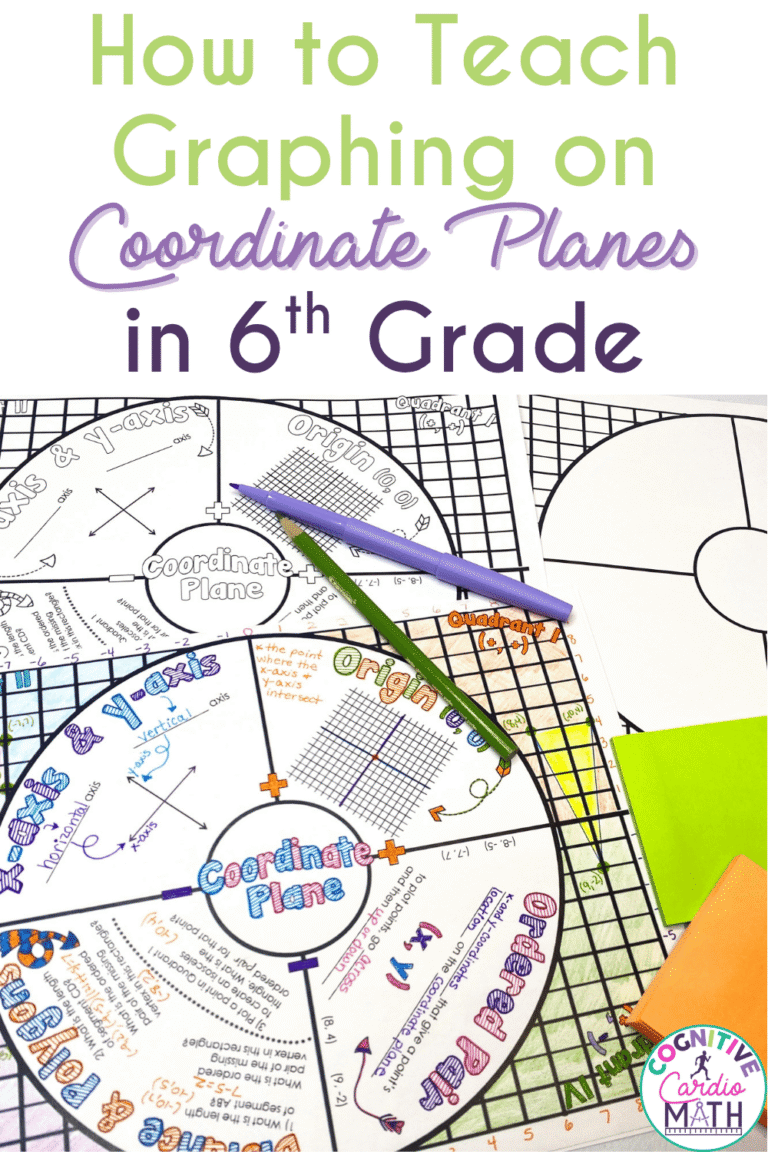
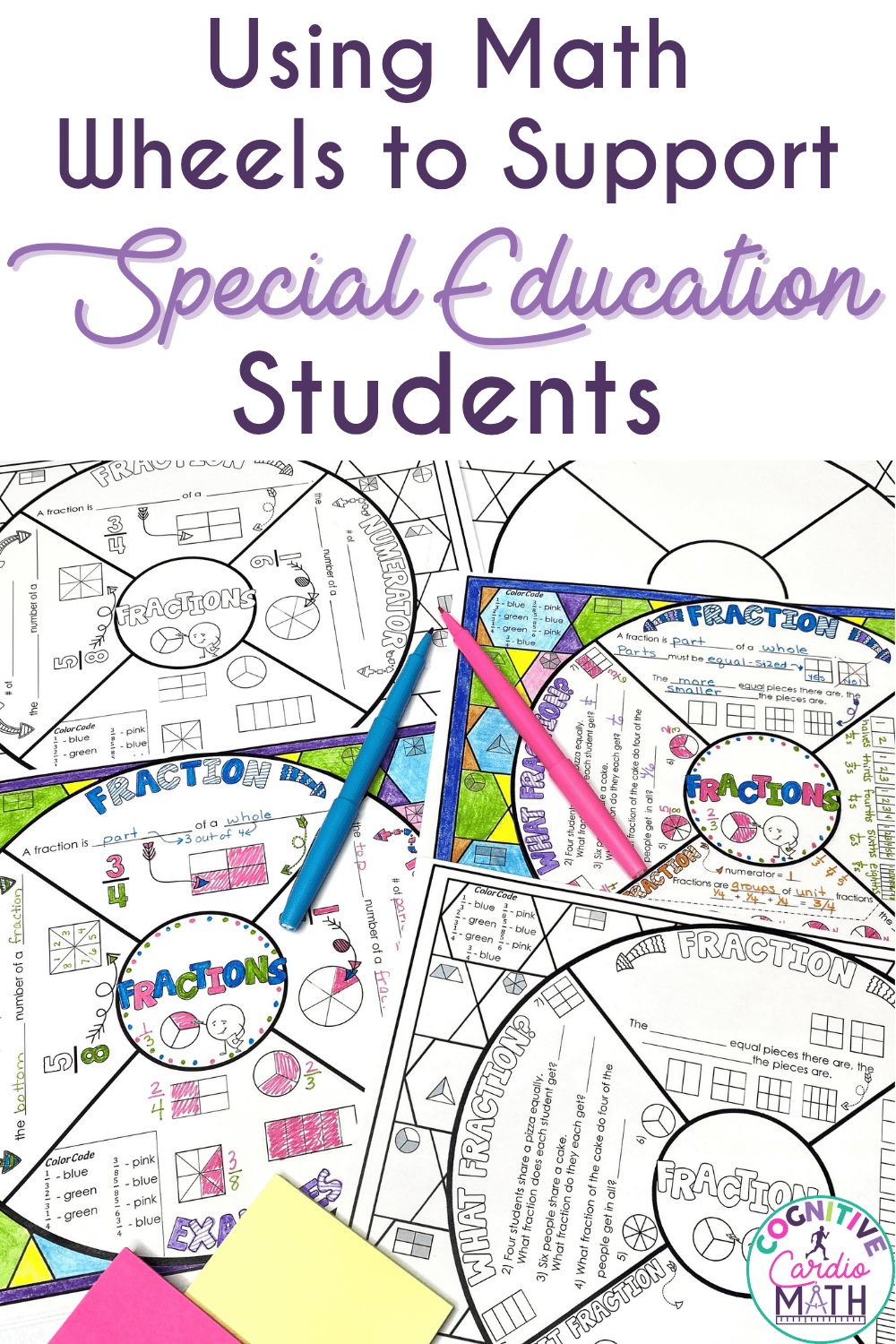
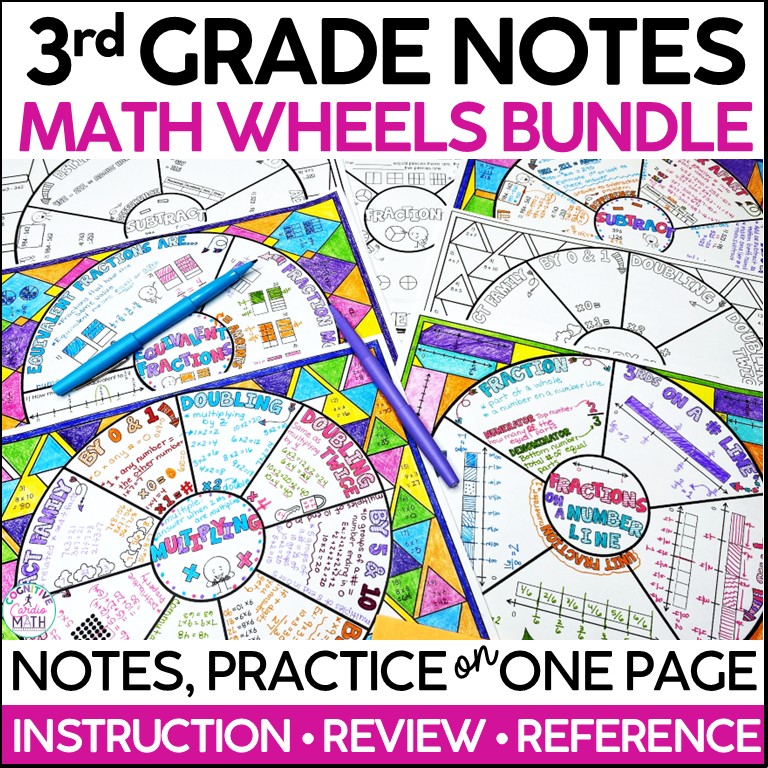
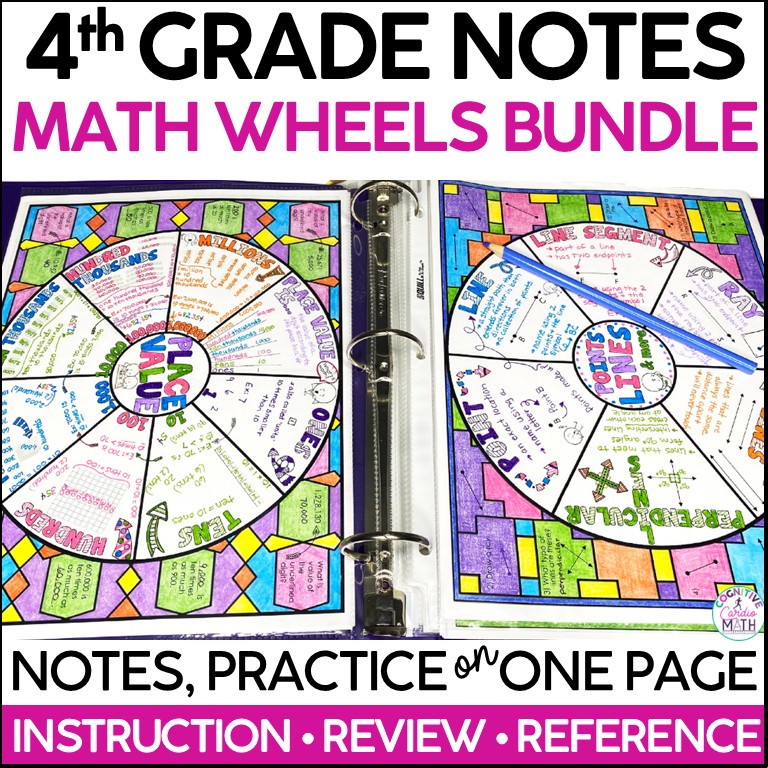
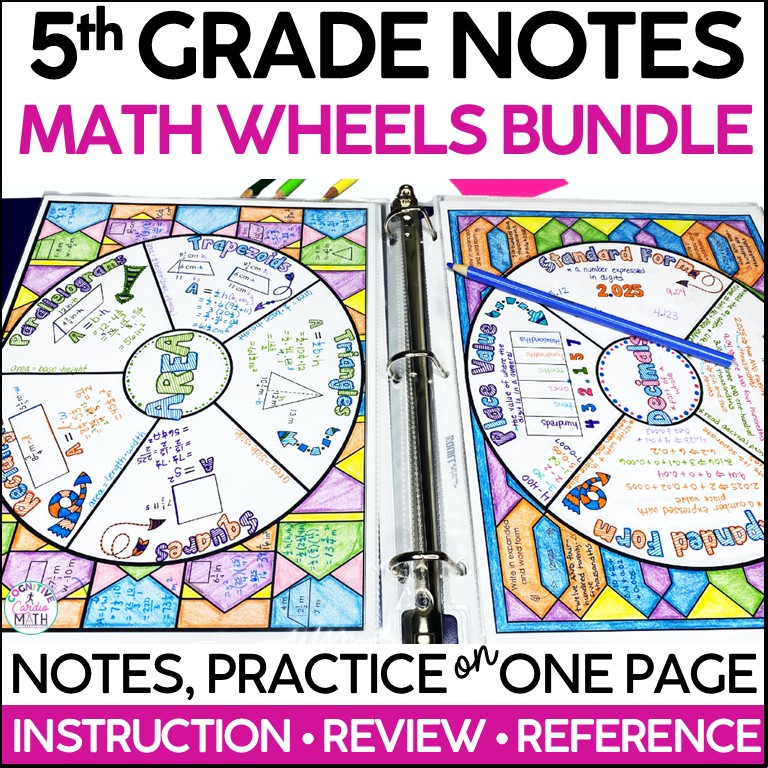
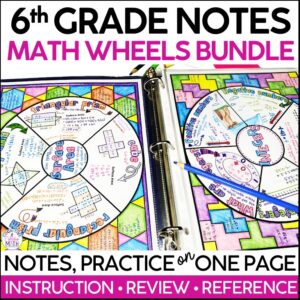
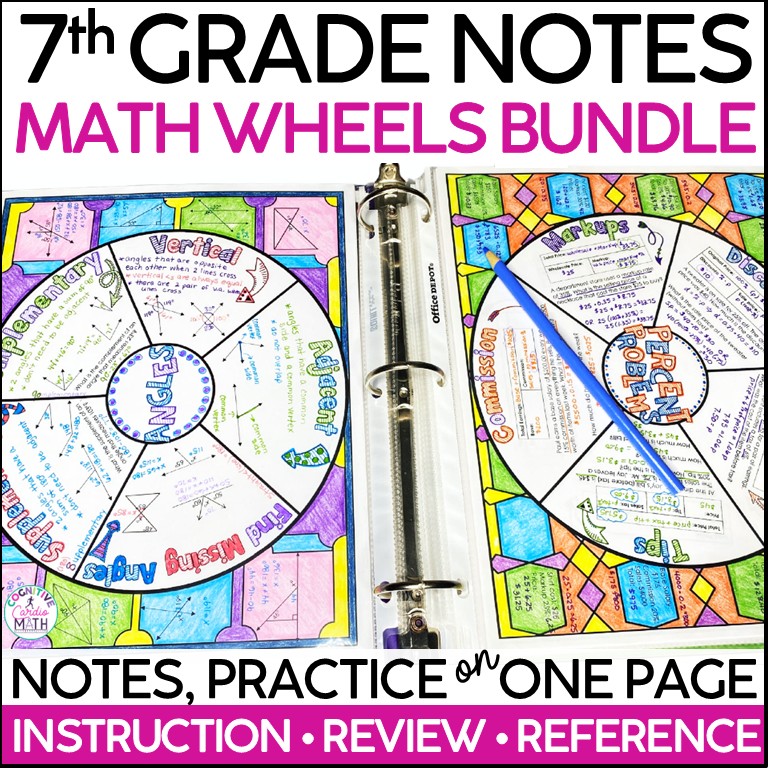
That is one reason why these math wheels can be such a helpful support in the classroom. Instead of overwhelming your students with disconnected notes and long pages of examples, math wheels organize information into smaller, manageable sections. The structure feels clear, predictable, and much less intimidating for your students who need extra support. What I love most is that math wheels do not lower the rigor of the lesson. They simply make the learning more accessible. Your students are still working through important math concepts. They are just doing so with visual support, guided organization, and scaffolded notes that help them stay focused and successful.
Why Structure Matters for Special Education Students
Many of our special education students struggle with cognitive overload during math instruction. They may be trying to process verbal directions, organize materials, remember vocabulary, copy notes, and solve problems all at the same time. Even our students who understand the math concept can become overwhelmed by the amount of information happening during a lesson.
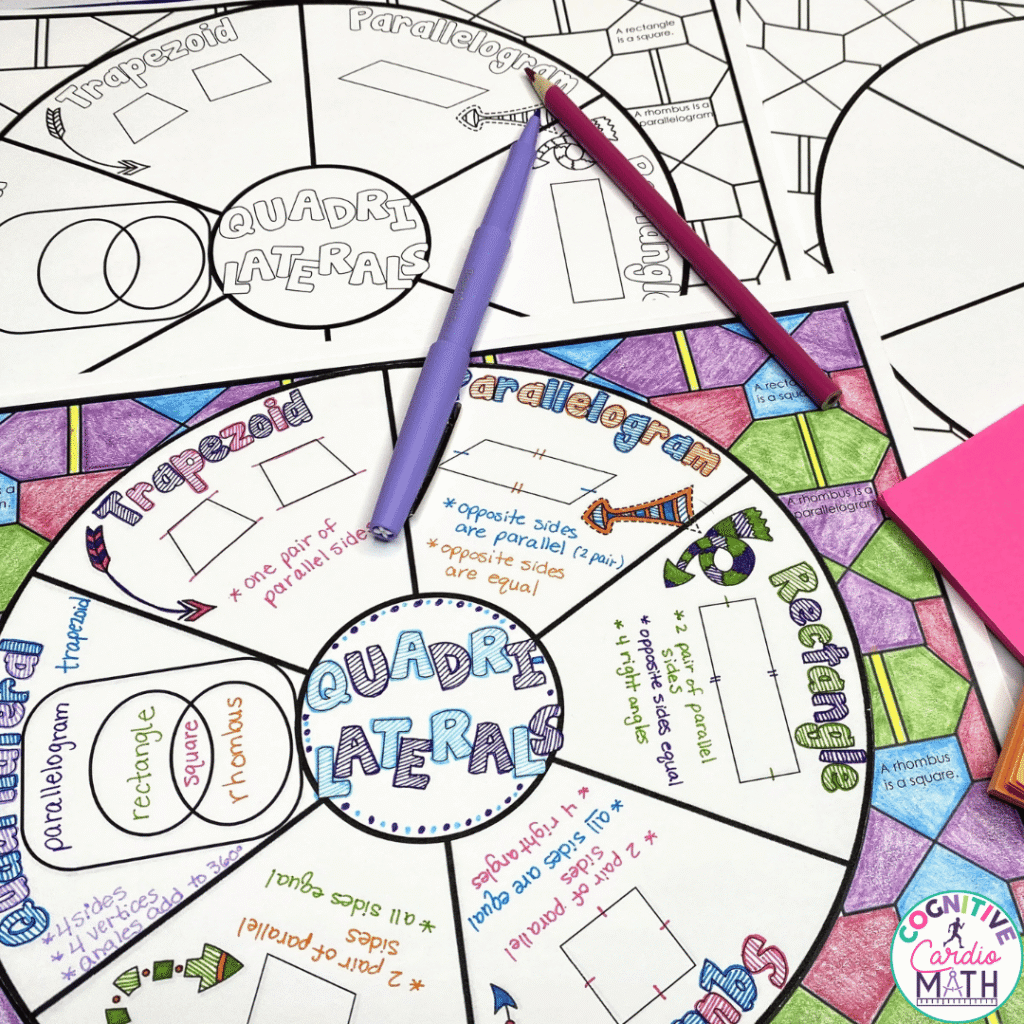
That is why consistent structure matters so much. When your students already understand how the organizer works, they can spend less energy figuring out where to put information and more energy actually learning the skill. The predictable layout reduces stress and helps your students focus on the content.
Math wheels also naturally support that consistency. Each section has a clear purpose, and the visual organization helps your students break the lesson into smaller pieces. Instead of seeing an entire page full of notes, your students see one section or step at a time. That can make a huge difference for your students who become overwhelmed easily.
Math Wheels Naturally Support IEP Accommodations
One of the best parts about using math wheels with your special education students is how naturally they align with common IEP accommodations. Many of your students benefit from guided notes, chunked instruction, reduced copying demands, visual supports, repeated examples, and scaffolded practice. Math wheels already include many of those supports built directly into the resource.
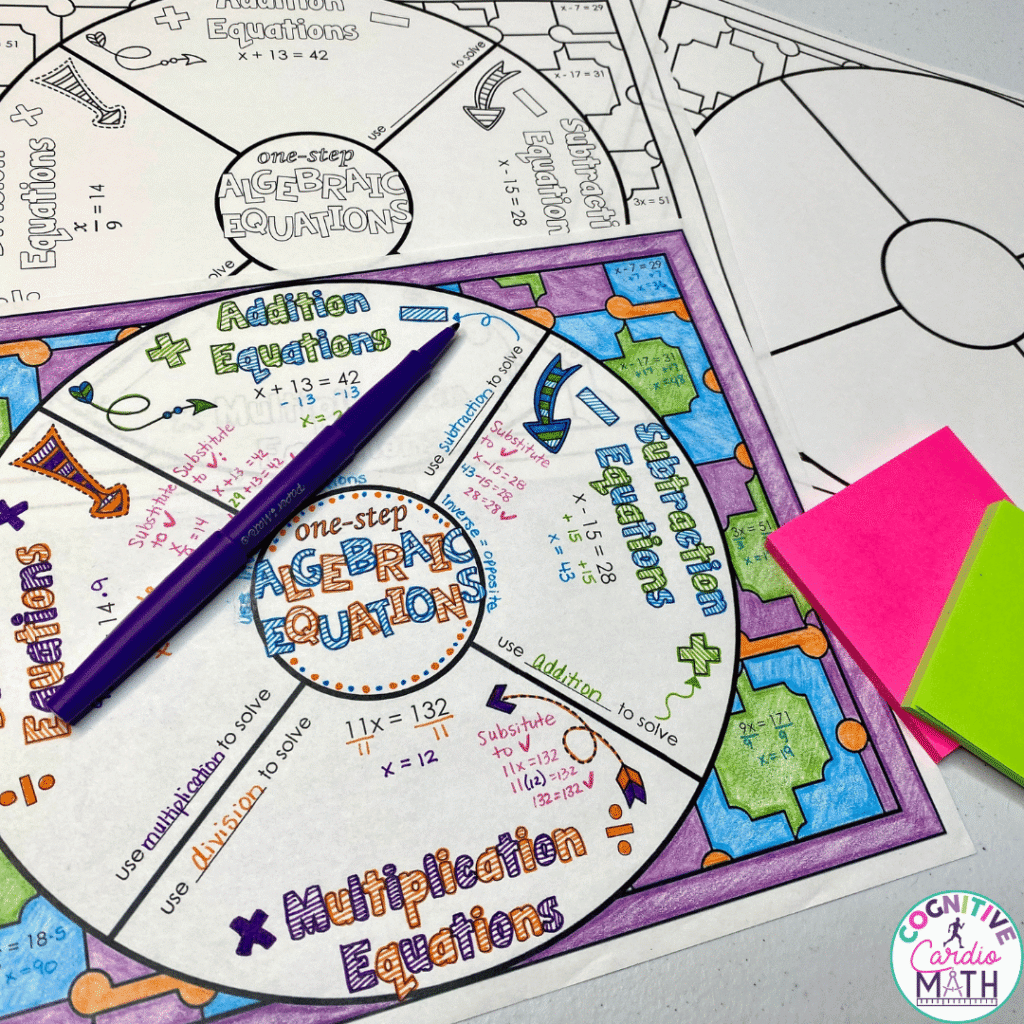
The different versions are especially helpful because they allow you to differentiate without completely changing the lesson. Some of your students may use the open-note version and write everything independently. Others may need the fill-in version to help control spacing and reduce writing fatigue. Some of your students may benefit from the pre-filled notes version so they can focus entirely on understanding the math rather than keeping up with copying.
This flexibility makes it easier to support a wide range of learners within the same classroom. Your students can all participate in the same lesson while still receiving the level of support they individually need.
Reducing Note-Taking Anxiety During Math Lessons
Note-taking anxiety is something I do not think we talk about enough, especially for special education students. Some of your students become so worried about writing neatly, copying correctly, or keeping up with the pace of instruction that they stop engaging with the actual math.

Math wheels help remove some of that pressure. The guided format already provides the structure your students need, so they are not staring at a blank notebook page, wondering where to begin. This means that your students can focus on listening, participating, and connecting ideas instead of scrambling to organize their notes.
The visual layout also helps your students know exactly where to find information later. This becomes important during independent work, homework, small group instruction, or review days. Your students can return to the wheel and quickly locate vocabulary, examples, models, and reminders without flipping through multiple notebook pages. That sense of organization can build confidence for your students who often feel lost during math instruction.
Supporting Executive Functioning Skills in Math
Executive functioning skills play a huge role in math success. Your students need to organize information, manage materials, follow steps, remember procedures, and transition between tasks. Many of our special education students need explicit support in these areas.
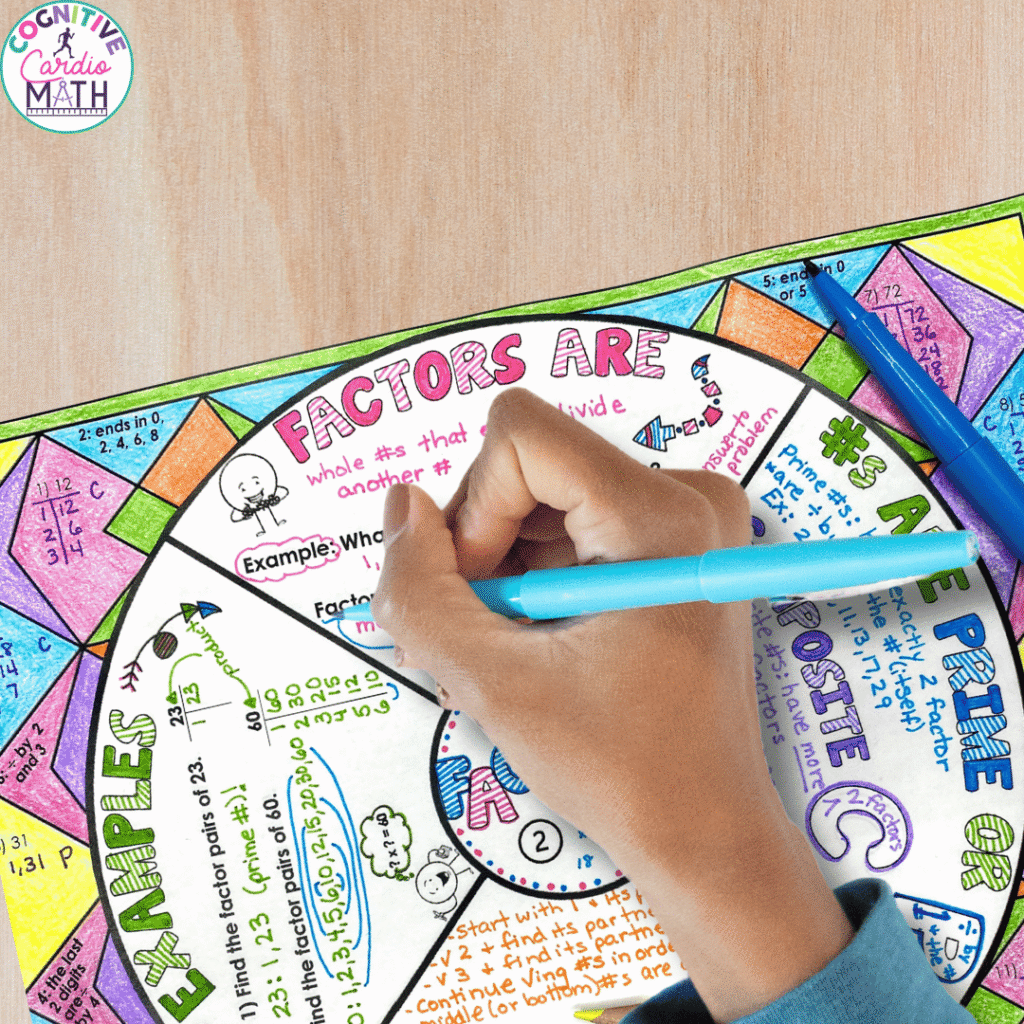
Math wheels provide a visual roadmap that helps your students stay organized throughout the lesson. Each section clearly shows where information belongs and how the different parts connect together. Your students can visually track their learning instead of trying to hold everything in working memory.
The smaller sections also help your students keep their attention. Instead of completing one long page of notes, they work through shorter chunks of information, one section at a time. That pacing often feels much more manageable for your students who struggle with focus or attention.
The coloring and doodling opportunities can also help increase engagement. For some of your students, adding color coding, visuals, and creative elements helps the learning stick. It turns note-taking into something more interactive and less overwhelming.
Using the Metric Conversions Math Wheel with Special Education Students
My Metric Conversions Math Wheel is a great example of how visual structure can support your struggling learners. Metric conversions can easily become confusing because your students are trying to remember prefixes, unit relationships, and how many places to move when converting.
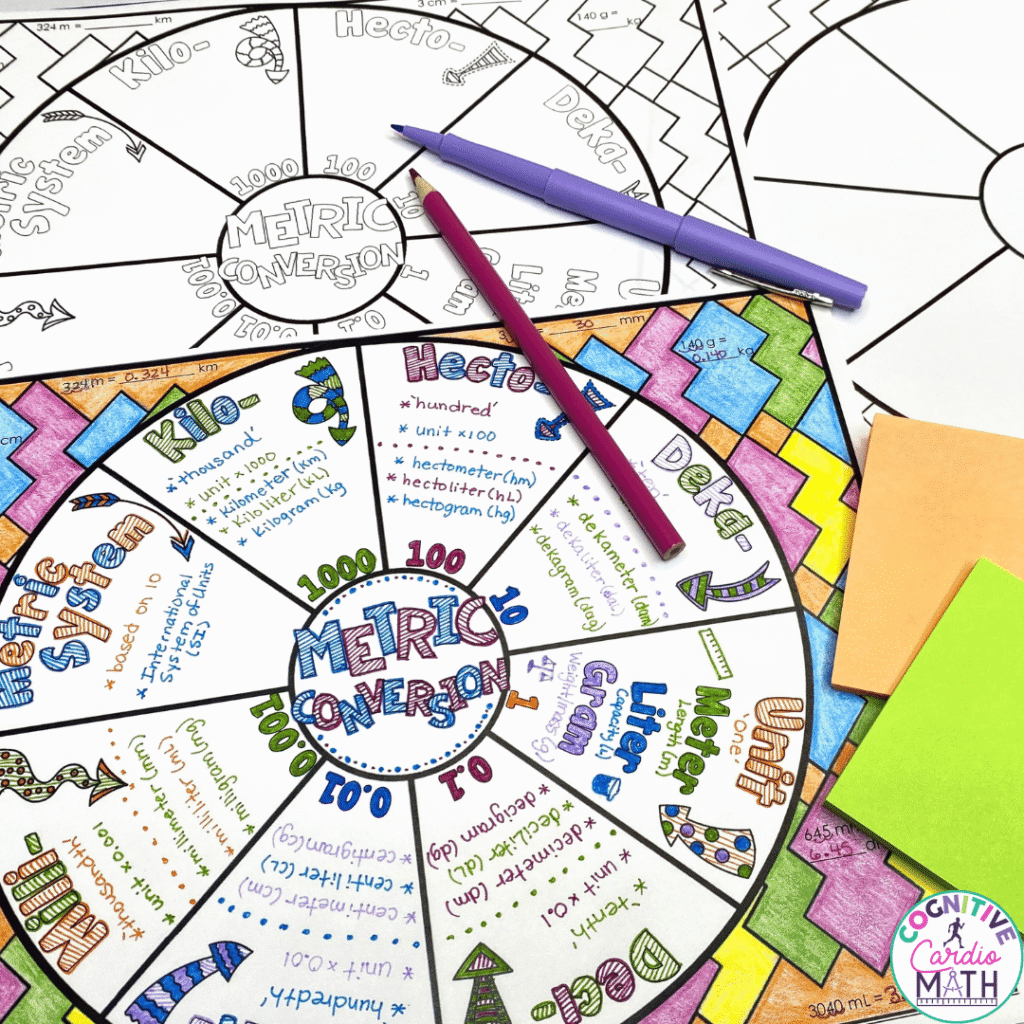
This math wheel breaks those ideas into smaller sections that your students can process more easily. Each metric prefix has its own space, along with visual reminders and guided notes. Your students can clearly see how the units connect together instead of memorizing disconnected rules. For your special education students, having a reference tool they can return to during independent practice can reduce frustration and increase confidence.
Using the Probability Math Wheel to Organize Abstract Concepts
Probability is another topic that can feel abstract for many of our students. Terms like theoretical probability, experimental probability, sample space, and outcomes can quickly become overwhelming when students are trying to keep track of new vocabulary and procedures at the same time.
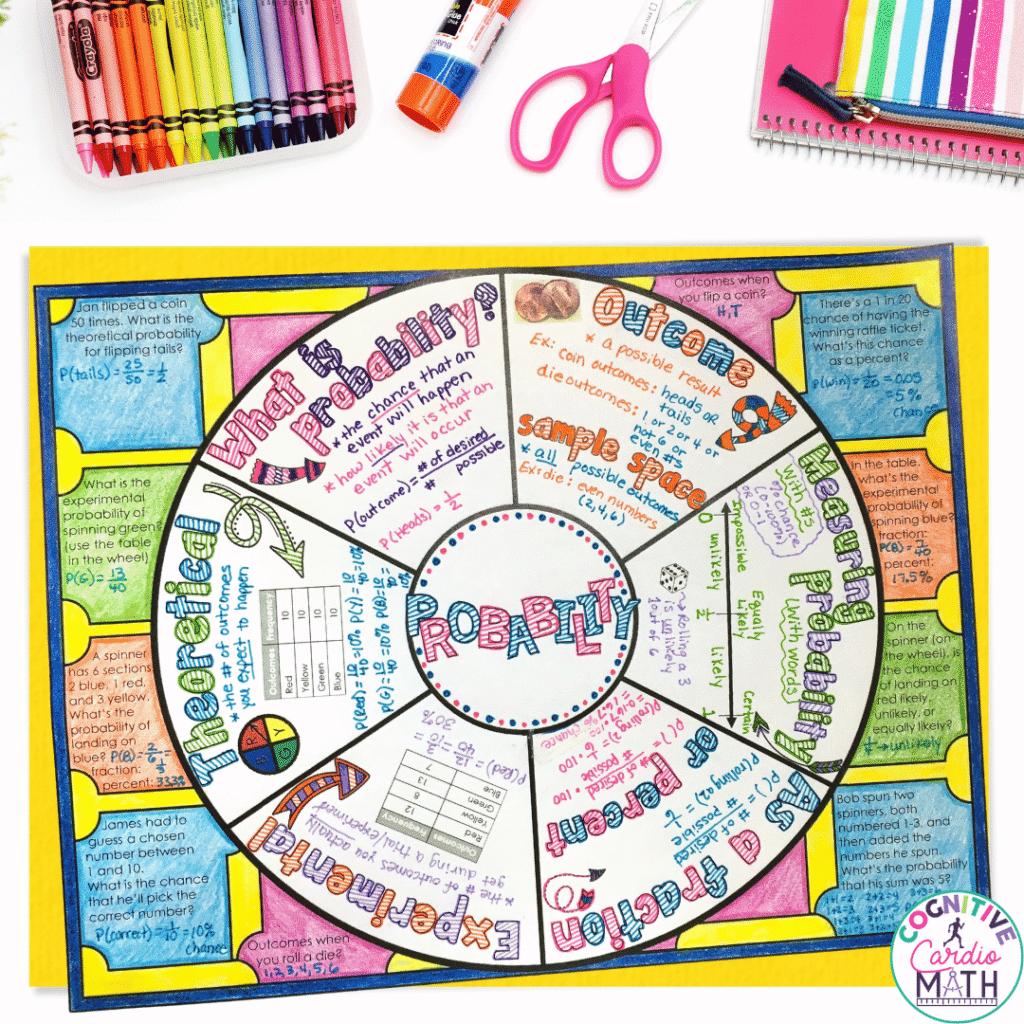
The Probability Math Wheel helps organize those ideas into manageable sections with visuals and examples connected directly to the vocabulary. Instead of scattering notes across several pages, your students keep everything in one organized place. The wheel also gives your students repeated visual exposure to important concepts. That repetition can be extremely helpful for your special education students who benefit from seeing information presented multiple ways.
One thing I especially like is that the examples around the outside of the wheel create additional guided practice opportunities. Your students are not just copying notes. They are actively interacting with the skill throughout the activity.
Using the Fraction Concepts Math Wheel for Visual Learning
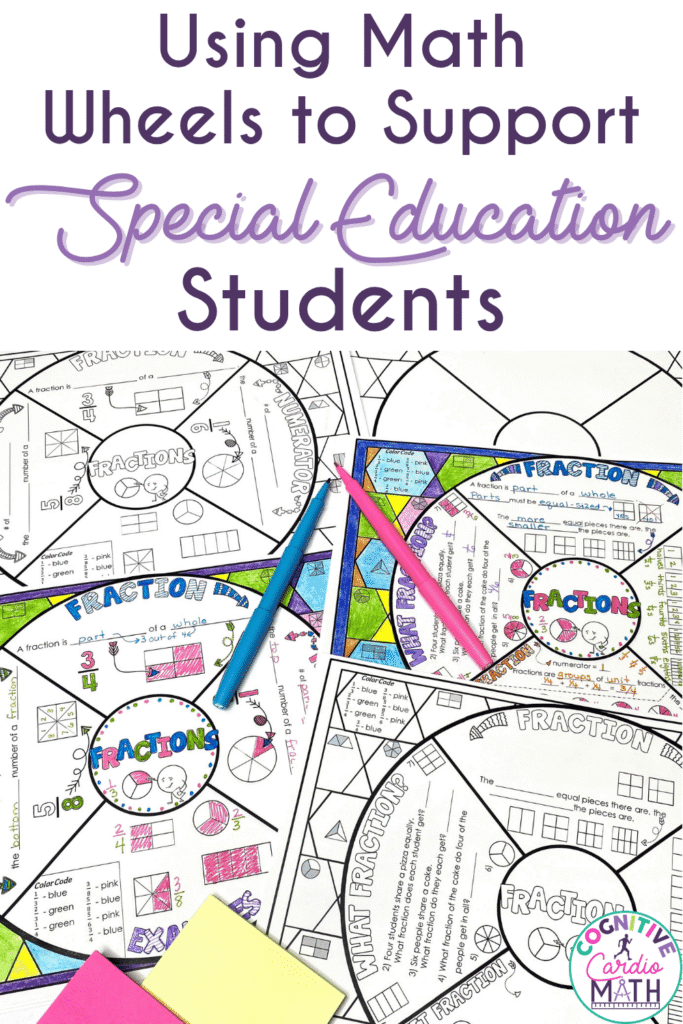
Fractions are one of those math concepts where visuals matter so much. Many of our students can memorize numerator and denominator vocabulary without truly understanding what fractions represent. That is why the Intro to Fractions Math Wheel works so well for your special education students.
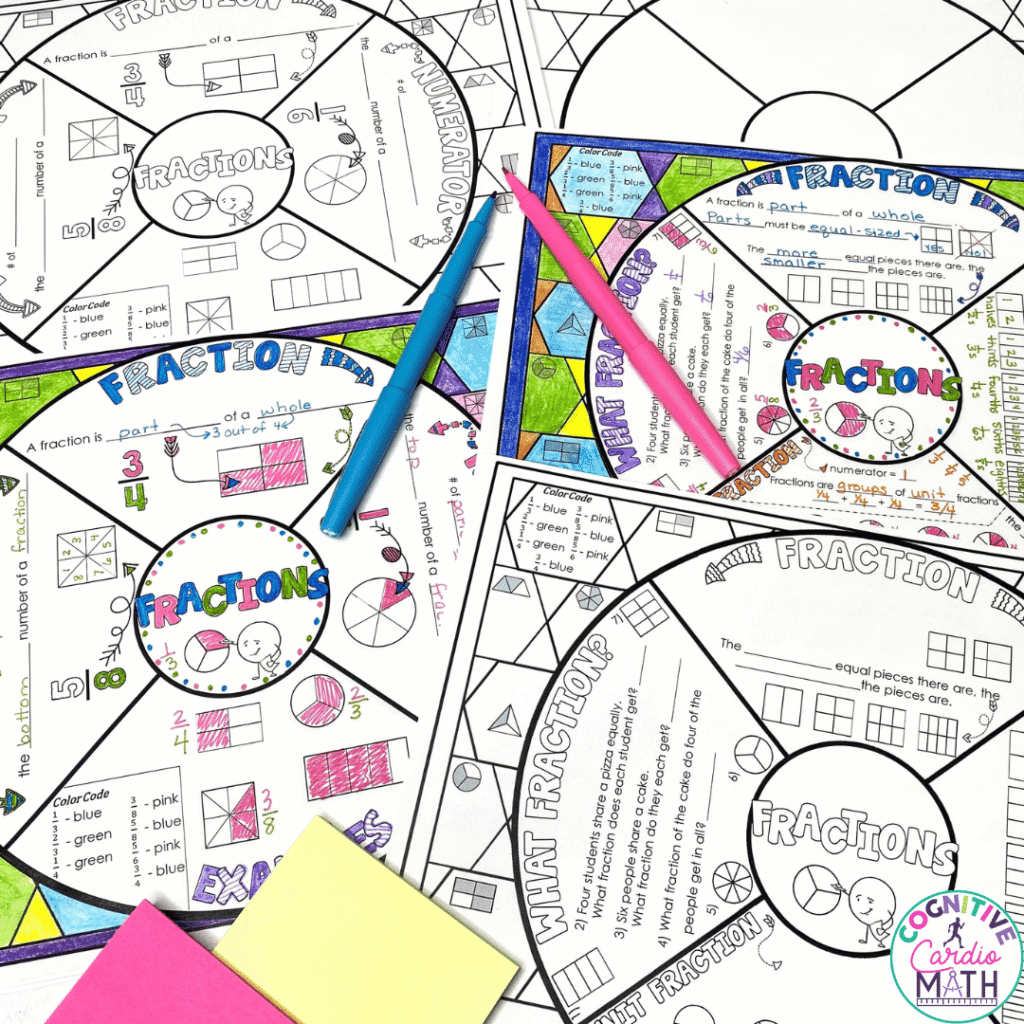
The wheel combines definitions, fraction models, visual examples, color coding, and guided practice all in one place. Your students can physically see fractions represented while connecting the models to the vocabulary and numbers. I also made sure the wheel reinforces important foundational ideas like equal parts and unit fractions. Those concepts are often where our struggling learners need the most support.
Why You’ll Love Using Math Wheels With Your Learners
I could see a huge difference when I started using math wheels. My students stayed focused longer, participated more during notes, and felt less overwhelmed by the math. Instead of staring at a full page of scattered notes, they had a clear graphic organizer with visuals, examples, and information broken into manageable sections.

The engaging format made a big difference, too. I used math wheels for topics like inequalities, combining like terms, and integer operations. My students genuinely enjoyed working on them. The coloring, visuals, and organization helped keep them engaged while still reinforcing the math skills we were practicing.
What stood out most to me was how much more successful my students felt during lessons. The succinct information, scaffolded layout, and guided examples gave them support without making the work feel intimidating. My students were still being challenged academically, but they had the structure they needed to access the learning more confidently.
I also loved that the wheels became ongoing reference tools for my students. During independent practice or review days, they could look back at their math wheels instead of waiting for help every few minutes. That extra independence can be such a confidence booster for all of our students, especially for our special education students.
Helping Our Special Education Students Feel More Successful in Math
Many of our special education students walk into math class already feeling anxious or defeated. They may have experienced repeated frustration with note-taking, organization, or multi-step problems in the past. Small instructional shifts that reduce overwhelm can completely change how our students experience math.
Math wheels help create those small shifts. They provide visual structure, scaffolded support, organized notes, and guided practice in a format that feels approachable for students. They also give our students something they can continue using long after the lesson ends. Whether students are reviewing for a test, working independently, or participating in intervention groups, the math wheel becomes a helpful reference tool they can rely on. Most importantly, math wheels help our students feel capable. When our students can follow the lesson, stay organized, and successfully complete the math work, their confidence starts to grow alongside their understanding.
Explore More Math Wheels and Math Resources
If you are looking for more ways to support your special education students during math instruction, be sure to explore my full collection of math wheels and other math resources in my TPT store. You will find resources covering a wide variety of math skills, including fractions, probability, metric conversions, inequalities, combining like terms, integers, and more.
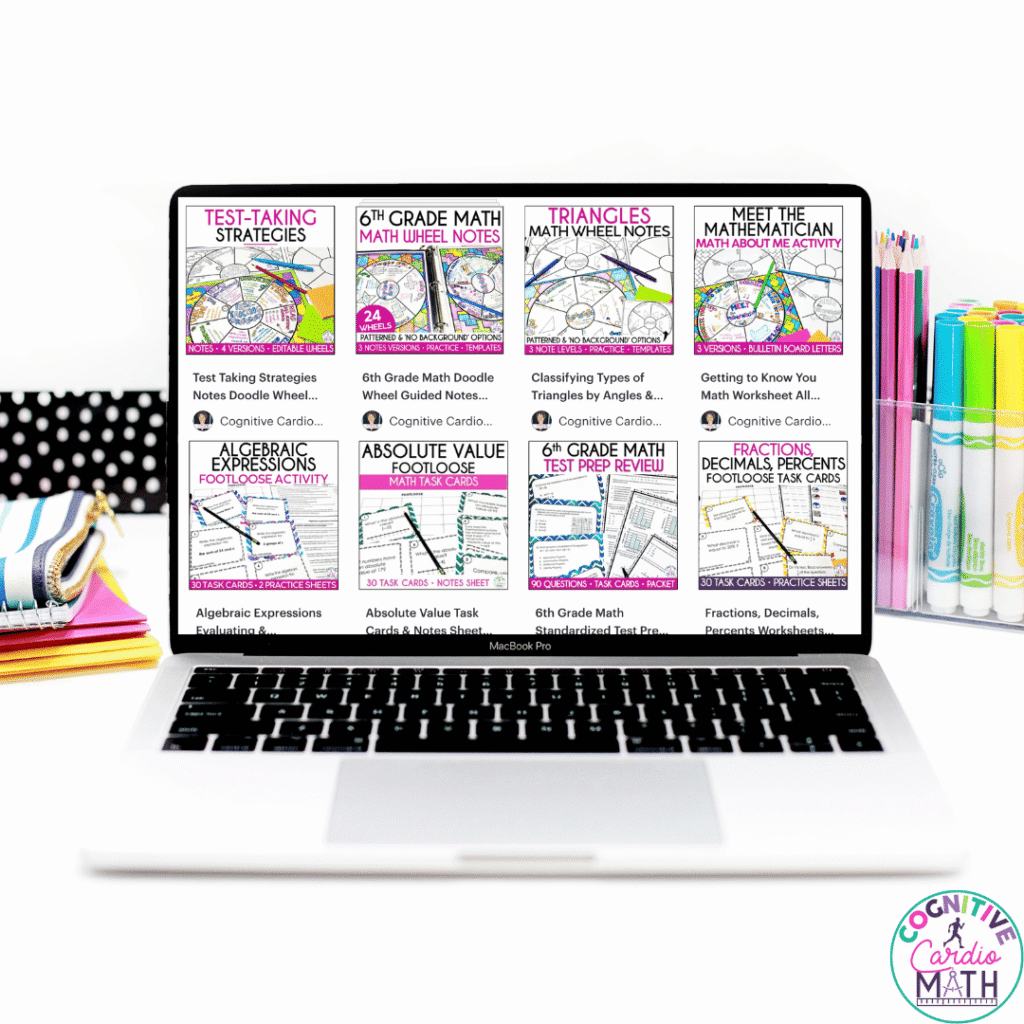
Most of these resources include scaffolded note options, guided practice, visuals, and engaging formats that help make math more accessible for your struggling learners. Grab review activities, task cards, color by number activities, math games, and additional supports that work well for intervention, small groups, and whole class instruction. Having consistent structures across multiple math topics can make a huge difference for your students who thrive on predictability and visual organization.
Supporting Your Special Education Students With Confidence and Structure
Supporting your special education students in math does not always require completely reinventing your instruction. Sometimes the biggest impact comes from giving your students better tools for organizing and processing information. Math wheels help reduce overwhelm, support executive functioning, lower note-taking anxiety, and create a visual structure that helps your students stay engaged throughout the lesson. They give your students access points into the learning while still maintaining high expectations and meaningful math instruction. When your students feel supported instead of overwhelmed, they are much more likely to participate, persist, and build confidence in their math abilities.
Save for Later
Save this post to your math intervention or special education Pinterest board so you can come back to these math wheel ideas when planning future math lessons for your special education students.