Whether you’re teaching a decimal operations unit for the first time or just looking to refresh your approach, this post will help you build confidence when tackling operations with decimals. The video breaks down essential concepts, gives clear visuals, and highlights ways to help your students make sense of adding, subtracting, dividing, and multiplying decimals. You’ll also get a solid overview of key strategies and helpful insights into how students typically approach operations with decimals.
What the Video Covers About Decimal Operations
This 25-minute training starts with the basics. It gradually moves into more detailed strategies for teaching decimal operations in a way that really sticks. I start off by explaining how to help your students avoid one of the most common mistakes: misaligning decimal points. You’ll see how to reinforce the importance of place value when setting up addition and subtraction problems. Then, we move into multiplying decimals. I share the importance of estimation and how this can really help decimal point placement make more sense/seem more logical for students. Next is a brief exploration that helps students with estimation. Then we jump into the decimal multiplication process: I model how to ignore the decimal at first, multiply like whole numbers, and then use estimation to decide on the placement of the decimal point. (Eventually we would also count the decimal places to show how the ‘rule’ and the logic of estimation give us the same answer). We follow the same estimation, exploration, and decimal placement methods with dividing decimals. The focus here is to learn how to make sure our answers are reasonable.
Quick Tip for Teaching Operations With Decimals
One tip that’s made a big difference for me when teaching operations with decimals was to always anchor the lesson in estimation and place value.

I’ve also found it helpful to pause and have students read their numbers out loud. For example, instead of seeing 3.6 as “three point six,” I encouraged them to say ‘three and six tenths.’ That simple change got them thinking about the value of the digits, not just the symbols on the page. It also helped them align decimals correctly and make sense of their answers.
You can even turn this into a quick warm-up. Write a few decimal numbers on the board each day. Then, have your students read them aloud and explain what each digit represents. It’s a small step that can greatly improve their confidence and accuracy when working with decimals.
Reinforce Decimals with Operations Using Math Wheels

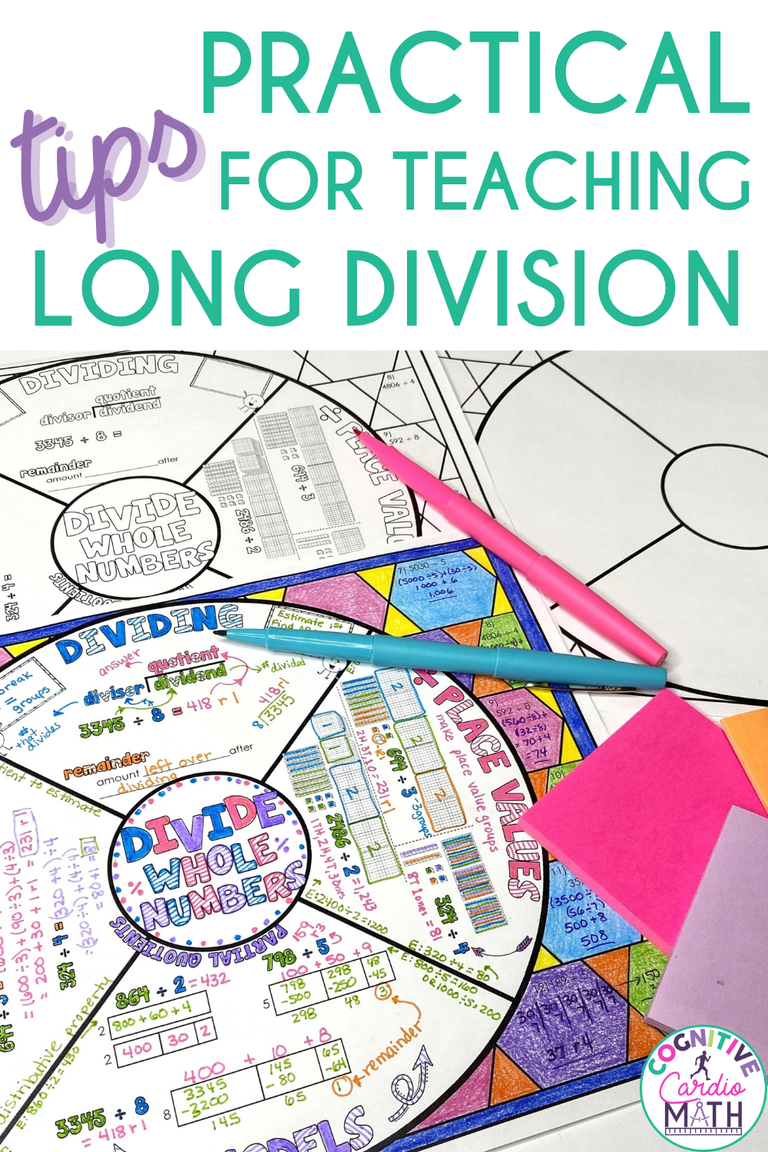
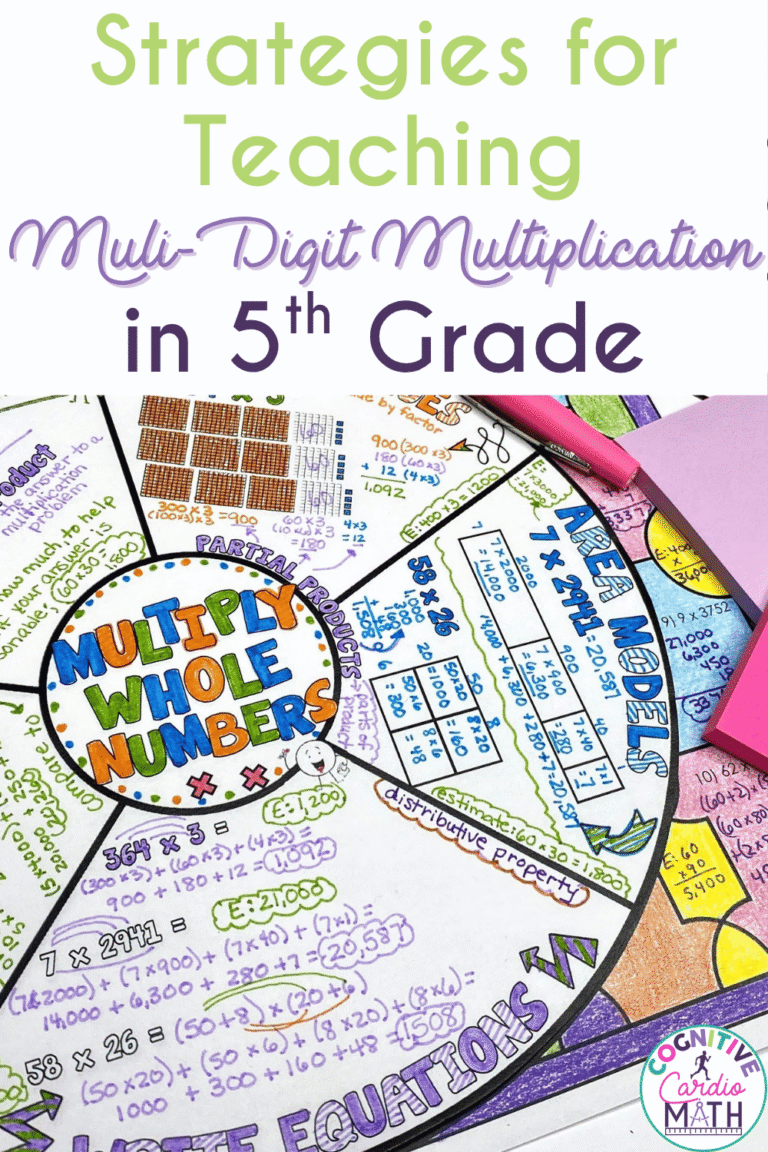
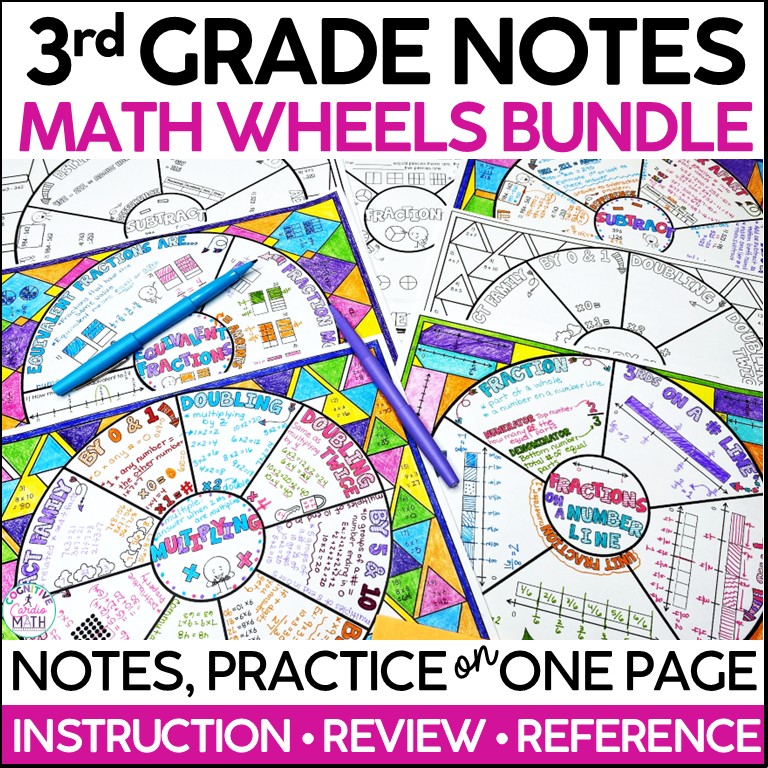
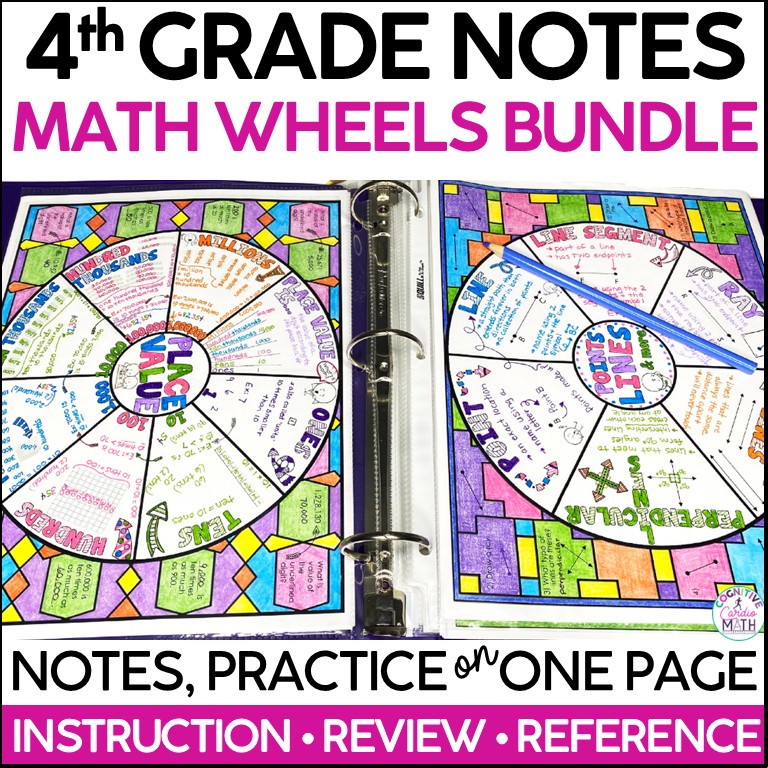
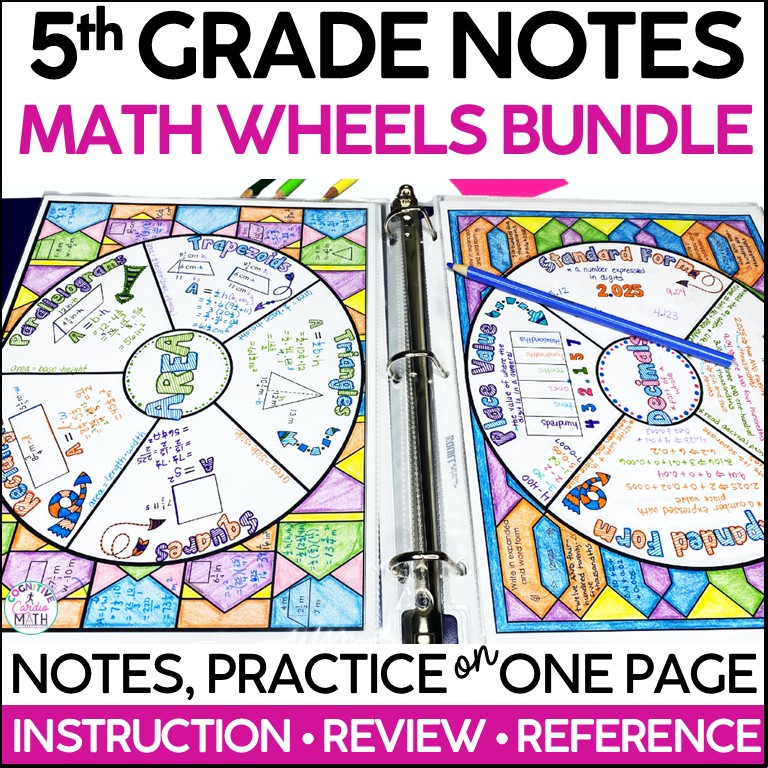
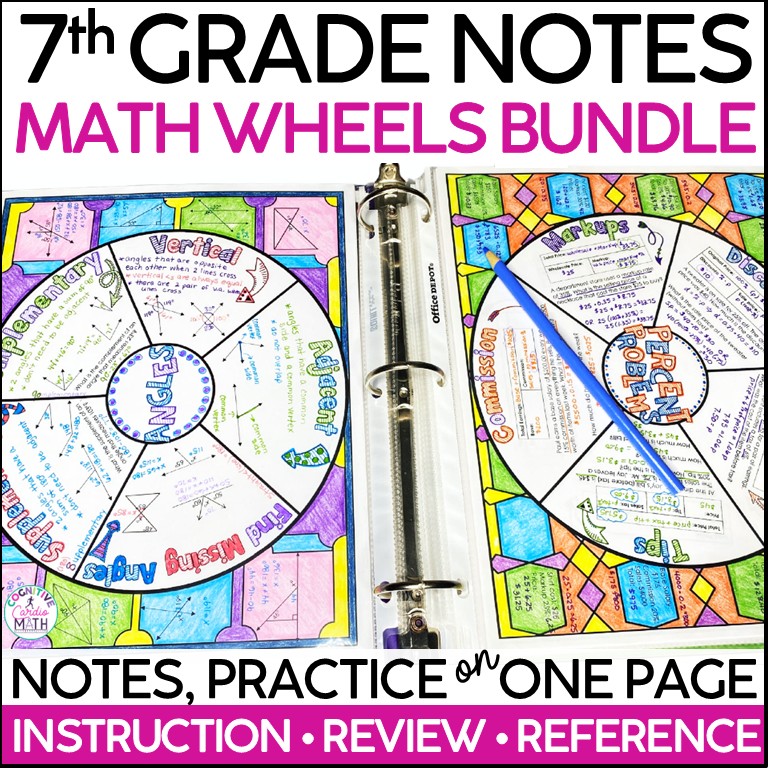
If you’re looking for a way to give your students consistent, meaningful practice with decimals, my Operations with Decimals Math Wheel Bundle is a great addition to your toolkit. Each wheel targets a specific operation, such as adding, subtracting, dividing, or multiplying. They all follow the same structured format, making them easy to implement across multiple lessons.
These math wheels support visual learning and independent practice. The wheels have different sections. Each section explains a step of the targeted concept. This helps make the concept more approachable and ensures your students are building up from a sturdy foundation. Once the notes are finished, your students solve problems around the wheel to apply what they’ve learned. Along the way or after they are finished filling out the wheel, you can have your students add doodles, fonts, or colors to their notes to help information stand out and be remembered.
What I love most about using math wheels like these is their flexibility. You can use them as guided practice during small groups, independent work for early finishers, or even a quick check-in activity when you’re short on time.
Save for Later
Teaching operations with decimals is something we revisit again and again, whether it’s during a main instructional unit or in small group reteaching sessions. If you’re not quite ready to dive in today, go ahead and pin this post so it’s easy to come back to when you’re planning your decimal lessons. You’ll be glad to have everything right at your fingertips when the time comes!