If there’s one shape that always grabs our students’ attention in geometry, it’s circles. Maybe it’s because they’re everywhere – from wheels and pizzas, to coins and cookies. Maybe it’s because circles feel a little mysterious with that never-ending number we call “pi”. Whatever the reason, teaching circles is one of those times in the year when math feels a little more engaging.
Circles can also be a bit overwhelming for our students. With new vocabulary, formulas to memorize, and the challenge of connecting it all together, circles take some extra practice to fully understand. The good news is that, with the right mix of activities, visuals, and hands-on tools, circles can go from intimidating to exciting.
Why Teaching Circles Matter

Circles aren’t just another geometry unit to check off. They’re foundational for so many math concepts our students will see later. Understanding radius, diameter, circumference, and area lays the groundwork for more advanced topics, from geometry proofs to trigonometry and even real-world applications like engineering or design. When our students really “get” circles, they’re better prepared to tackle more complex math down the road.
Teaching circles also gives us a chance to show our students how math connects to everyday life. Whether it’s measuring a round table, calculating how far a bike wheel travels, or figuring out how much frosting they need for the top of a cake, circles pop up everywhere. This makes it easier for our students to see the why behind their learning.
We can’t forget about confidence. Circles can seem intimidating at first. Once our students discover how approachable the concepts are, they build momentum. That confidence often spills over into other areas of math, making circles a powerful unit for boosting both skills and self-belief.
Using the Circles Math Wheel for Note-Taking

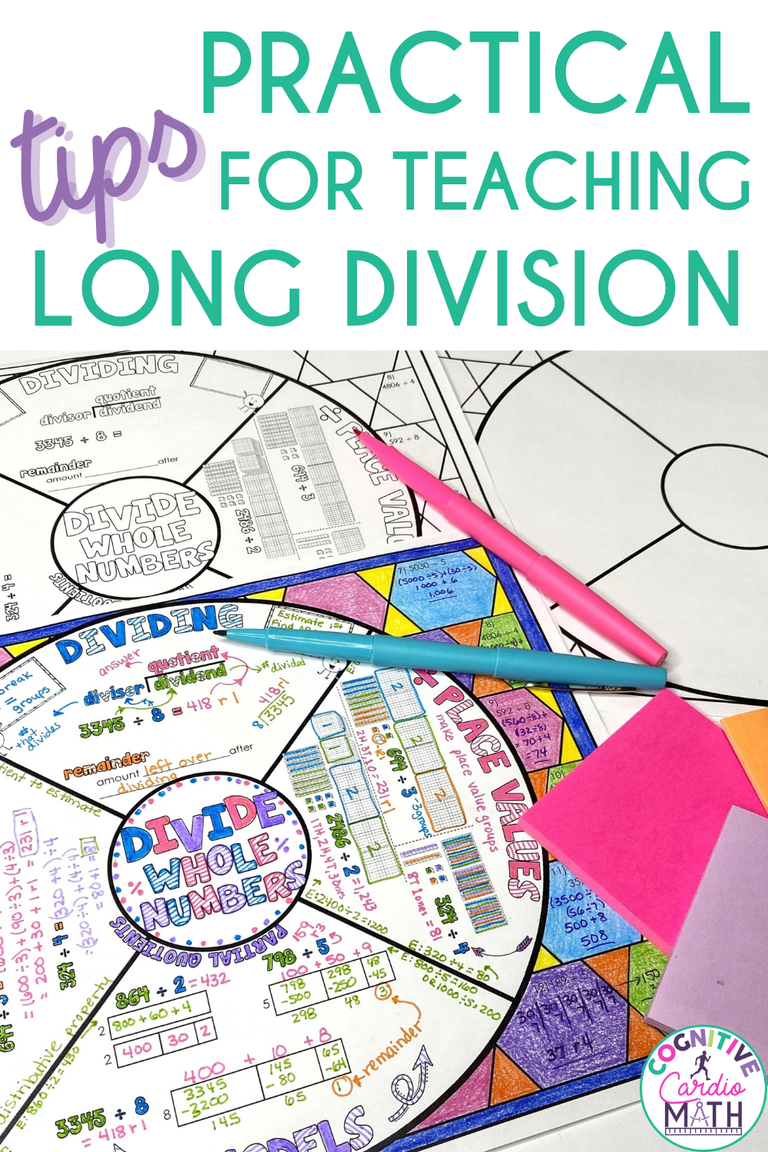
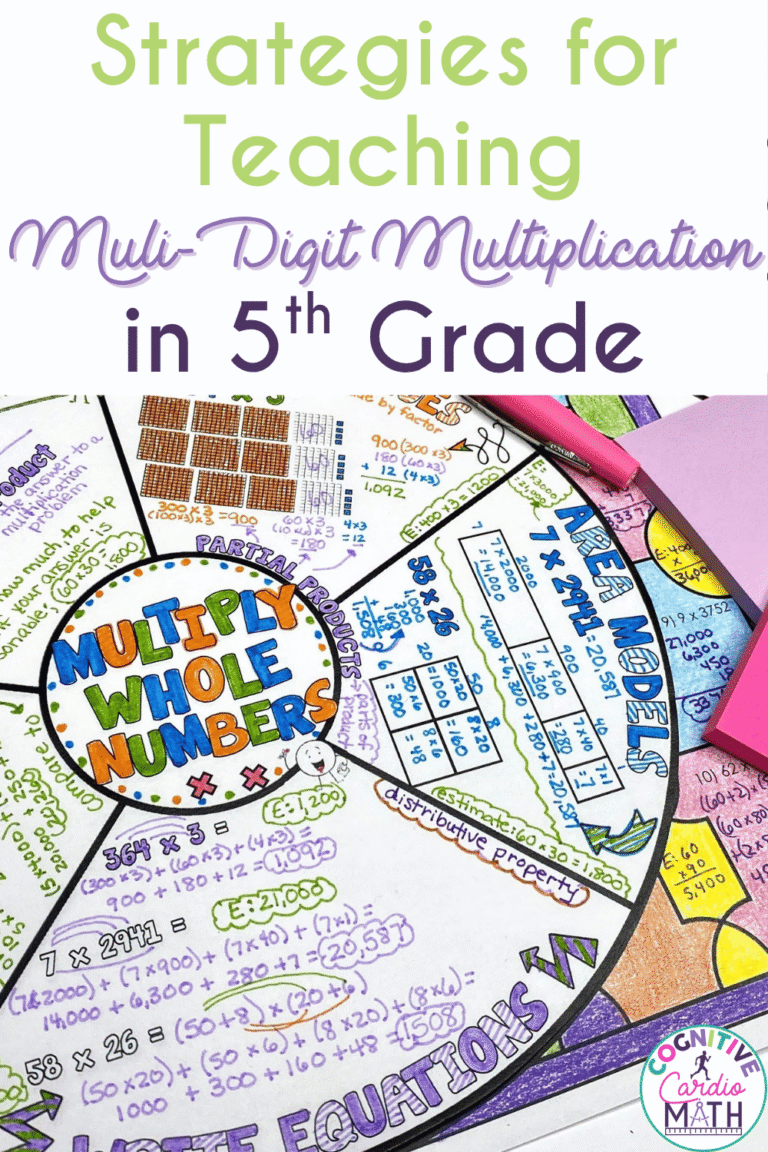
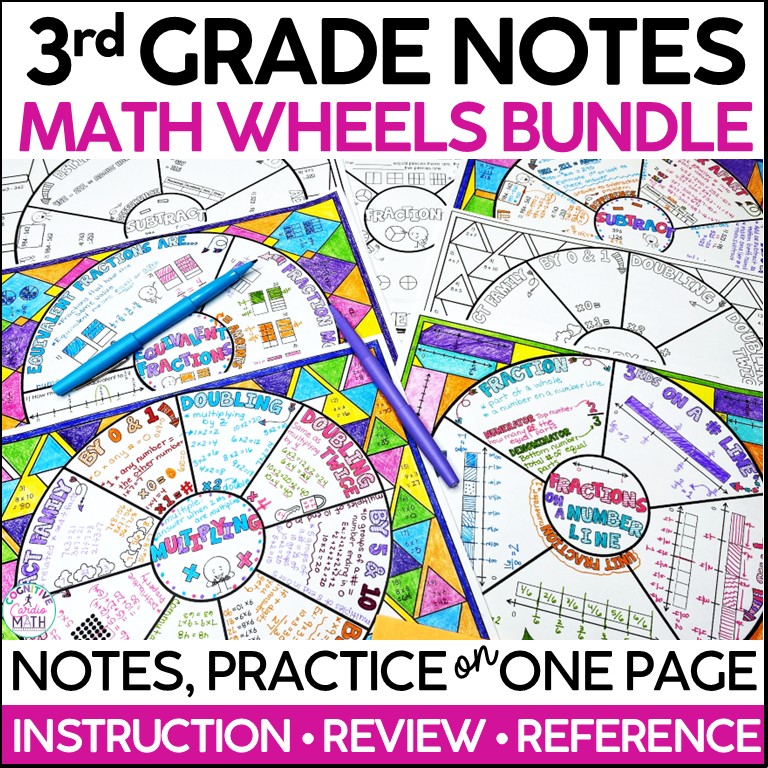
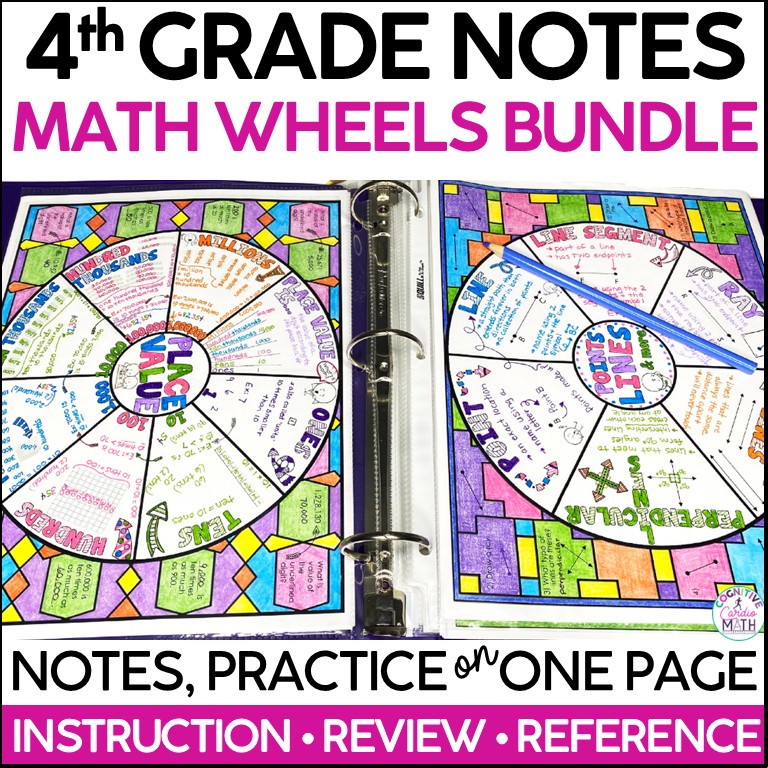
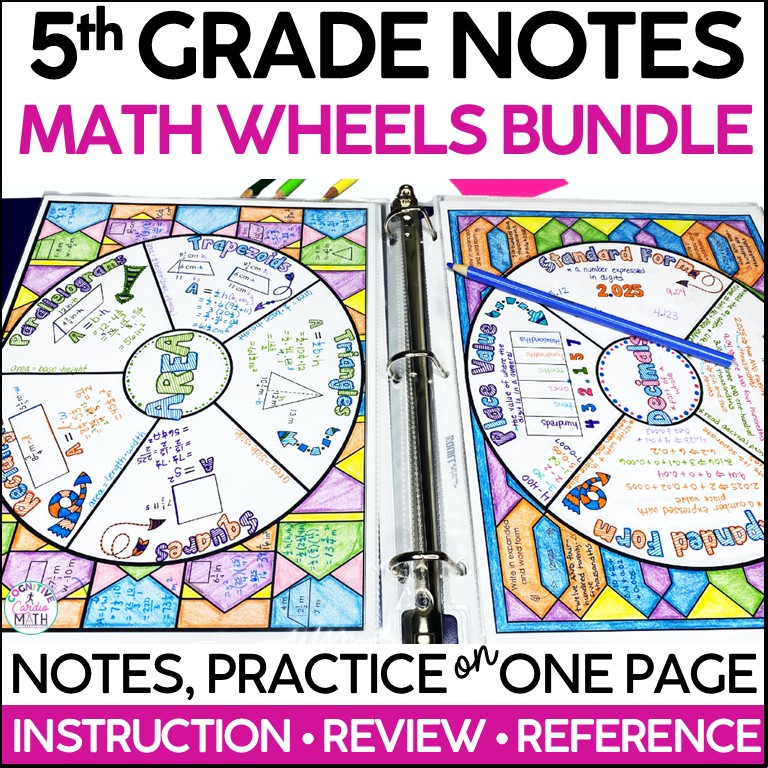
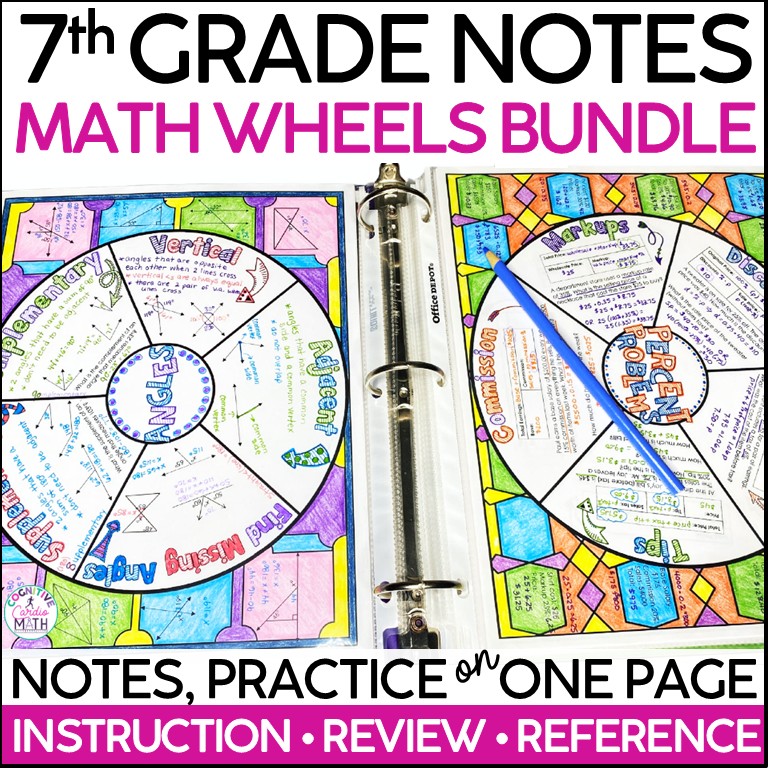
One of my favorite tools for teaching circles is the Circles Math Wheel. If you’re not familiar with math wheels, they’re a structured but creative way for your students to organize their notes. Instead of flipping through a notebook and trying to find definitions and formulas scattered everywhere, your students have everything about circles in one neat, interactive page.
The Circles Math Wheel has sections dedicated to pi, radius, diameter, circumference, and area. Each section includes space for definitions, examples, and practice problems. The best part is that there are different versions to fit your students’ needs. There is an “open” version for complete note-taking, a fill-in-the-blank version for guided support, and even a pre-filled option for your students who might have been absent or need extra scaffolding. This flexibility makes it easy to meet your students where they are.
Another benefit of the wheel is its creativity factor. Your students have the chance to color and doodle as they work. This not only makes the wheel more engaging but also taps into that stress-relief element of coloring and memory retention. It’s a graphic organizer that your students can keep in their notebooks for safekeeping. They can refer back to it when solving problems, and even use it as a study guide before tests.
Methods for Teaching Circle Concepts

When it comes to teaching circles, I’ve found that variety is key. You want to start with the basics by introducing circle vocabulary. Have your students physically draw circles, label radius and diameter, and use a string to measure circumference. These tactile experiences help concepts click before formulas even come into play. Once your students understand the vocabulary, then you can layer in the “why” behind the formulas for circumference and area.
The Circles Math Wheel supports this process really well. As you introduce each concept, your students can add notes, examples, or formulas to the corresponding section of the wheel. For example, when teaching circumference, show both formulas (C = 2πr and C = πd). Then, have your students work through sample problems right on the wheel. That way, they aren’t just copying notes. They’re actively applying what they’ve learned.
I also recommend mixing in games and activities. Circle scavenger hunts around the classroom, digital task cards, or even Pi Day celebrations can bring energy into your geometry lessons. The key is to keep your students engaged while reinforcing vocabulary and formulas. With the math wheel as their anchor, your students have a reliable resource to connect all these fun activities back to their core understanding of circles.
Activities to Reinforce Circles

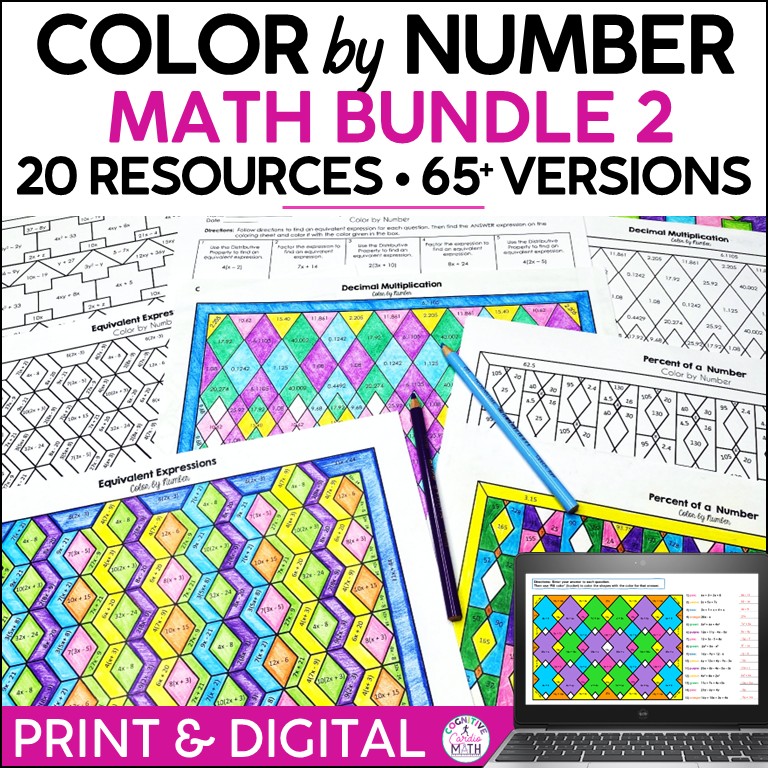
Once your students have a grasp of circle concepts, it’s time to put their knowledge into action. Task cards with area and circumference problems are great for partner practice or stations. Color-by-number activities with circle problems can make review days more fun while still providing solid practice.
Another favorite activity is having your students measure real-world objects shaped like circles. You can use anything from bottle caps to hula hoops. They can measure diameters, calculate circumferences, and even estimate areas. This kind of real-world application helps them see that circles are everywhere in daily life.
Pi Day opens the door for even more activities. From circle-themed games to edible math with pies and cookies, it’s a perfect time to celebrate and practice. Pair these activities with the Circles Math Wheel so that your students not only enjoy the experience but also keep reinforcing their circle knowledge.
Looking for More Resources?
If you’re ready to take your lessons to the next level, I’ve put together a whole collection of resources that cover everything from notes and guided practice to games and even Pi Day fun. These activities make it easy to teach area and circumference while keeping your students engaged with coloring, interactive notes, and problem-solving challenges.
The best part is that you don’t have to reinvent the wheel (pun intended!). Each resource is designed to save you time while giving your students meaningful practice. Check out the bundle of resources for Circles now!

Make Your Math Unit Engaging
Circles are a cornerstone of geometry. With the right mix of tools and activities, they can be one of the most engaging topics you teach. The Circles Math Wheel gives your students a structured yet creative way to take notes. Your teaching methods and activities will bring the concepts to life.
Whether it’s exploring vocabulary, solving for area and circumference, or celebrating with a Pi Day activity, your goal is the same. You want to help your students build a deep, confident understanding of circles. When your students leave your classroom with both knowledge and excitement about geometry, you know you’ve made circles meaningful.
Save for Later
If you’re excited to try out some of these tips and activities for teaching circles, save this post to your favorite teaching board so you can come back to it when you’re planning your lessons. That way, you’ll have circle activities, methods, and the Circles Math Wheel ready to go whenever your geometry unit comes around.