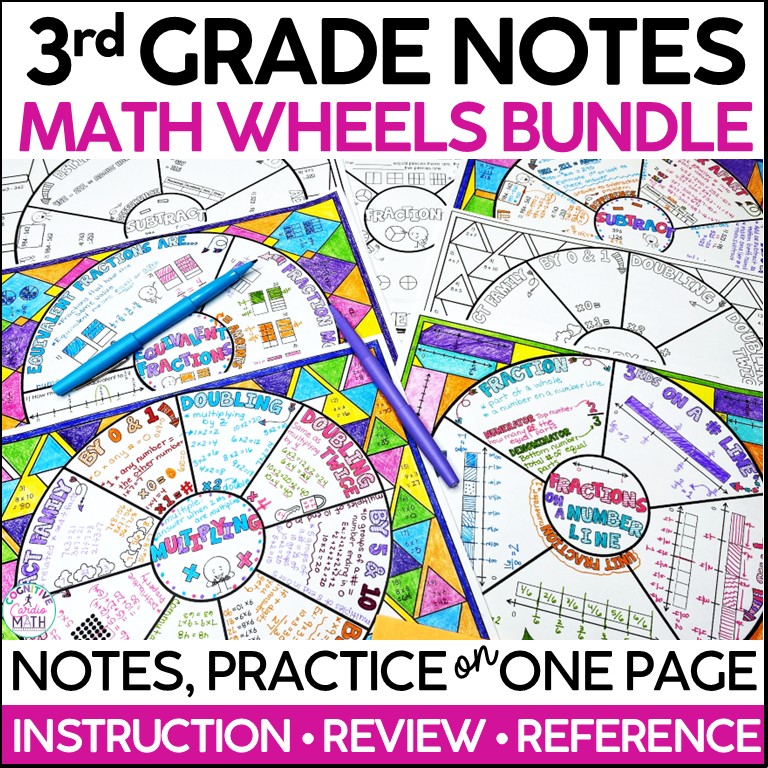
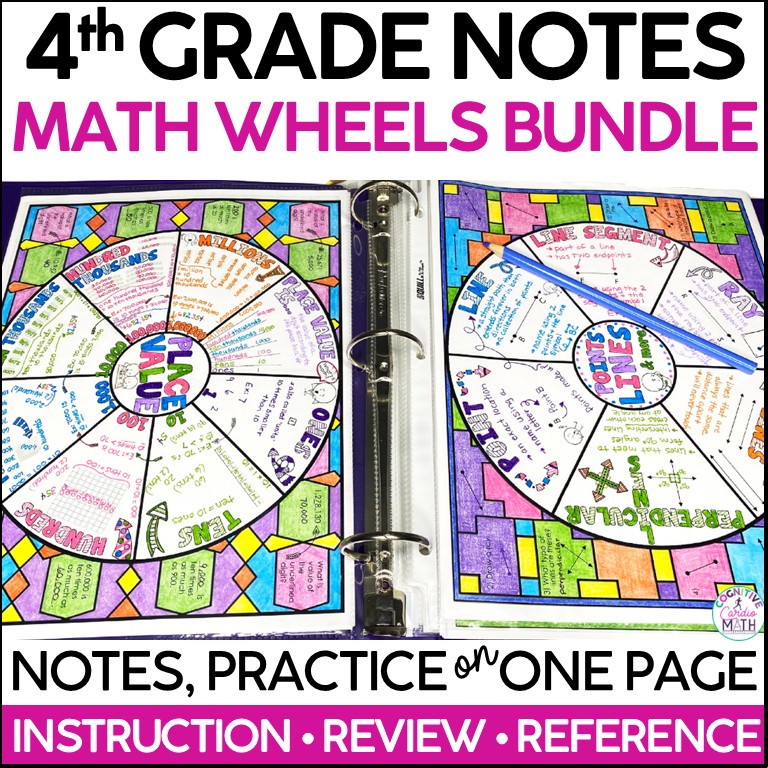
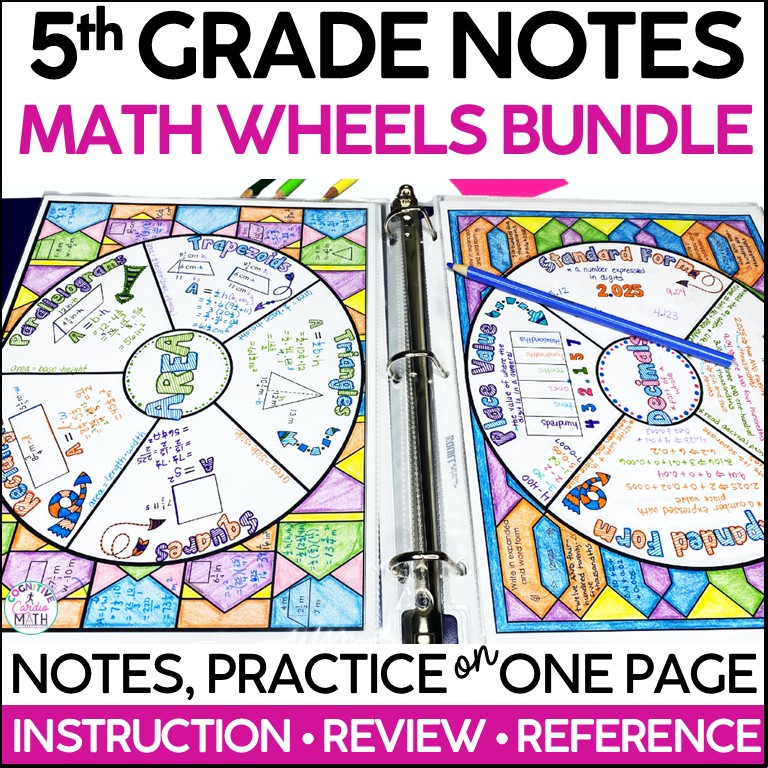
Teaching middle school math can feel like juggling flaming bowling pins while standing on a moving skateboard. You are planning lessons for multiple periods (and maybe multiple subjects), differentiating for students who range from “I finished early” to “I still have no idea what integers are,” grading what feels like a mountain of assignments, and squeezing in reteach time whenever you can. By the end of the week, your brain is ready for a nap on your desk.
With all that on your plate, it is fair to say that not every activity can require prep, setup, or a grand Pinterest moment. Sometimes you need something you can grab, print, and hand to students that still feels meaningful and academic. That is where no prep math activities earn their place in your classroom. They are not a shortcut; they are practicality with a purpose.
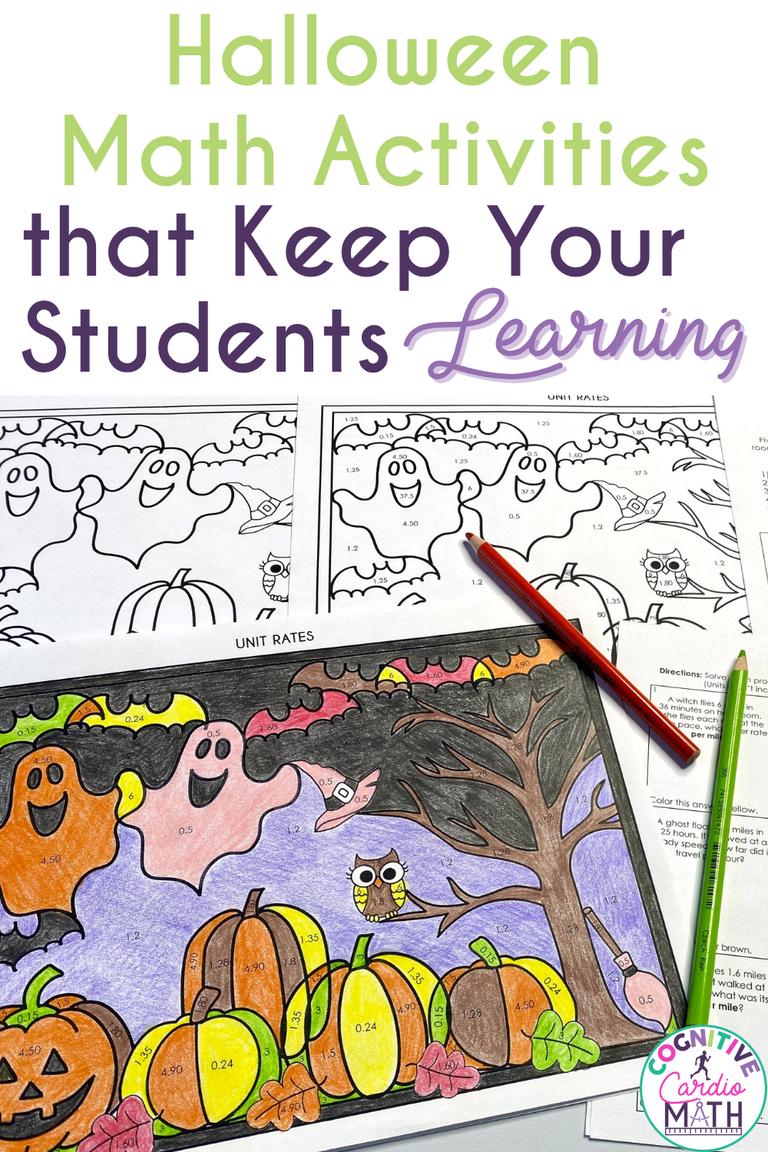
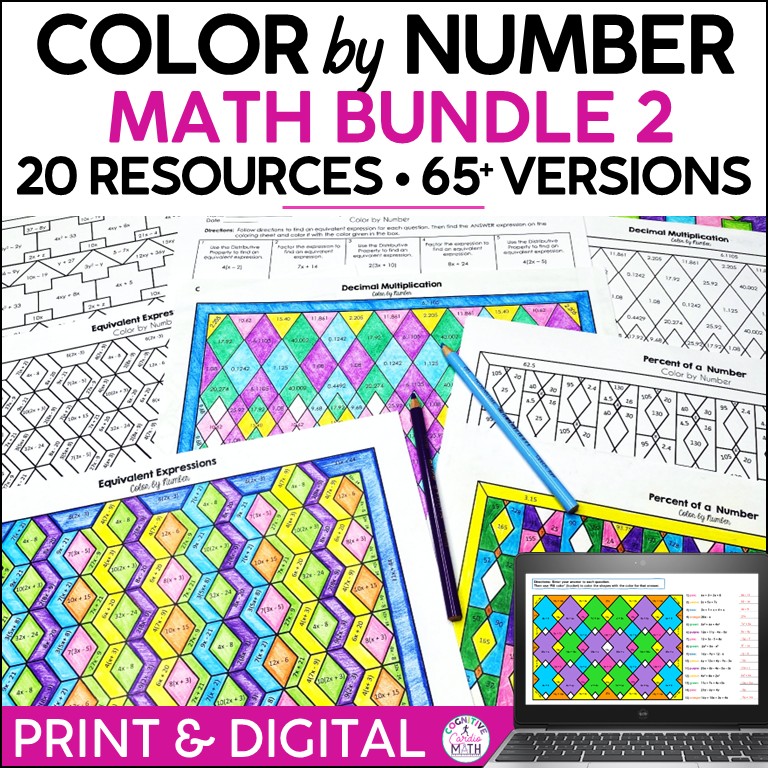
Color by number math pages quickly became one of my favorite no prep tools. They take zero effort to get ready, students know exactly what to do once you have explained the format once, and the math stays front and center. Whether you are teaching integers, fractions, or equations, your students get targeted practice without adding even more to your to do list.
Let’s take a look at how color by number fits beautifully into a busy middle school math classroom and the many reasons why it is at the top of my list of no-prep math activities.
1. Simple to Prep and Easy to Use

Color by number activities shine because they are uncomplicated from start to finish. Print the page or assign the digital version, and your work is done. There is no sorting cards, cutting pieces, or writing pop- culture-connected word problems to grab students’ attention. Just solid skills practice with a creative twist that keeps kids engaged and learning.
Students also catch on quickly. Once you teach the routine, they can work independently without needing to check in with you repeatedly. The directions always feel familiar, even when the math topic changes. That consistency saves time and protects your sanity.
2. Strong Independent Work for Middle Schoolers

Middle school students want independence, but they still need structure. Color by number gives them both. Each problem has one correct answer, which leads them to a specific section on the picture. If the answer isn’t on the page, they know something is off. That built-in feedback encourages students to slow down, check their work, and correct mistakes before turning something in.
This is especially helpful at a math center or station. You are free to pull a small group for extra practice with solving equations while the rest of the class works quietly and confidently. You can scan the room and see at a glance who is getting the right answers based on the way their picture is taking shape.
3. Ideal for Classroom Management

One of the biggest benefits of using color by number as a no-prep math activity is how manageable it all feels. Let’s be honest. Middle schoolers can take a two-minute transition and turn it into a full-blown social event. With color by number activities, your students can quickly begin working. They understand the routine, which reduces questions and off-task behavior. That clarity makes center rotations or independent practice time smoother and more predictable.
At the beginning of the year, I found it helpful to model expectations. Showing your students how to solve a problem, where to show their work, how to find the matching answer, and color neatly sets them up for success. Once they understand the process, the center requires very little oversight.
Color by number activities also work well as a quiet assignment. Since your students are focused on individual work, noise levels stay low. That makes it much easier to meet with small groups or provide targeted support without constant interruptions.
4. Accountability Without Grading Every Problem

Independent work only works if our students are held accountable. With traditional worksheets, it’s often hard to tell who rushed through and who truly understood the concept. You do not have time to check thirty papers problem by problem every single day. Color by number lets you assess student understanding quickly.
If a student’s picture looks completely mismatched, it’s a red flag that something needs attention. If most of the picture lines up, you know they understood the skill, but may have made a small slip. This makes checking work faster and more efficient. You can quickly identify patterns of errors and decide whether a quick reteach or small group is needed. It’s a no-prep math solution that still gives meaningful insight into student understanding.
When a student’s picture doesn’t look right, it’s an immediate signal that something went wrong. Students are often the first to notice their own errors. Middle schoolers love figuring out where they went wrong if it means the picture turns out the way it is supposed to. That little spark of motivation saves you time and helps develop a habit of self-correction.
5. Perfect for Spiral Review
Middle school math covers a lot of territory. Fractions. Decimals. Integer operations. Order of operations. Equations. Geometry. If you taught a concept in September, you better believe students will not remember it in February unless you keep bringing it back.

Color by number makes that rotation easy because the format stays the same while the math changes. Your students will already know what to do, so there is no need to re-teach procedures. You can assign order of operations one week, multiplication or decimals the next, and fractions after that. Students feel confident because the format stays predictable, even though the math skills shift. But they stay engaged without feeling like they are doing the same thing over and over again.
Since these activities are quick to assign, it’s easy to swap them out based on what your students need the most. That flexibility makes color by number an impactful option for ongoing review and reinforcement.
6. Differentiation Without Drawing Attention to Differences
Differentiation gets tricky in middle school. Students don’t want to feel singled out or flagged as the one who needs “the easy version.” Color by number solves this quietly.

Provide different versions covering the same skill at slightly different levels. Every student completes the same style of activity, just with work that meets them where they are. Your students will complete similar activities, which will help maintain a sense of community and fairness. No one feels singled out, even though the math varies slightly to meet individual needs.
Digital versions add another layer of flexibility. Your students can type answers and color digitally. This is helpful for classrooms using devices regularly or for your students who prefer a paperless option.
7. Why No Prep Math Is a Lifesaver During Busy Weeks
Let’s be real for a minute. . . even the best laid plans can fall apart at a moment’s notice. Maybe an assembly cuts your class in half. Maybe there is a sub shortage and you get surprise students in your room. Maybe you’re working on half the brain power after caring for a sick child all night. Whatever it is, having an easy way to pivot at the last minute without sacrificing the quality of your lesson or your students’ practice is key.

Having color by number ready to go means you do not have to scramble. Students stay academically on task, you keep your sanity intact, and learning does not stall just because the day turned upside down.
Testing weeks and unpredictable schedules are when no-prep math activities matter the most. On days when plans change at the last minute, having something academic ready to go reduces stress significantly. Color by number activities allow your students to work independently while you handle testing logistics or pull small groups.
The work still feels meaningful and purposeful, not like filler. Having a set of these activities printed or saved digitally provides peace of mind. Even when the day doesn’t go as planned, learning continues in a structured, calm way.
A Simple No Prep Math Solution That Just Works

I hope you can see from all the benefits above that color by number activities don’t land at the top of my no- prep activities list for no reason. They really are a wonderful activity to have in your back pocket. At the end of the day, no-prep math activities aren’t about cutting corners. They’re about working smarter in a classroom that’s constantly pulling you in different directions. Color by number math activities give you a dependable option you can turn to again and again. Your students are practicing important skills while staying focused and accountable.
Using no-prep math activities, like color by number, is not cheating. It’s being realistic as a middle school teacher with too much to do and too little time. Color by number activities offer true skill practice, strong accountability, and a peaceful classroom environment. They are a tool you can lean on without guilt.
Give yourself permission to work smarter, protect your energy, and still provide meaningful learning for your students.
Add These No Prep Math Activities to Your Teacher Toolbox

If you’re looking for a reliable no-prep math activity that works throughout the year, color by number activities are worth adding to your toolbox. They’re easy to prepare, simple to manage, and encourage your students to take ownership of their learning.
If this sounds like something your students would enjoy, grab my Color by Number math resources. They cover a wide range of topics from multiplication to decimals to order of operations and more. They also include multiple versions for differentiation and come with both print and digital options.
I designed these resources for you to save time while giving your students meaningful, independent practice. They’re the kind of activity you can rely on when you need something that just works.
Save for Later
If this post gave you ideas you want to try, save it to your favorite Pinterest board so you can come back to it when you’re planning centers or looking for no-prep math activities that keep your students engaged and learning.